Two years of genocide have left us ravaged, but our hope for Gaza will never be stifled
Israel’s war of extermination has spared nothing and no one, but still we cling to the hope that we will rebuild Gaza stone by stone and plant new life among its ruins
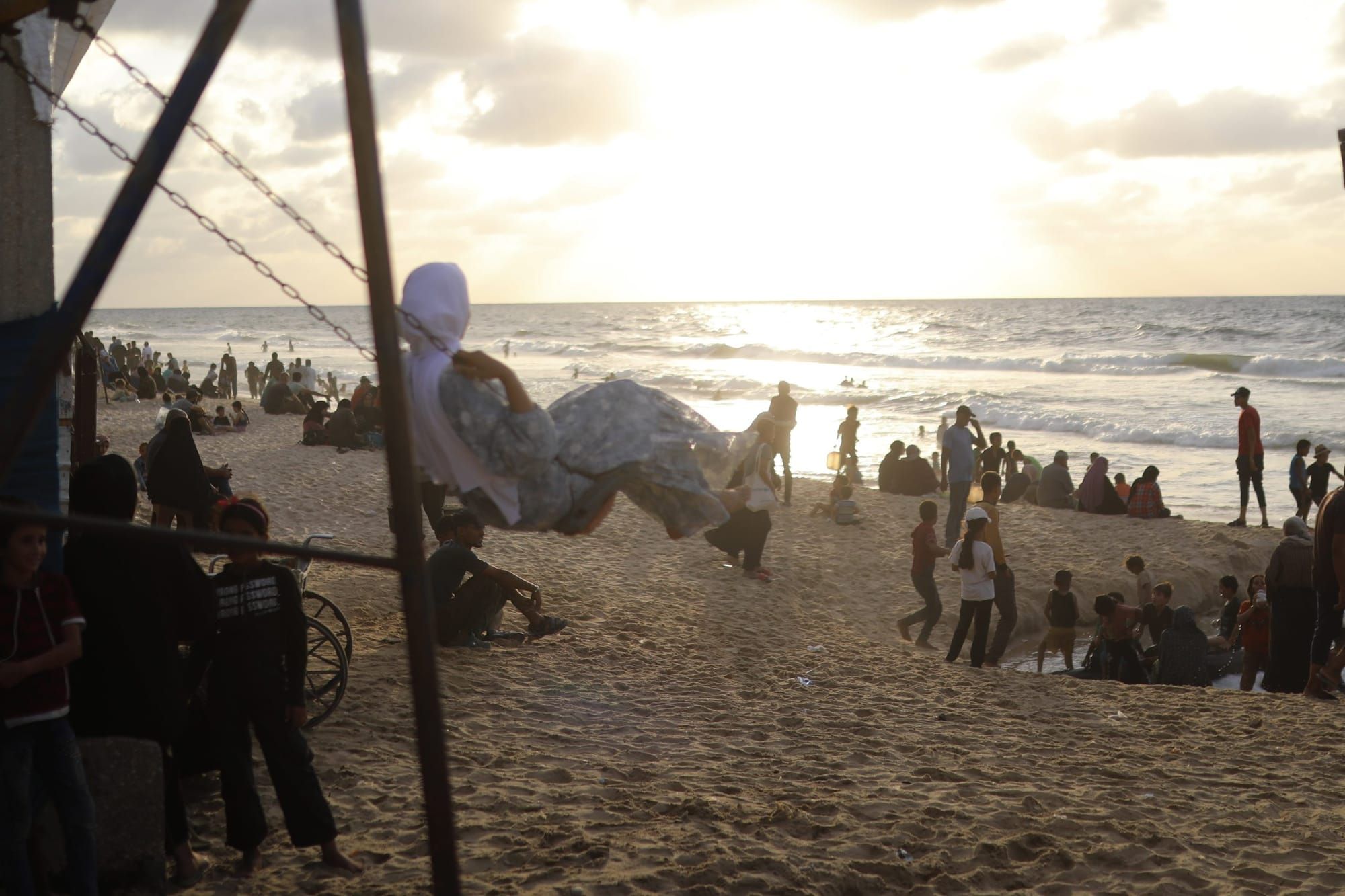
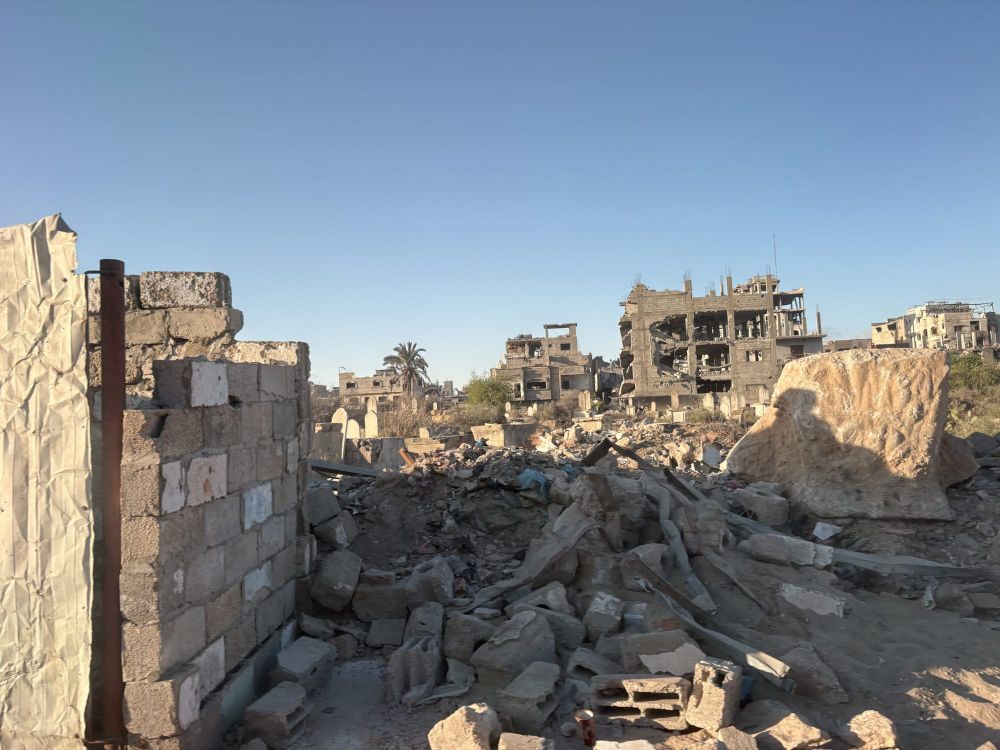
Two years have passed since Israel launched its genocide on Gaza—two years that have felt like two centuries of pain and loss. In this time, we have lost loved ones, homes, dreams, and even the ability to be shocked by death.
Two years of an Israeli war of extermination that spared nothing and no one, erasing entire families from the records of life.
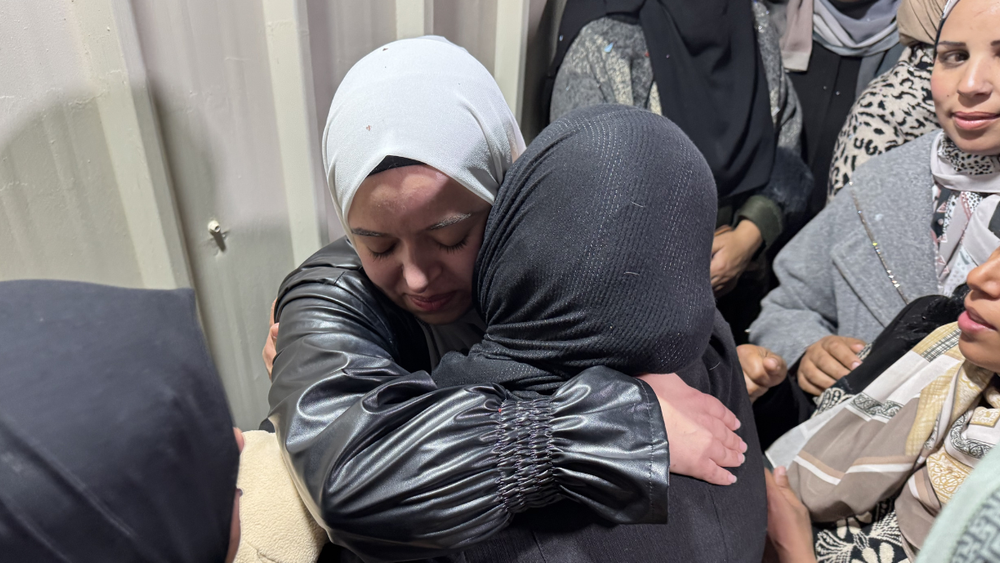
Among the lives extinguished were those in my family, the Eid family, which lost its most beautiful sons in a series of brutal crimes. Their names were erased from the rolls of the living, surviving only in the memories of those who remain.
Amid the devastation and war, I received the news that my father had been diagnosed with cancer. It was not just the illness that brought pain, but the helplessness in facing it without access to proper treatment or medication. To this day, my father continues to suffer from the lack of essential doses needed to keep his condition stable. I watched him endure the pain in silence, trying hard to smile so as not to deepen our sorrow, while we struggled to secure what little medicine remained at an unbearable cost.
My mother, the kind woman who has carried us on her shoulders throughout her life, has been exhausted by the war. Her fragile heart could not endure the scenes of displacement, bombing, and loss, and today she suffers from heart pain. She urgently needs surgery, but like thousands of patients in Gaza, she cannot find the necessary medication or treatment. All we have are prayers, patience, and a faint hope that protects us from total collapse.
Since the beginning of the genocide, we have been displaced three times. Each time, we left our home with whatever belongings we could carry, our hearts heavy with the losses from the previous displacement. Displacement was not just a move from one place to another, but a repeated uprooting. In the end, we settled in Al-Mawasi near Khan Younis, trying to protect what remains of us and our dreams.
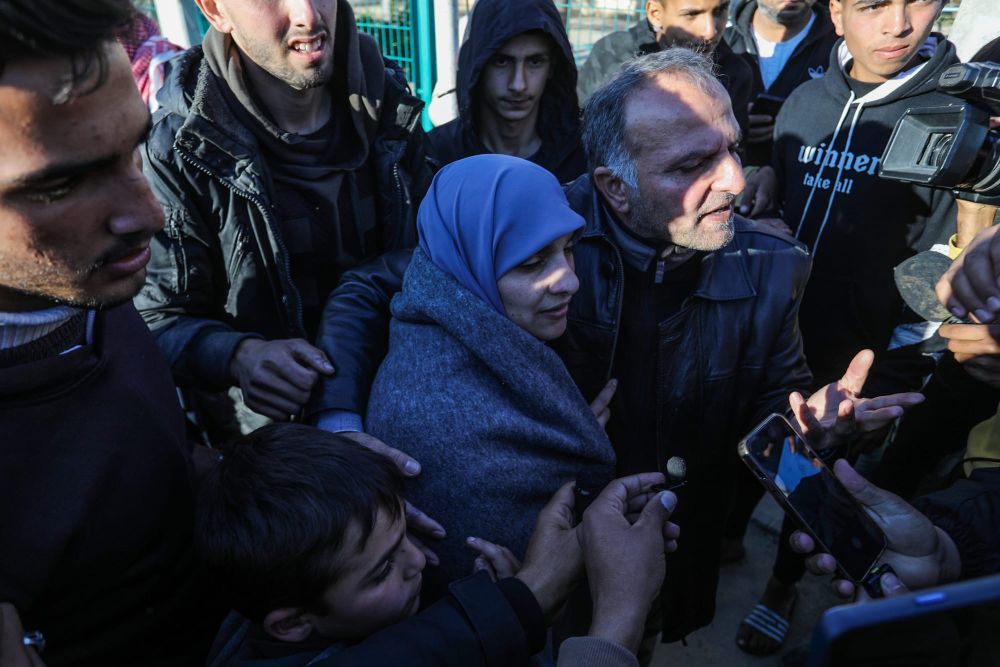
During the two years of war, we also lost many journalist colleagues whom we loved, those who filled our screens with their images and words, and the field with their courage and laughter that eased the burden of our work. We used to see them every day, and now only their photos remain on our phones, reminding us that in Gaza, words are written in blood.
Throughout this pain, we have been overwhelmed by an unprecedented famine. We no longer dream of the foods we loved, but of a piece of bread to satisfy our hunger. We stand in long lines for a bag of flour or a liter of clean drinking water. Hunger is a constant, along with weakening bodies and weary spirits.
It is not only the famine that exhausts us, but also the harsh psychological effects that this genocide left on us. We are a people living through scenes of death and destruction moment by moment. We see the remains of bodies before our eyes, smell the stench of blood, and hear the screams of children under the rubble. We try to hold ourselves together to carry on, but inside, many things are breaking down beyond repair.
Fear, terror, and anxiety are part of our daily lives. The sounds of nearby explosions deafen us, and sometimes we temporarily lose our hearing from their intensity. The fiery belt that wraps Gaza’s sky at night has become a familiar sight despite its horror, and the houses collapsing next to us repeatedly remind us that we are only temporary survivors.
In the displacement camps, we are living through a slow biological genocide. There is no clean water, no personal hygiene products, and no disinfectants. Children and women suffer from persistent skin diseases and infections, while Israel continues to restrict the entry of essential supplies needed to maintain a minimum standard of dignified living. When small quantities do enter, they come at exorbitant prices that not everyone can afford. Maintaining health here has become yet another battle added to our daily struggles.
Now, after two years of ongoing genocide and despite every attempt to adapt to the reality of war, life in the displacement tents has become unbearable. There is limited water, no electricity, and no basic necessities for a dignified life. The night turns into a harsh test as the cold winds of autumn begin to set in, and the day becomes exhausting, starting with the search for food, water, or a chance to bathe. Children are growing up too soon, and women carry the burden of survival alone, while everyone struggles to hold on to what remains of their humanity amid the complete collapse of all aspects of life.
Despite all this pain, hope still lives within us, a small yet stubborn hope that refuses to be erased like our streets were erased. We cling to it every morning as we carry a camera, a pen, or a loaf of bread, believing that telling the truth is a form of resistance. We will continue reporting from the heart of the rubble, and we will return to the Gaza we love, to rebuild it stone by stone and plant new life among its ruins.
Gaza, despite its devastation, remains the most beautiful place on earth. Beautiful in the hearts of its people, the laughter of its children, and the patience of its women.
Editorial Team:
Sahar Fatima, Lead Editor
Carolyn Copeland, Top Editor
Rashmee Kumar, Copy Editor
Author
Shaimaa Eid is a Palestinian journalist from the Gaza Strip. She specializes in covering news and field reports, with a particular focus on human-interest stories that reflect the suffering of people
Sign up for Prism newsletters.
Stay up to date with curated collection of our top stories.