Healing through fitness: How going to the gym helped me learn to live again in Gaza
Many Palestinians have turned to the gym to rebuild their physical and mental strength and find community along the way
Real journalists wrote and edited this (not AI)—independent, community-driven journalism survives because you back it. Donate to sustain Prism’s mission and the humans behind it.
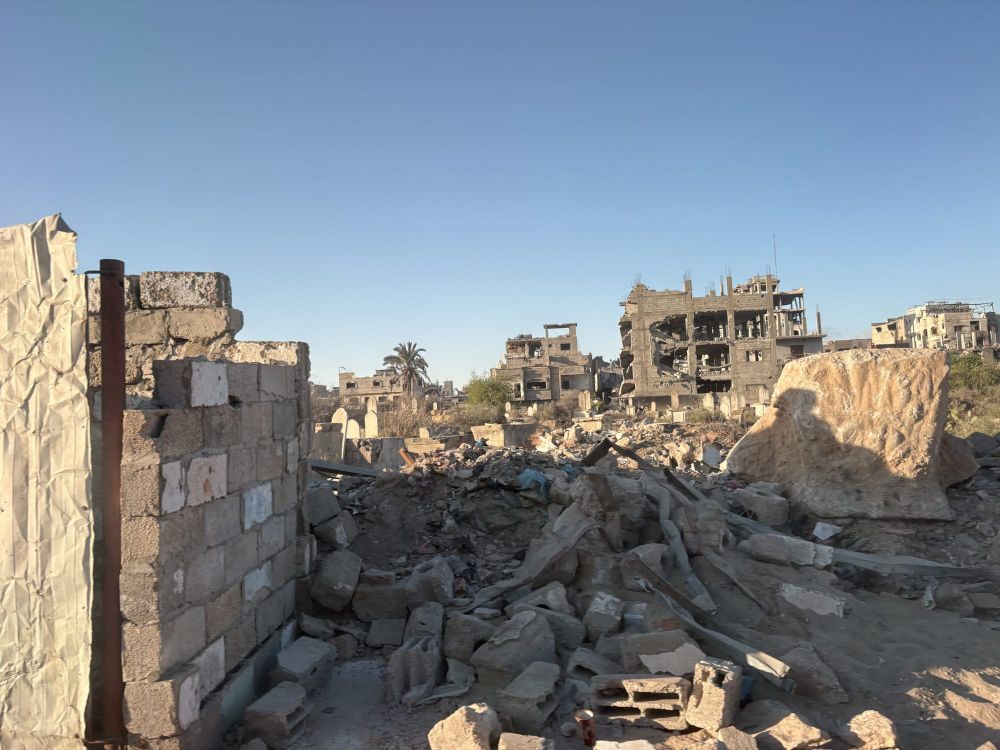
Throughout more than two years of genocide in Gaza, the hardest months were not only the days of bombing, but also the famine. We survived on canned food and then even that disappeared, along with bread. Some days, we barely managed to eat anything at all. We lived on water, crumbs, and whatever little we could find.
During that time, my body slowly started to collapse. I was constantly dizzy, even while sitting. Simple tasks like cleaning the house, standing up, or moving for a short time made me feel faint. My body felt empty and vulnerable, unable to carry me through the day.
I lost a lot of weight, and my face became noticeably thinner. My hair started falling out, my nails broke easily, and my health deteriorated. Hunger stripped us of our strength and appearance.
When the ceasefire began in October, food became slightly more available. Still, my body did not recover, and neither did my mental health.
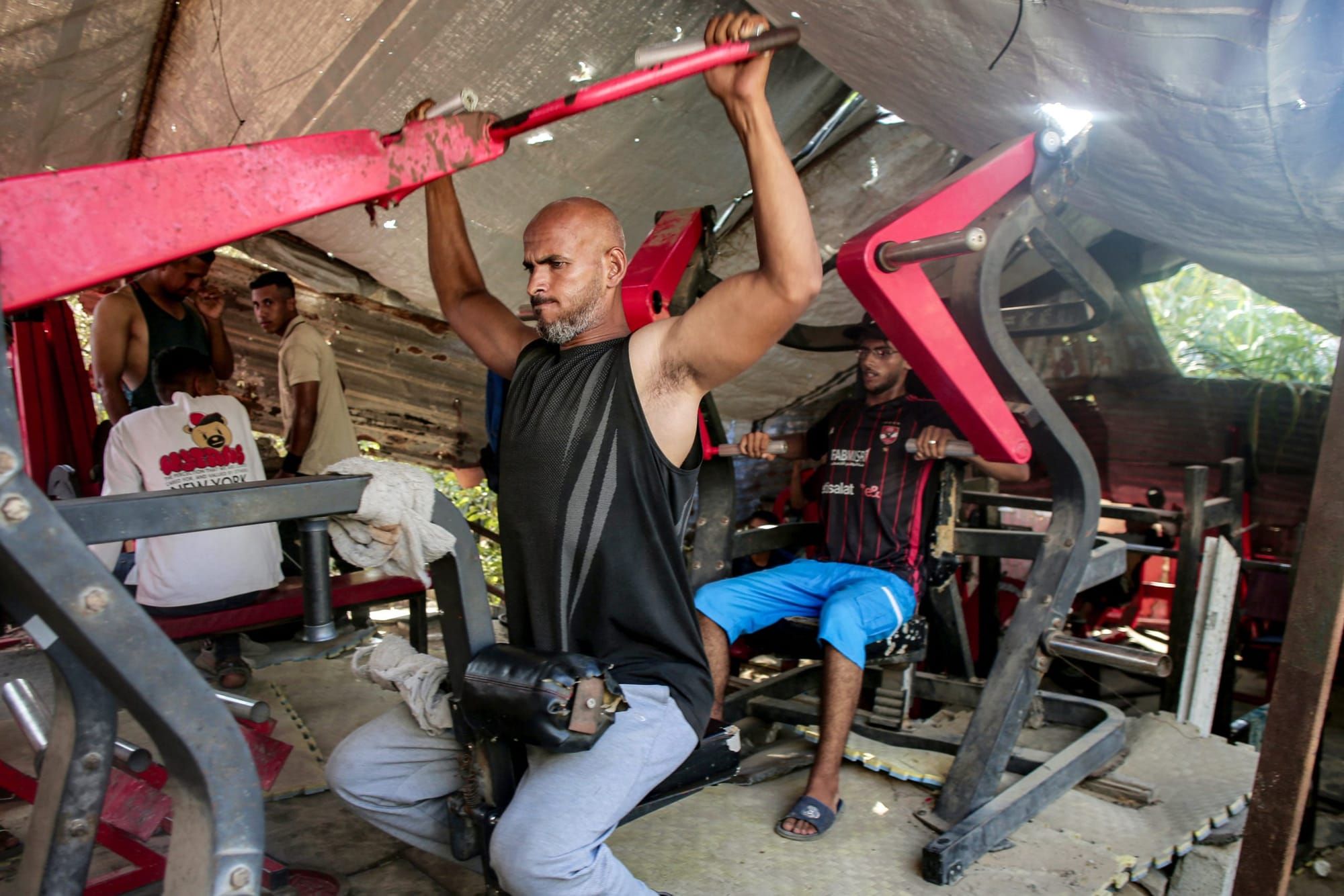
One day, while walking down the street, I noticed a building with a sign that read “Empire Gym.” I stopped and stared at it for a moment. Why not try, I thought, and walked inside.
I had expected the gym to be almost empty. Instead, I was shocked to see it so crowded that people were divided into different time slots because not everyone could train at the same time.
In Gaza, going to the gym has become more than a pursuit of aesthetics or physical fitness. For many of us, it has turned into an act of healing, a way to rebuild what genocide, hunger, and loss have taken from our bodies and minds. After months of destruction and emotional exhaustion, people began searching for something that could help them stand again.
According to reports by humanitarian and health organizations, more than half of Gaza’s population continues to suffer from food insecurity and malnutrition following the war. Women and young people have been among the most affected, with many experiencing severe fatigue, weight loss, and mental health struggles that limit their ability to perform daily tasks.
The war had ended, but it had not ended inside me. I realized I needed to do something not just to survive, but to regain myself.
Psychologically, I was exhausted from seeing the destruction and suffering of my people that would never end. Even now, I feel miserable for the lives we live while the world moves on after a ceasefire deal that Israel keeps violating. But I just couldn’t go through life as I used to; I couldn’t focus, I couldn’t study. I felt depressed, disconnected, and unable to move forward. The war had ended, but it had not ended inside me. I realized I needed to do something not just to survive, but to regain myself.
Seeing so many people choosing to be at the gym that day encouraged me. I wasn’t alone in trying to rebuild myself.
The first week was difficult. My body was still weak, and everything felt heavy. But slowly, something began to change. I started to feel more energy during the day. My mind felt clearer. Going to the gym gave me a sense of structure and purpose. It helped me clear my head, focus better, and slowly return to my studies. I also began paying closer attention to what I ate to help my body recover. I started searching for whatever sources of protein and nutrition I could find, anything that could compensate for what the famine had taken from me.
Scientific research shows that regular exercise can reduce symptoms of anxiety and depression and boost energy and cardiovascular health, especially when combined with a healthy diet. This is exactly what I noticed. After a month of commitment, I felt real change. I gained 3 kilograms. My mood improved, and I became more social. I met many new people at the gym, and I was surprised by how similar their stories were to mine. Almost everyone there had lived through loss, grief, weakness, and trauma. They weren’t there to sculpt perfect bodies. They were there to fix what the war had left behind in them.
Shahd Al-Hanafi, 20, began working out at the gym about nine months ago. “I was living through one of the worst periods of my life,” she said.
During the war, her brother’s house was bombed, killing his two children, his wife, and her entire family. Not long after, Al-Hanafi also lost a cousin she was very close to. The losses changed her as a person.
“Everything felt overwhelming,” she said. “The war, the hunger, the stress, the loss. I didn’t know what would happen next, or how life would continue.”
Looking for a way to escape the emotional suffocation, Al-Hanafi decided to try the gym.
“I just wanted to breathe,” she explained. “I told myself, ‘Maybe if I take care of my mental and physical health, it can help me survive this.’”
The results after only the first month shocked her. The gym became a space to release emotions she had been carrying for too long.
“My life started to feel organized again,” Al-Hanafi said. “Things became lighter. I started to know how to deal with the problems I had in my life. ”
Stepping outside to go to the gym also ended the period of isolation she’d been suffering despite being a naturally outgoing person.
“My mental health improved so much,” Al-Hanafi said. “My physical health followed.”
Behind this collective attempt to heal are people who carry others while carrying their own pain.
Alaa Alhaj, 30, has been a guiding force for many of us in Gaza. She is a certified fitness trainer with extensive experience in physical and mental health, nutrition, and rehabilitation. Her approach is unique; she doesn’t just focus on building strength or aesthetics, but integrates fun, psychological balance, and well-being into every training session.
“I always try to make training fun,” Alhaj said. “It shouldn’t be boring or repetitive. My goal is to help people move their bodies while also feeling mentally and emotionally balanced.”
During the war, Alhaj and other trainers faced enormous challenges. Gyms were closed, the streets were unsafe, and most people couldn’t leave their homes. After six months, returning to exercise wasn’t easy, but it happened. People were exhausted, malnourished, and emotionally drained. Food scarcity made it difficult for trainees to have enough energy for workouts.
“Some of the girls would come without breakfast or with very little food,” Alhaj recalled. “I remember fainting cases during training because their bodies simply didn’t have the energy to function. It was heartbreaking.”
Despite these challenges, Alhaj kept guiding her trainees. She emphasizes exercises that target both physical and mental health, a mix of aerobics, yoga, and strength training designed to increase energy, relieve stress, and improve mood. She explained that exercise triggers the release of “happiness hormones” like dopamine and endorphins, which help reduce anxiety and depression while boosting self-confidence and mental clarity.
“Even with limited resources, consistent movement can change lives,” Alhaj said.
Gradually, as food became more available and trainees could access healthier meals such as eggs, vegetables, and protein sources, their bodies and minds began to recover. Alhaj witnessed increased energy, improved mood, and better focus among the girls she trained. The combination of proper nutrition and regular exercise created a powerful cycle: better food led to more energy, more exercise, and improved psychological well-being.
The war and famine left deep scars on our bodies and minds, but through movement, proper nutrition, and supportive coaching, we are learning to heal.
For Al-Hanafi, her routine today looks very different from the months of depression earlier in the genocide. She wakes up early, prepares breakfast, trains at the gym, studies, and still has energy to take care of her home.
“I feel active all day,” she said. “I can study, move, clean, cook, and still feel strong. This is something I never imagined during the war.”
To her, the gym was not a luxury; it was a lifeline.
“It didn’t erase what I lost,” she said. “But it helped me live again.”
Editorial Team:
Sahar Fatima, Lead Editor
Carolyn Copeland, Top Editor
Rashmee Kumar, Copy Editor
Author
Esraa Abo Qamar is a writer and English Literature student from Gaza.
Sign up for Prism newsletters.
Stay up to date with curated collection of our top stories.