‘Here, no bombs fall. But hope does’: Palestinians displaced in Egypt long for home in Gaza
Some Palestinians fled to Egypt to escape the genocide, while others were visitors stuck there after Oct. 7. All are now in endless exile
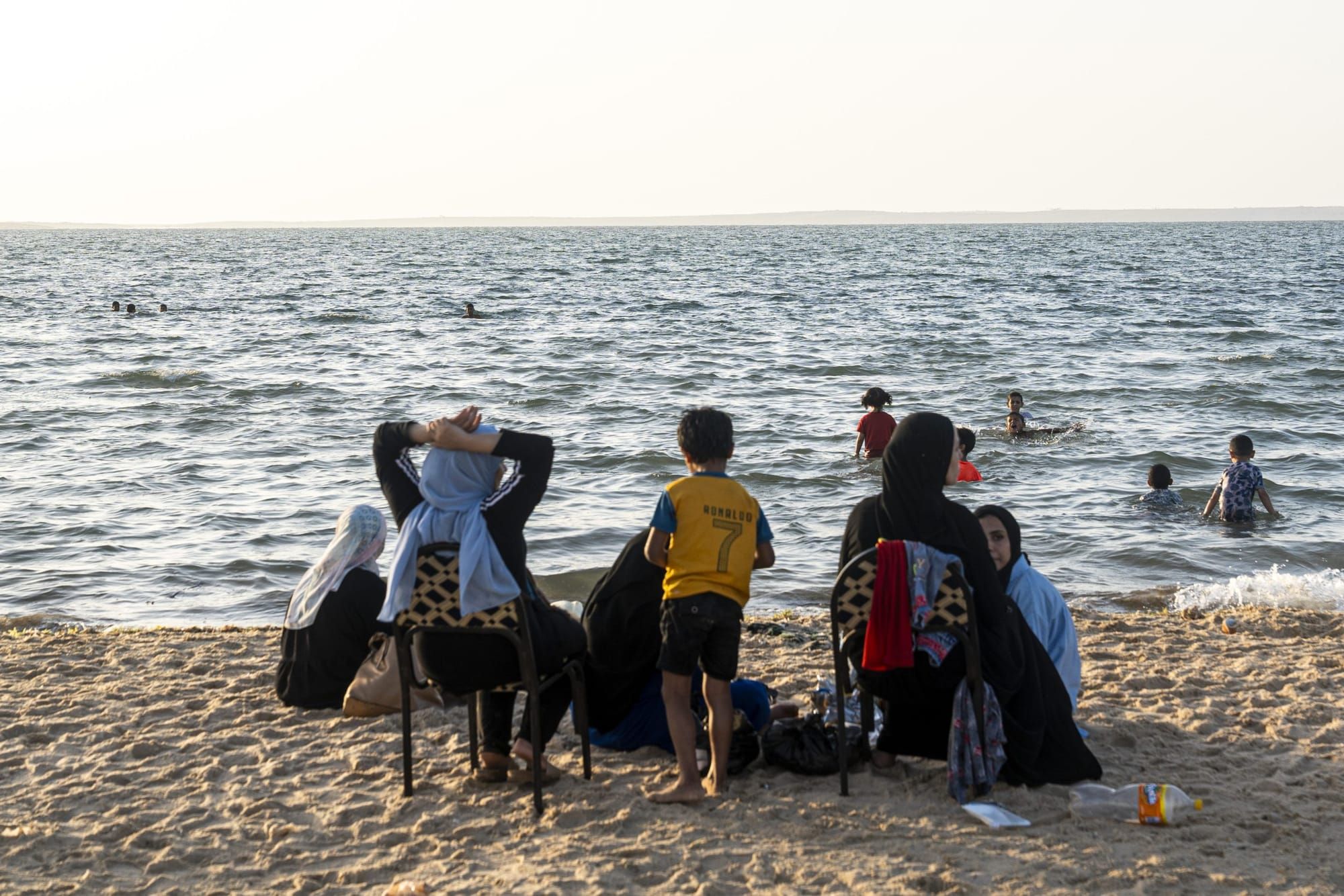
Just weeks before the war in Gaza erupted, I came to Egypt for what I thought would be a brief work trip. I never imagined that those ordinary moments would be the last I’d see of my city, my home, my family—before all the roads closed behind me.
Since that day, everything has changed. I follow the news of the genocide from afar, counting the names of martyrs who were closest to me. Every day is lived between relentless fear for those I left behind and a dizzying sense of being stranded in a foreign land, unsure whether this is a temporary refuge or a home with no future. I miss my family so deeply, it feels like it’s tearing me apart. My life here is frozen, with no hope in sight.
I am here without legal residency, without a clear path forward, living in the relentless stretch of waiting. Each day drags into the next—an unbroken line of anxiety and longing.
I arrived here before the genocide began, but many more Palestinians have found themselves in the same situation since. Roughly 100,000 Palestinians have crossed from Gaza into Egypt since October 2023, according to the Palestinian Embassy in Cairo. Life in Egypt has offered little relief. Without legal residency, these families face constant uncertainty and obstacles that touch every aspect of daily life.
“Everything is frozen. Even the simplest rights are denied,” said one man, who did not want to be named due to his vulnerable status. “Without papers, you don’t exist officially. No school for my children, no proper medical care, no legal work.”
To get a better sense of how Palestinians are faring here in Egypt, I conducted an electronic field survey in August, contacting 100 displaced families through personal connections and Palestinian community groups on WhatsApp and Facebook. Participation was voluntary, and all responses were collected anonymously unless the participant chose to share their name.
Sixty-two percent of those I surveyed rely on relatives for support, 27% live off dwindling savings, and only 11% have found stable work.
Housing is a constant struggle: More than half of the families I connected with said they rent expensive apartments. Many said they live with relatives or friends, and several even share homes with other families.
Fear is everywhere. Most families worry about paying rent and fear losing access to health care, particularly for those with injuries. Still, nearly half are clinging to hopes for temporary stability, while many others dream of moving to a third country.
Life in limbo
The absence of legal residency is not just a bureaucratic barrier—it infiltrates every corner of life. Children struggle to enroll in school. Health care is limited. Job opportunities are mostly informal, often degrading, and constantly shadowed by the fear of deportation.
Waiting dominates life. Hope for a swift return to Gaza clashes with fear of endless war. Many rely solely on the fragile dream of leaving for a third country, but complex legal restrictions make this nearly impossible.
Isolation and dislocation compound the pain, while humanitarian organizations concentrate most resources inside Gaza.
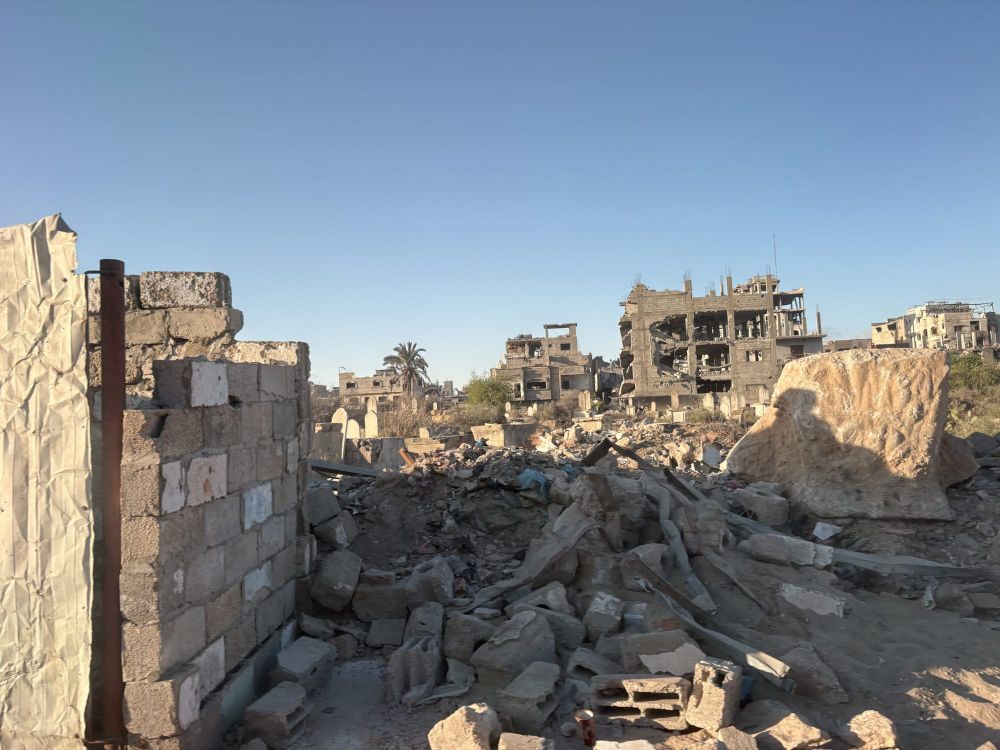
Some Palestinians arrived here carrying plastic bags stuffed with clothes, others with children whose eyes had seen too much for their age. They crossed borders not only of land, but of certainty itself—leaving behind homes turned to rubble, leaving lives suspended in midair.
“I cry every time I talk to my youngest children,” said Umm Faris, 45, who fled Gaza in January 2024 with her sick son in an ambulance, while six other family members remained behind. “I manage to speak to my children when the internet allows, but every time I talk to my youngest, I start crying immediately. … Being away for over a year has broken me.”
Umm Faris has no legal residency, no work, and no support from humanitarian organizations. In Egypt, her only source of income is the money her siblings send from abroad.
Recently, Umm Faris learned that her house was hit in an airstrike, killing three nieces and injuring other family members.
“It was the hardest moment of my life,” she said.
Wounds of body and soul
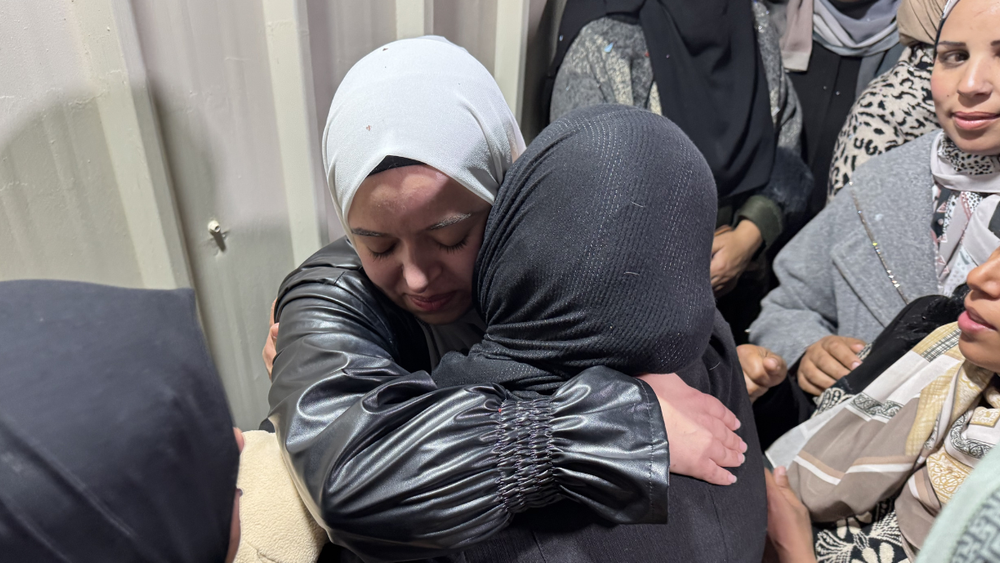
In a modest Cairo hospital, Ola and Noor watched each other closely, making sure they were both safe. The sisters fled Gaza after their family home was bombed, killing their mother and sister in a single strike. Three sisters were injured, but Israeli and Egyptian authorities only allowed two of them to leave.
Their cousin Aisha, who lost her mother in Gaza, stayed close, offering what comfort she can despite her own grief.
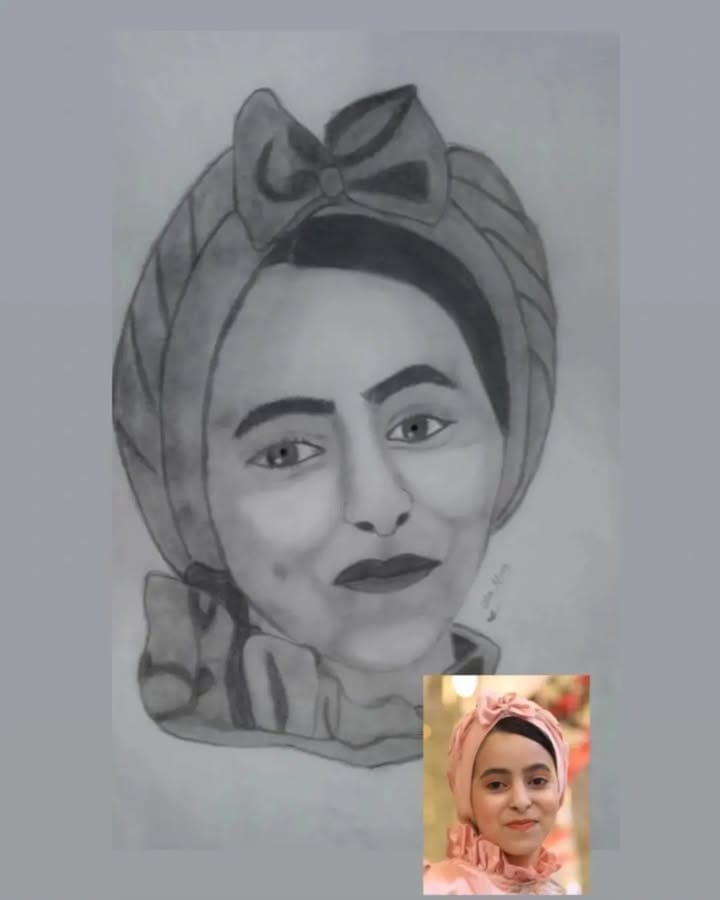
“The hardest part isn’t the injury,” Ola said, “it’s knowing your loved ones suffer more than you do, and you can’t be there.”
Noor added, “Even the faces here feel strange. I look for our accent, for someone who knows me, but there is no one.”
Another Palestinian family told me that they sold everything to escape Gaza, hoping for safety. In Cairo, they opened a small falafel and hummus shop—a taste of home amid exile.
Months later, the shop was shut down, and the family members were detained. Their crime: no legal residency.
“It feels like Gazans are unwanted everywhere—why us?” said the father, who did not want to be named to avoid being targeted again. “We fled the bombing, only to be trapped again. Here, no bombs fall. But hope does.”
In a modest Cairo apartment, a 78-year-old man waited for a call from Gaza. He came for a short visit before the war, but the crossings closed after Oct. 7, 2023, and he has been unable to return home. His daughter’s apartment was destroyed, and three of her daughters were killed. A fourth survived but lost her leg in the attack, while her mother has been bedridden for seven months.
“I cannot eat or drink. My grandchildren are hungry. I fear waking to news that will destroy what is left in my heart,” the man told me. “I wish I were with them, not stuck so far away.”
Silence heavier than bombs
Israel’s communication blackouts throughout Gaza are not just network failures—they are suffocating silences. Outside of Gaza, we wait hours, sometimes days, without any news. Every moment is filled with imagined horrors: Are they alive? Is the house gone? Has someone been hurt?
Waiting becomes a double suffering: the agony of fearing the unknown and the helplessness of being unable to act.
I wake each day checking my phone, bracing for news I do not want to hear. The war has drained me, yet the fear of what comes next never leaves. We cling to memories, to each other, to the belief that Gaza has not vanished.
We hope borders will reopen, rubble cleared, and streets filled with the smell of fresh bread instead of smoke. Until then, survival is all we have—and hope is the thread that holds us together.
Editorial Team:
Sahar Fatima, Lead Editor
Carolyn Copeland, Top Editor
Rashmee Kumar, Copy Editor
Author

Athar Ihab Abu Samra is a Palestinian writer and translator from Gaza, based in Cairo. She highlights the human side of Palestinian life, telling stories of loss, resilience, and everyday struggles.
Sign up for Prism newsletters.
Stay up to date with curated collection of our top stories.