Forced displacement: The never-ending nightmare for Gazans
As bombardment closes in, Gazans face renewed trauma as they choose between staying in their homes under threat or heading to crowded tent cities
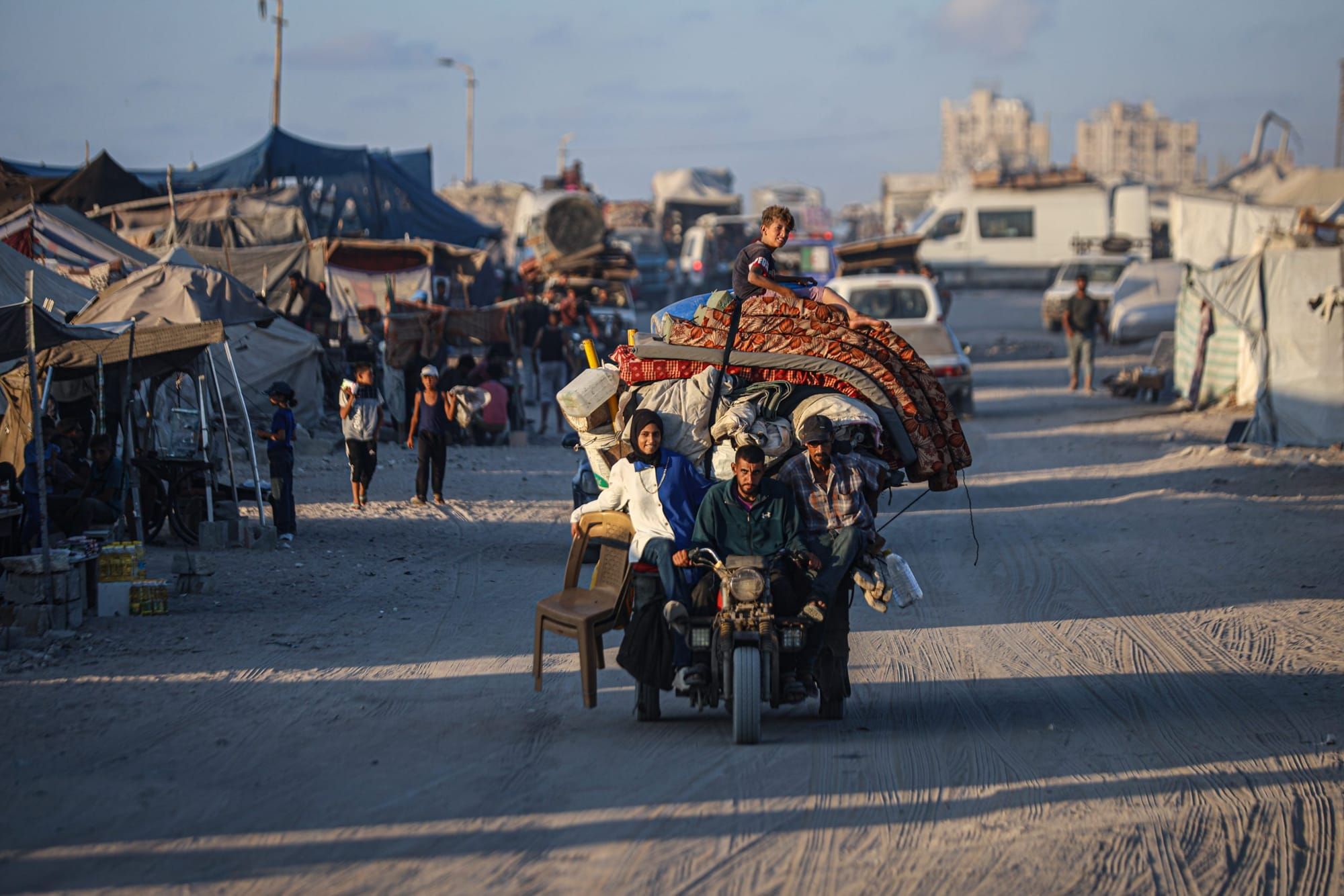
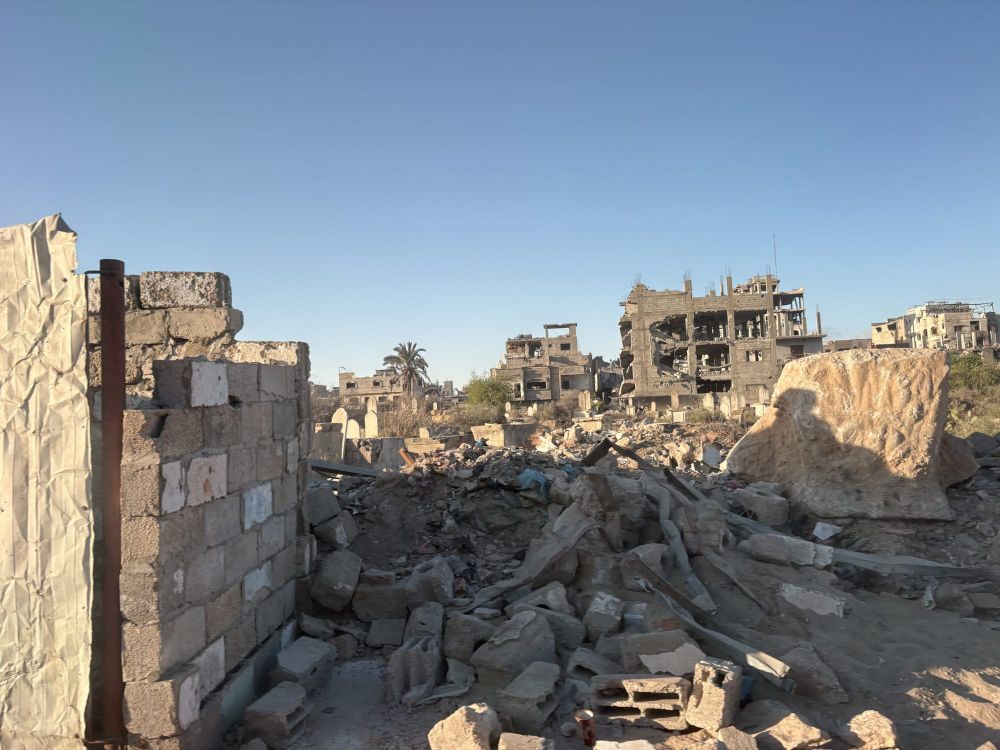
On Aug. 21, the Israeli military announced a total siege of Gaza City, declaring it a combat zone. The nightmare of displacement has once again come knocking on the doors of northern Gaza’s residents, reviving the painful memories of the ordeal that hundreds of thousands endured last year when the Israeli military forced them to leave their homes and walk into the unknown.
The memories have not faded, and the wounds have not healed. Now, people find themselves facing the possibility of reliving the same scene: leaving homes under threat of bombardment, carrying whatever belongings they can, and heading toward the unknown to the south, already overcrowded with displaced people and tents.
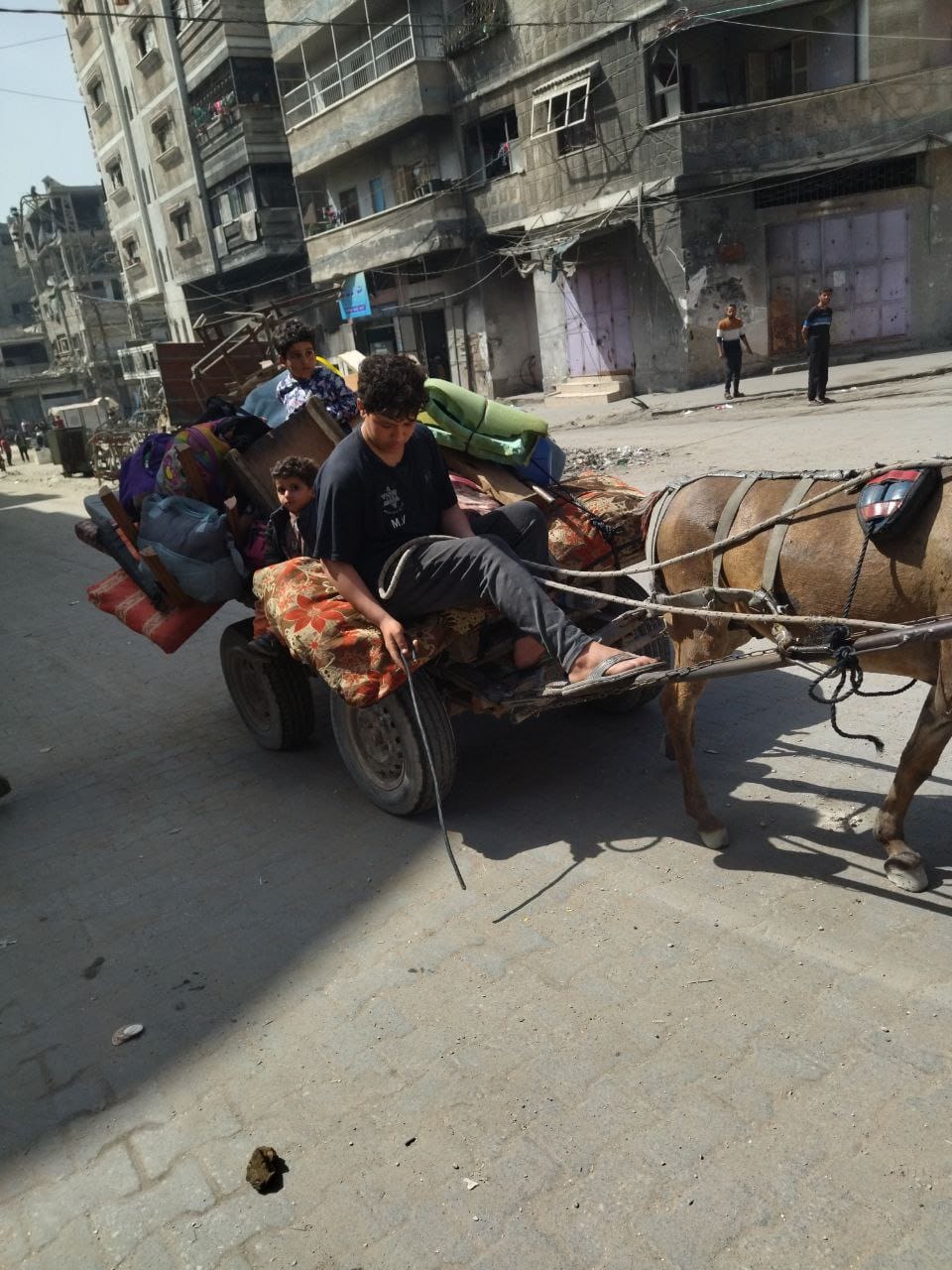
According to residents, the Israeli occupation is using every possible method to force people out of their homes. Quadcopter drones never leave the skies of the north, flying at low altitudes, sometimes firing bullets, dropping small explosive bombs, and blaring threatening and insulting messages through loudspeakers. For many families, just hearing the hum of these small drones is enough to stir terror inside their homes.
Today, the residents of northern Gaza face an impossible dilemma: stay in homes threatened with destruction or flee to places already overwhelmed with people. Between these two, the occupation continues its pressure through bombardment, threats, and drones that never leave the sky.
“Every time we survive the bombardment or the drone fire, we realize it’s only a matter of time before we lose our lives or our homes,” said Nasser Bakhit, a 36-year-old resident of the Sheikh Radwan neighborhood in northwest Gaza City. He adds in a trembling voice, “We fear losing our lives if we lose the north.”
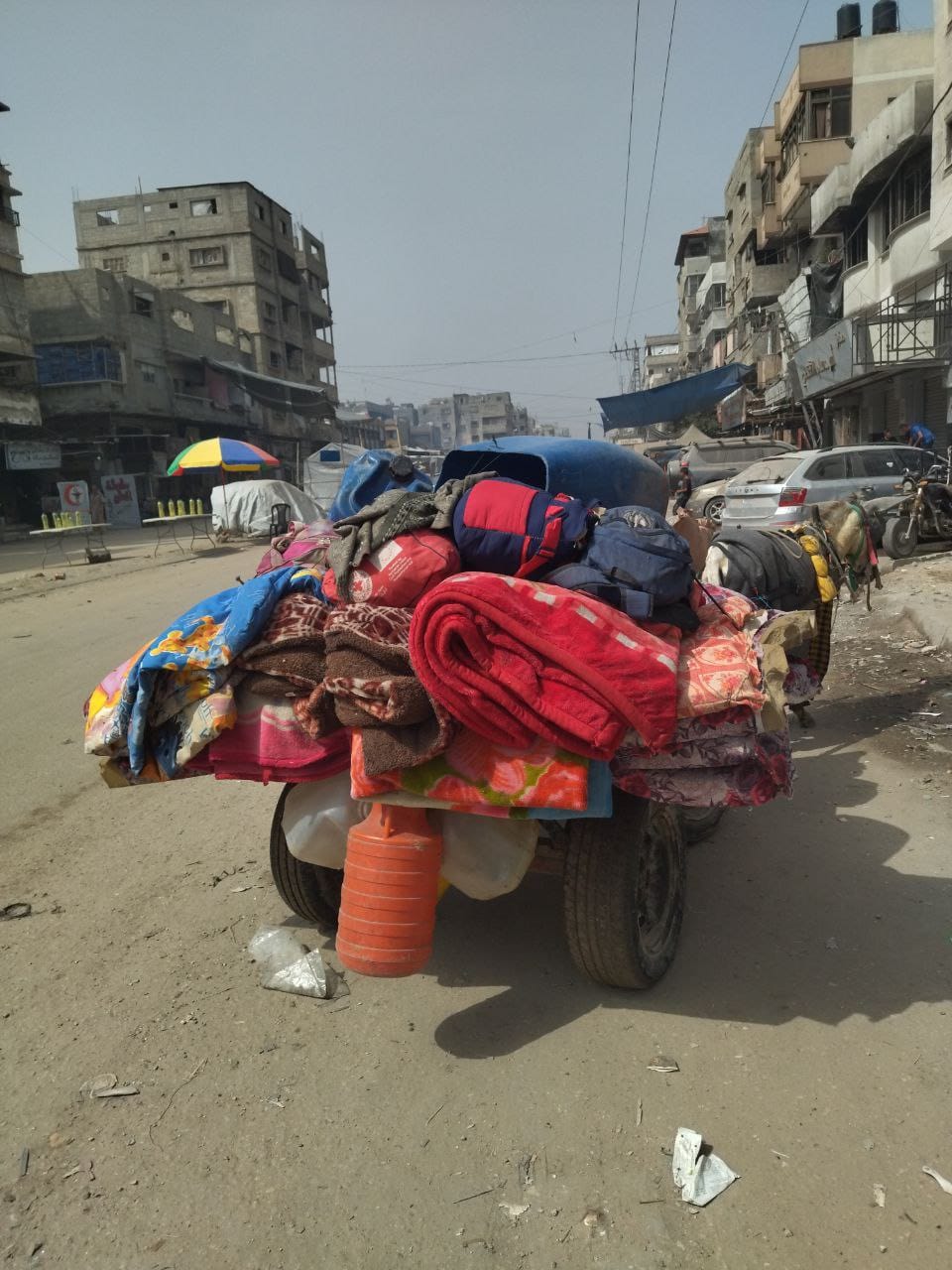
In the smoky mornings of Gaza, filled with the scent of gunpowder, families try to hold on to what remains. Mona Al-Amsi, 40, described how she sits every day, gazing at the remnants of her home’s walls, the details of her small room, and the furniture that witnessed life’s moments before becoming a declared target of the occupation. She said, “I try to gather some of my personal belongings, maybe pictures or my children’s clothes, fearing that we might be forced out suddenly, just like during the first displacement.”
But for the families, this time the displacement will be harder and harsher. The south can no longer bear the influx. Khan Younis, Al-Mawasi, and Rafah are already crowded with tents and families, while scarce water and rare food worsen the harshness of life there.
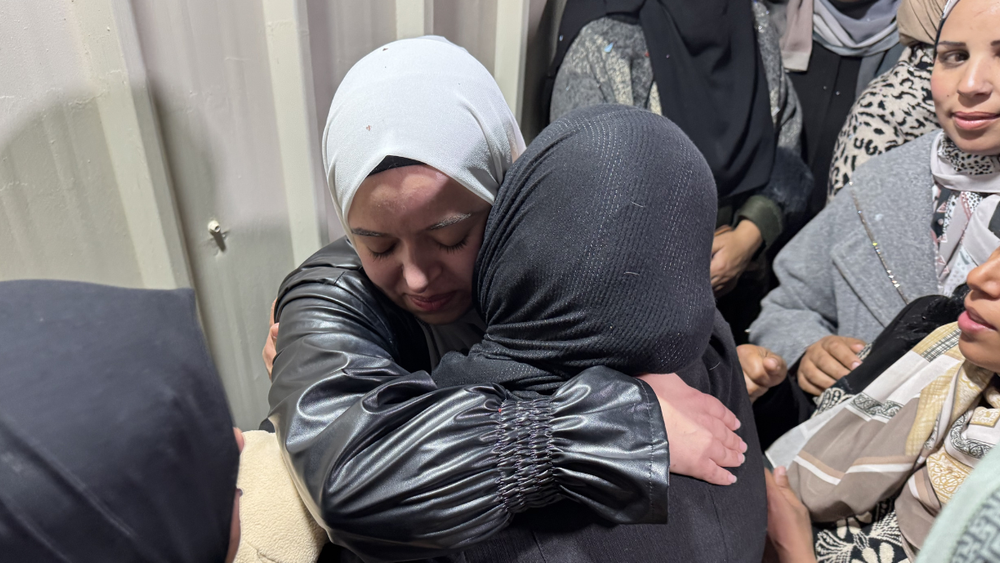
Asma Al-Sultan, the 30-year-old mother of three children, represents the suffering of thousands of women who have become heads of their families amid the war. Al-Sultan’s husband, 34-year-old Jameel Al-Sultan, was injured on March 19 when Israeli forces bombed a mourning tent for the Mubarak family in Beit Lahia, northern Gaza. Al-Sultan suffered a shrapnel injury to the brain, leaving him unable to speak or move. Asma was displaced once from Beit Lahia to the Al-Rimal neighborhood in central Gaza City after the intensified bombardment, and now her family faces the threat of having to leave their tent once again.
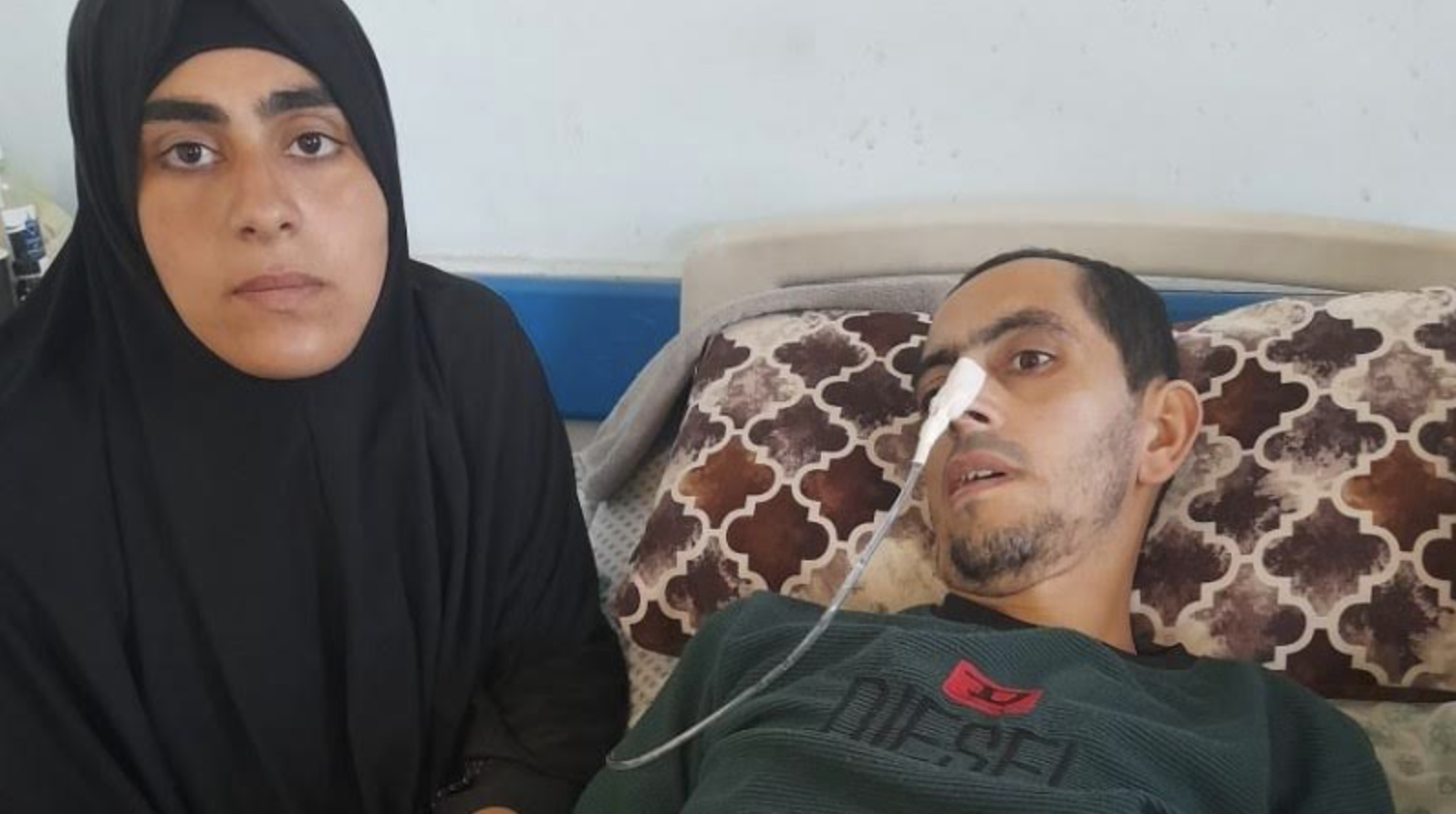
“I fear the shells will reach us again. My husband is disabled and cannot move, and my children are young. I feel like I carry all the responsibilities alone,” Asma said in a tired voice. “Displacement requires a lot of money. Who can afford transportation or a tent? We can barely provide food. How can I make decisions in front of my children? I feel powerless, but at the same time, I fear losing them under the bombardment.”
On the other side of Gaza City, in the Al-Nasser neighborhood to the west, the Hamdan family made a different decision. For Majid Hamdan, the father of three children and grandfather of nine grandchildren, there is no meaning in repeating the displacement journey once again.
There is no safe place in Gaza, from its north to its south.
Majid Hamdan
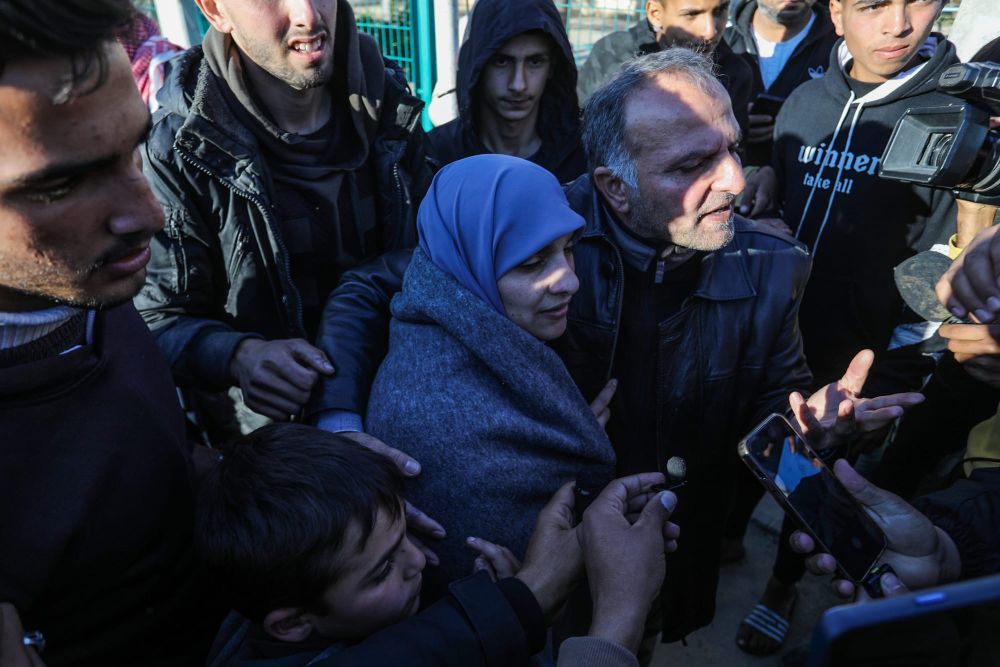
“I went with my family to the southern Gaza Strip, specifically to the Al-Mawasi area, only to find that the same danger was following us,” Majid told Prism. “There is no safe place in Gaza, from its north to its south. That is why we decided to stay here, in our tents inside the Al-Nasser neighborhood. We will not leave the north, even if it costs us our lives.”
In the besieged Gaza Strip, residents repeat one phrase: “There is no safe place.” Massacres have occurred both in the north and the south, and threats pursue the displaced everywhere. For families, displacement only marks the beginning of endless suffering: searching for shelter, buying expensive tents, securing scarce water, and standing in endless lines just to get a piece of bread or a liter of water, or risking their lives at the U.S.-Israeli Gaza Humanitarian Foundation aid distribution sites.
What pains residents most is that the experience of displacement is not new to them. Since the beginning of the war, the occupation has forced hundreds of thousands of families to leave their homes, making tents a daily symbol of Palestinian life. However, the repetition of this ordeal doubles the pain: fear, loss of loved ones, destruction of property, and the fading of what remains of memories within the walls.
Majid Hamdan’s wife summed up the situation, saying, “Displacement is a slow death, and staying is a quick death. But we choose to stay because our roots are here, even if the house turns to ashes.”
Despite the fear, many hold firmly to their decision: We will not leave again. Gaza, which has bled for so long, still raises its voice through its people, declaring that staying here is not an individual choice, but a collective resistance against attempts to uproot it.
Editorial Team:
Lara Witt, Lead Editor
Carolyn Copeland, Top Editor
Stephanie Harris, Copy Editor
Author
Shaimaa Eid is a Palestinian journalist from the Gaza Strip. She specializes in covering news and field reports, with a particular focus on human-interest stories that reflect the suffering of people
Sign up for Prism newsletters.
Stay up to date with curated collection of our top stories.