‘Despair and hope coexist’ in Gaza as ceasefire talks remain deadlocked
As Israel’s genocidal airstrikes and blockades strip Palestinians in Gaza of every means of life, they still cling to one thing: hope for a better tomorrow
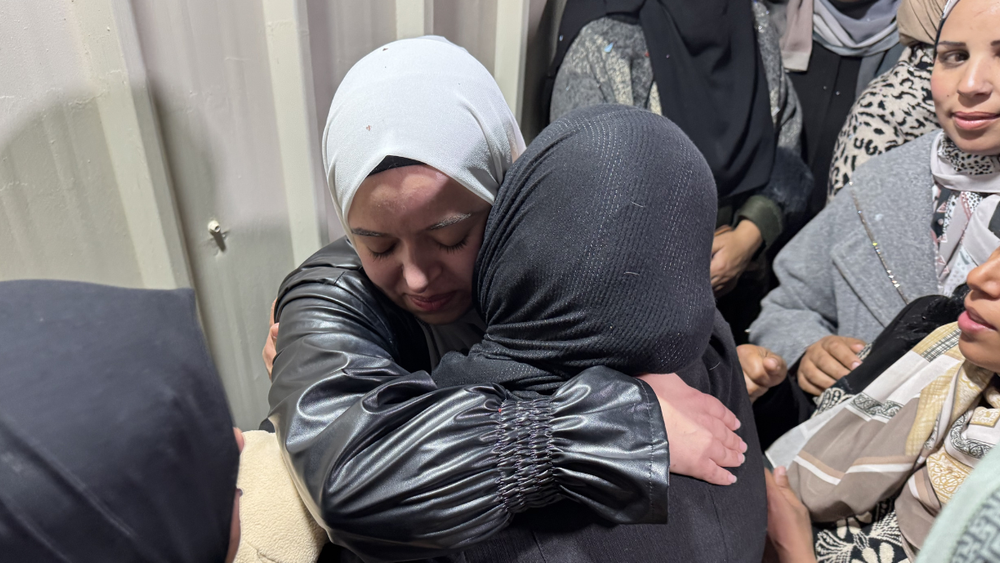
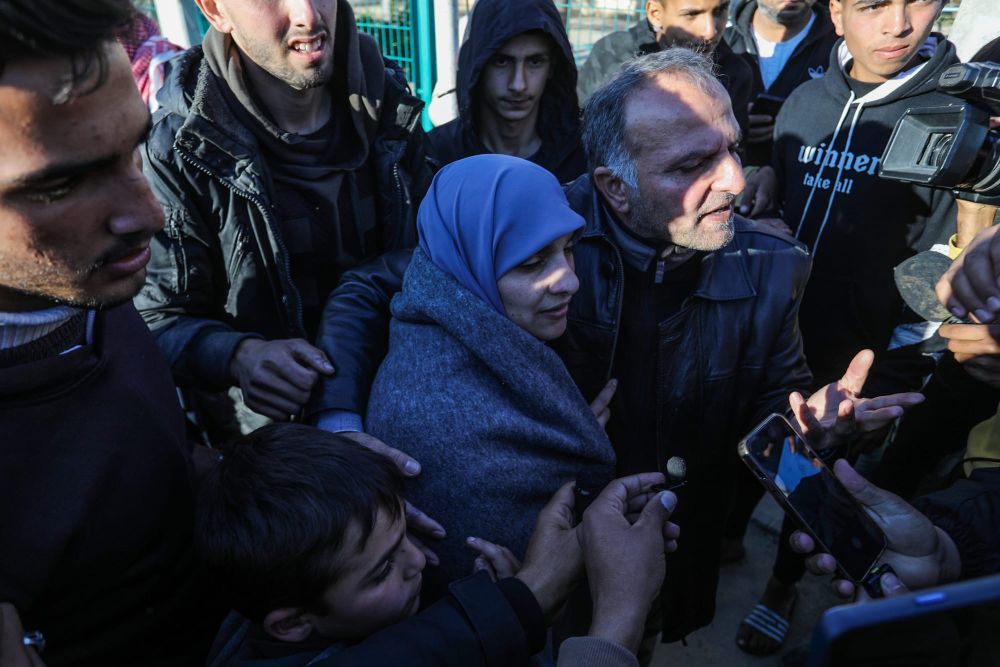
The first thing Samah Al-Batran does upon waking each morning in Gaza is to check on news of a ceasefire. The 30-year-old from North Gaza, a mother and wife known in her community as Om Nasser, has lost 80 family members during Israel’s genocide and has been forcibly displaced three times.
“Displacement is not fleeing from death. Displacement is death in slow motion,” Al-Batran told Prism in an interview, the day after Israel killed seven of her relatives. “Despite death, hunger, and displacement lurking within us, we’re like a drowning man grasping at a straw of fragile hope, while everything on the ground says otherwise.”
After 21 months of Israel’s relentless genocidal onslaught, talks for a ceasefire between Israel and Hamas have restarted, though negotiations remain deadlocked. Officially, the number of deaths has surpassed 58,000, but experts have estimated a much higher toll of Palestinians killed by Israeli airstrikes, deliberately starved to death by Israel’s blockades on food and water, or left dead due to a lack of medical supplies. Tens of thousands more remain missing, either decomposed beneath the rubble or vanished with their whereabouts unknown. As of July 10, Gaza’s population has decreased by 10% since October 2023.
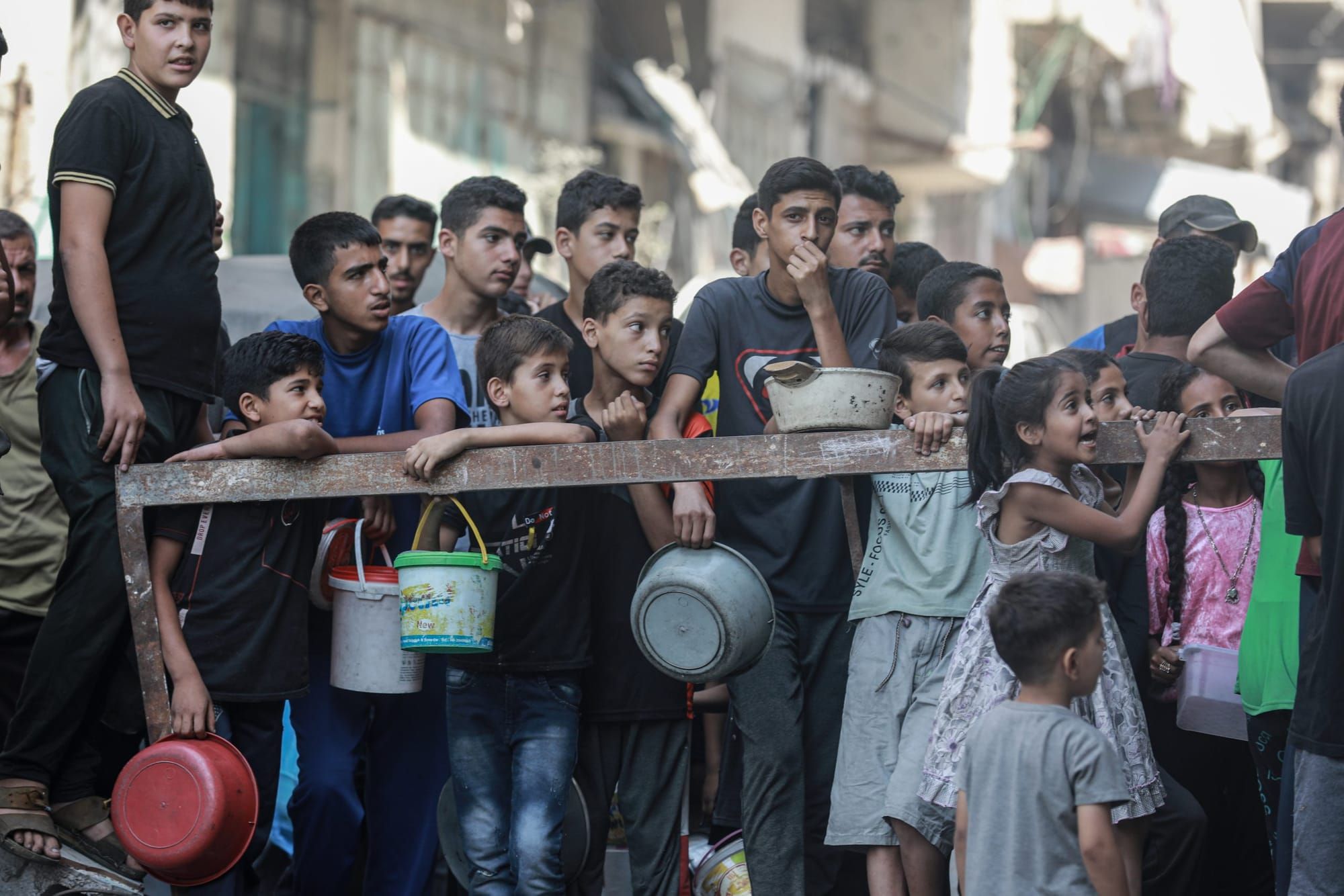
Palestinians in Gaza are forced to risk death by U.S. and Israeli forces just to secure a sack of flour for their children. They flee from one so-called safe zone to another, only to be erased one by one, generation after generation. Their limbs are exhausted from escape, their souls patrolled by fear, their minds haunted by their worst memories. Yet deep down, they whisper: This bloodshed shall pass. It won’t last forever. Stripped of every means of life, Palestinians have one thing left: hope for a better tomorrow.
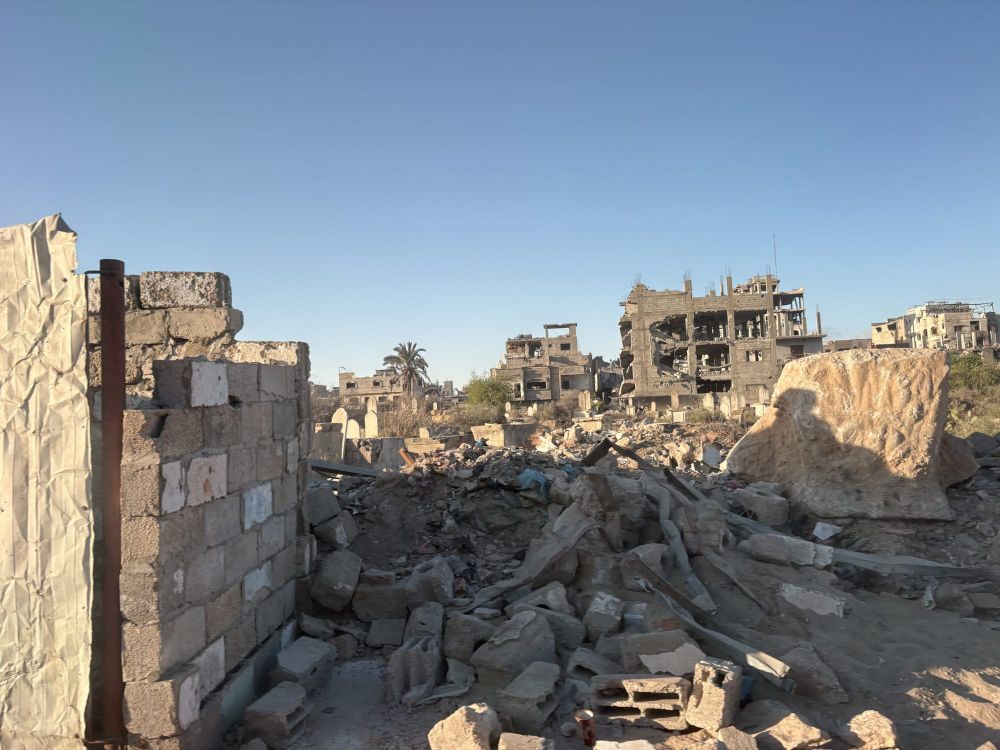
U.S. President Donald Trump announced in late June that Israel had agreed to a 60-day truce and that negotiations were ongoing for a complete end to the war, offering a dim light. For Palestinians, a ceasefire feels closer than ever, simply because there is nothing left to destroy. The United Nations estimates that about 92% of all residential buildings, or about 436,000 homes, have been damaged or destroyed since Oct. 7, 2023.
“We’re wishing for a permanent ceasefire. But if that doesn’t come, we’re willing to accept any truce, just to breathe a sigh of relief. To collect our scattered, open wounds. To focus on the next day,” Al-Batran said.
Ceasefire negotiators were reportedly ramping up efforts to bridge gaps, even as Hamas accused Israeli Prime Minister Benjamin Netanyahu of being “unwilling” to reach a deal. But the hope in Gaza didn’t linger for long. It was met with yet another set of evacuation orders, most recently on July 11, when an Israeli spokesperson issued a new evacuation map targeting already densely packed areas overflowing with the displaced.
The map ordered Palestinians to flee south, only to be met with mass killing. A brutal airstrike struck one of the medical clinics as people awaited care for infections and malnutrition, killing 15 people, most of them mothers and children waiting in line.
Ibrahim Fares, 68, is an esteemed retired teacher who worked with the U.N. Relief and Works Agency for Palestinian Refugees. He has witnessed the Naksa war, the Lebanon invasion, the October War, the 1987 Intifada, the Al-Aqsa Uprising, and the six wars since 2008.
“All these aggressions are nothing compared to the annihilation campaign we are facing,” he told Prism.
Known locally as Abu Ammar, Fares was displaced from his home in the Al-Bureij refugee camp in Central Gaza on Oct. 7. Later, he learned his house had been razed.
“I lost everything I had spent my life working for. We are stripped of our memories, our identities,” Fares said. “No birth certificates. No marriage contracts. No graduation certificates. Nothing. Literally nothing to prove we were once humans, no less than anyone else. But now, we are mere numbers. Nameless and faceless.”
I just wish a ceasefire would take effect soon, so we can preserve what’s left of our dignity and save the rest of our loved ones.
Ibrahim Fares, U.N. Relief and Works Agency for Palestinian Refugees
Fares said each time there is progress in ceasefire negotiations, it’s followed by setbacks. It’s a painful cycle of torment, he said.
“I just wish a ceasefire would take effect soon, so we can preserve what’s left of our dignity and save the rest of our loved ones,” Fares said.
What does hope truly mean when no aid trucks have trickled into Gaza, except through the infamous Gaza Humanitarian Foundation, which has killed nearly 800 and injured more than 4,000?
What does ceasefire truly signify to Palestinians if they are to be crammed into just 60% of Gaza’s original land, while Israeli forces seize the rest and impose restrictions on sailing, fishing, and swimming?
For Hisham Anwar Aboholy, a 29-year-old humanitarian worker in the disaster management department of the Palestinian Red Crescent Society, hope means continuing to help those in desperate need.
“Since the very beginning, I’ve been on the ground. I wasn’t just a worker—I was a human too. Living the same pain, fear, and anger. But I had to suppress my feelings just to keep going,” said Aboholy, who lost 21 family members and many more colleagues who died on the job. “I believe my people deserve to live safely and peacefully. That’s why I haven’t given up.”
A ceasefire would bring a “sorrowful joy,” he said, as well as fears that it could collapse at any moment like the last truce in January.
“This genocide doesn’t just destroy buildings or claim souls. It stains our memories. It chips away at our ability to live,” Aboholy said. Despite it all, he held onto hope. “I wish for a ceasefire to come true. To unlock a new chapter, free from fear and hunger. To allow me to complete my humanitarian mission in serving my people.”
For Al-Batran, following the back-and-forth news coverage is physically and mentally exhausting.
“I know deep down that our struggles are too heavy to be resolved by a ceasefire. But still, we pray for one,” she said. “Here in Gaza, despair and hope coexist.”
Editorial Team:
Sahar Fatima, Lead Editor
Carolyn Copeland, Top Editor
Rashmee Kumar, Copy Editor
Author

Hend Salama Abo Helow is a researcher, writer, and medical student at Al-Azhar University in Gaza. She is also a writer with We Are Not Numbers and has published in the Washington Report on Middle Eas
Sign up for Prism newsletters.
Stay up to date with curated collection of our top stories.