‘The joy is incomplete’: Palestinians in Gaza react to ceasefire with relief, fear, and uncertainty
After two years of devastation, many in Gaza express cautious relief at news of a ceasefire, their happiness overshadowed by loss and displacement
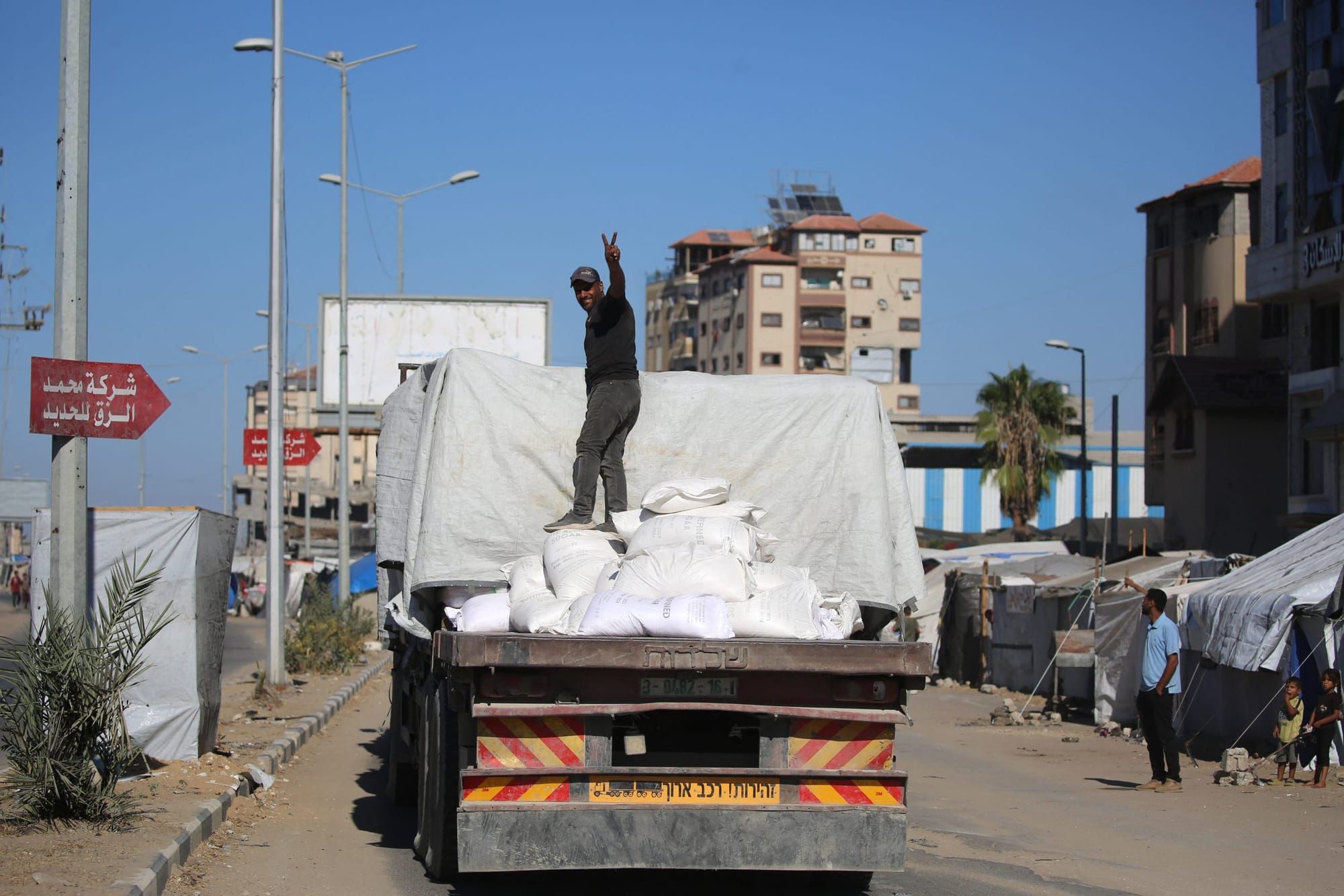
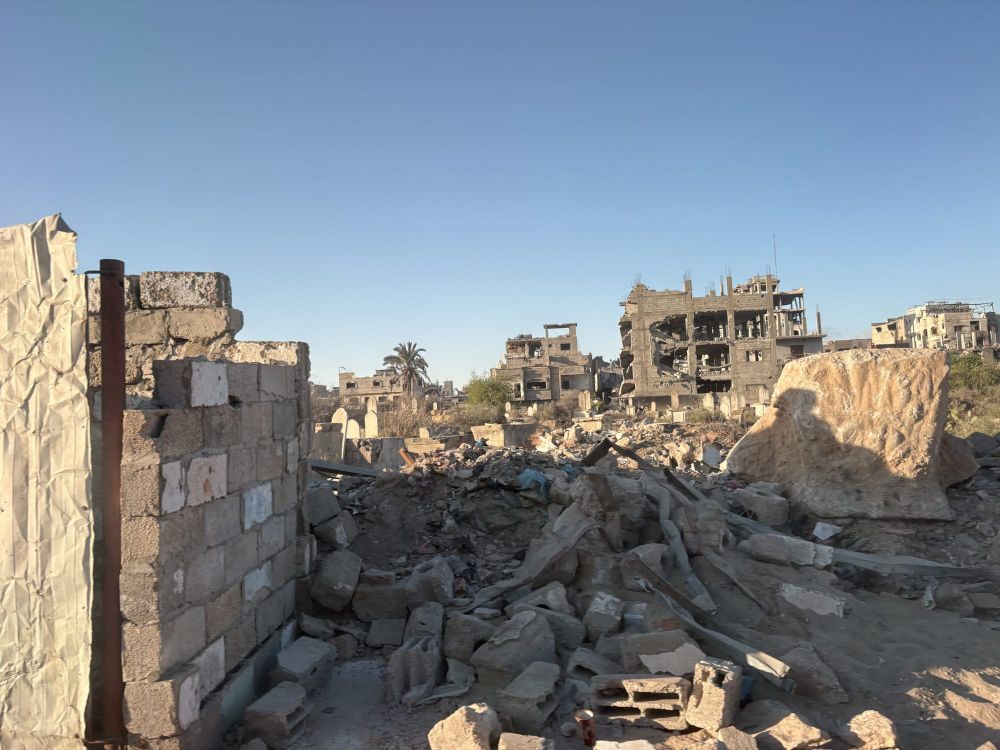
After two years of genocide, starvation, and forced displacement—with more than 67,000 killed and 169,000 wounded—President Donald Trump declared on Monday, “The war is over.” Palestinians in Gaza have long waited to hear those words.
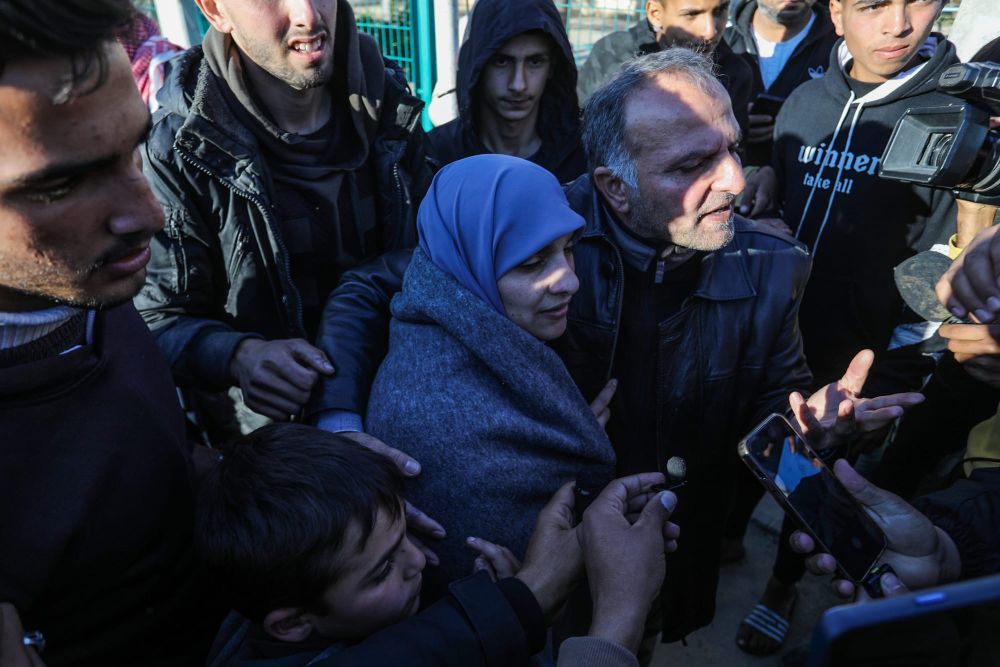
The 20 remaining Israeli hostages were released on Sunday under a ceasefire deal led by the U.S. alongside other mediating nations. Israel also began freeing more than 1,700 Palestinian prisoners. The plan calls for the “full entry of humanitarian aid and relief” and requires Israeli troops, which had controlled most of Gaza, to pull back to new lines that still leave about half the Gaza Strip under Israeli control.
The so-called Board of Peace announcement brought a brief sense of relief to a population battered by relentless attacks. Many of these strikes were carried out with U.S.-supplied weapons—some of which, Trump admitted, he had “never heard of.”
Israel has already reportedly violated the ceasefire, killing at least seven Palestinians on Tuesday. Israel also refused to reopen the Rafah border, as per the ceasefire deal, and halved the amount of aid going into Gaza, citing delays in Hamas’ returning the bodies of deceased Israeli captives; Hamas and the Red Cross have said recovering bodies will take time.
Clashes with Israeli-backed armed militias are also ongoing; Palestinian journalist Saleh Aljafarawi was shot and killed by members of such groups, sources told Al Jazeera.
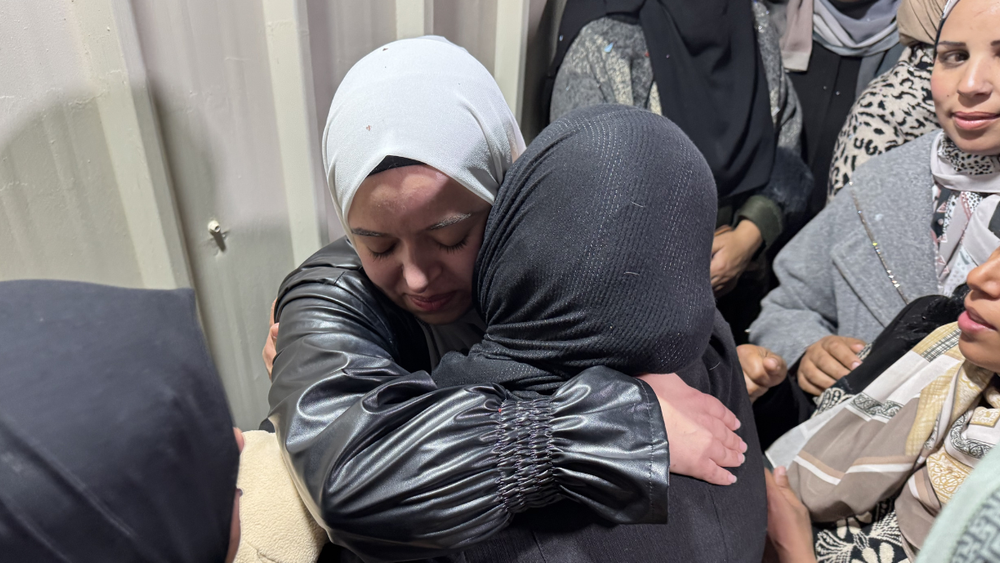
Still, for many in Gaza, it felt as if the mass killing had finally stopped, at least for now. Some celebrated the return of loved ones they had feared they would never see again. Many also mourned those who have been killed, wondering how long the ceasefire would last and what it would take to rebuild their lives and their land after such immense loss.
Israa Shahada, 34, a nurse in Gaza who lost nearly her entire immediate family and her home, told Prism over WhatsApp messages that her feelings were deeply conflicted.
“I’m relieved the bloodshed has stopped,” she said. “But there is also a completely different feeling: deep pain and a lump in my heart because the dearest people I had are gone. I miss them so much.”
Shahada said she lost her parents, husband, and children, as well as all her uncles, her only aunt, and several cousins.
“Only my daughter survived—the one I was pregnant with during the bombing,” she said. “It’s unbearable. No one can replace them.”
Montaser Al-Lulu, 67, a carpenter in Gaza, said the ceasefire felt like a mercy after months of destruction.
“I just pray it lasts,” he said in a phone interview. “Before the war, I worked all day, but now my workshop is gone, my home is gone, and my children’s houses are 60% damaged. But thank God, we and our children are safe.”
For Lamees Al-Ra’i, 49, a pharmacist, the ceasefire brought her no complete sense of happiness.
“The joy is incomplete. My house is gone, and that overshadows everything. I’m glad my children are safe, but my feelings are all tangled,” she told Prism over the phone. “I don’t know where we’ll live or what will happen to my job. During the first truce, I was happier because I thought it was the end, but it returned.”
A two-month ceasefire ended on March 18, when Israel launched airstrikes across Gaza in a surprise attack that killed more than 400 people, marking one of the deadliest days of the genocide.
Hani Al-Na’san, 61, a retired teacher, viewed the latest ceasefire with cautious optimism and disbelief.
We’ve had enough wars—every day of these two years felt like a year. What we witnessed is incomprehensible; death has become ordinary.
Hani Al-Na’san, retired teacher in Gaza
“The best part of Trump’s plan,” he told Prism over the phone, “is that it doesn’t mention transfer, displacement, or occupation. We’ve had enough wars—every day of these two years felt like a year. What we witnessed is incomprehensible; death has become ordinary.”
But he added that he still remains worried.
“I fear the truce won’t last, that they’ll take their hostages and resume bombing unless there are real international guarantees,” Al-Na’san said.
Shaimaa Abu Haiba, 30, a doctor, said via WhatsApp after the deal was announced last week, “It is too early to trust the announcement of a ceasefire. Not out of pessimism, but to avoid disappointment from previous ceasefires. I hope my society can remain safe for as long as possible.”
Areej Al-Yazouri, 26, an English teacher in Gaza, said in a message to Prism that her initial reaction was more complex than she expected.
“I realized I was angry,” she said. “I thought of the loss, the martyrs, their families, and the destruction of Gaza. I thought about how people fled and escaped death.”
Still, she tries to hold on to life beyond grief.
“I am a survivor of a two-year genocide, and fortunately, I was neither expelled nor forced to lose Gaza forever,” Al-Yazouri said. “I have a strong desire to return and restore a spot on Al-Rashid Street, dust off the war’s ruins, and sit there after dinner to enjoy the Gaza evenings I love, listening to Umm Kulthum”—a popular Egyptian singer.
Israa Awad has been displaced in Egypt since May 2024. She shared her struggle to process the news in a text message to Prism.
“I don’t know why we’re crying, or what we’re even thinking, or if we can believe it—that those places are really gone,” she said, reflecting on the loss. “I keep thinking about our house, whether it’s still standing or gone. I heard the neighborhood was wiped out. Will I ever be able to go back and see Gaza?”
As the news spread since the deal was announced last week, Palestinian organizers abroad expressed the same mix of relief and determination to keep advocating for justice.
“I’m holding on to hope for every Palestinian survivor in Gaza who has endured unfathomable daily horrors during this genocide, on top of decades of violent Israeli colonization,” Ahmad Abuznaid, executive director of the U.S. Campaign for Palestinian Rights Action, said in a press release. “This ceasefire brings extremely overdue relief, and now we must do everything in our power to bring the genocide to an end and push toward a free Palestine.”
He called for unrestricted humanitarian aid, the full withdrawal of Israeli forces from Gaza, and accountability for war crimes.
“Justice is just a word when genocide gets a free pass,” he said.
In Chicago, organizers led a rally on Oct. 9 after the ceasefire’s announcement.
“The Palestinian people and allies across the world have been organizing every day for two years to stop this genocide, and are cautiously optimistic that the Unified Palestinian Resistance has entered into an agreement that will stop Israel’s war crimes, bring essential aid into the Strip, and lead us to self-determination and liberation,” Hatem Abudayyeh, the national chair of the U.S. Palestinian Community Network, said in a press release.
“But we don’t trust Trump and Israel as far as we can throw them,” he continued, “especially since [Israeli Prime Minister Benjamin] Netanyahu has violated so many previous ceasefires and other agreements, so we stay vigilant, ready to continue our protests of Trump, Israel, and all the other genocide and zionist enablers in the Democratic and Republican parties.”
Editorial Team:
Sahar Fatima, Lead Editor
Carolyn Copeland, Top Editor
Rashmee Kumar, Copy Editor
Author

Malak Hijazi is a Palestinian writer from Gaza. Her work centers on memory, disappearance, and the destruction of place under colonial violence. She has published journalistic and nonfiction pieces on
Sign up for Prism newsletters.
Stay up to date with curated collection of our top stories.