Trump’s EPA argues that regulating greenhouse gas emissions is unnecessary
The Endangerment Finding, the legal grounding for managing climate change-causing emissions, is the latest environmental regulation on the chopping block
September 15 is the last day the public can register their reactions to a proposal by the Trump administration’s Environmental Protection Agency (EPA) to rescind the Endangerment Finding, the foremost legal precedent for regulating climate change-causing greenhouse gas emissions.
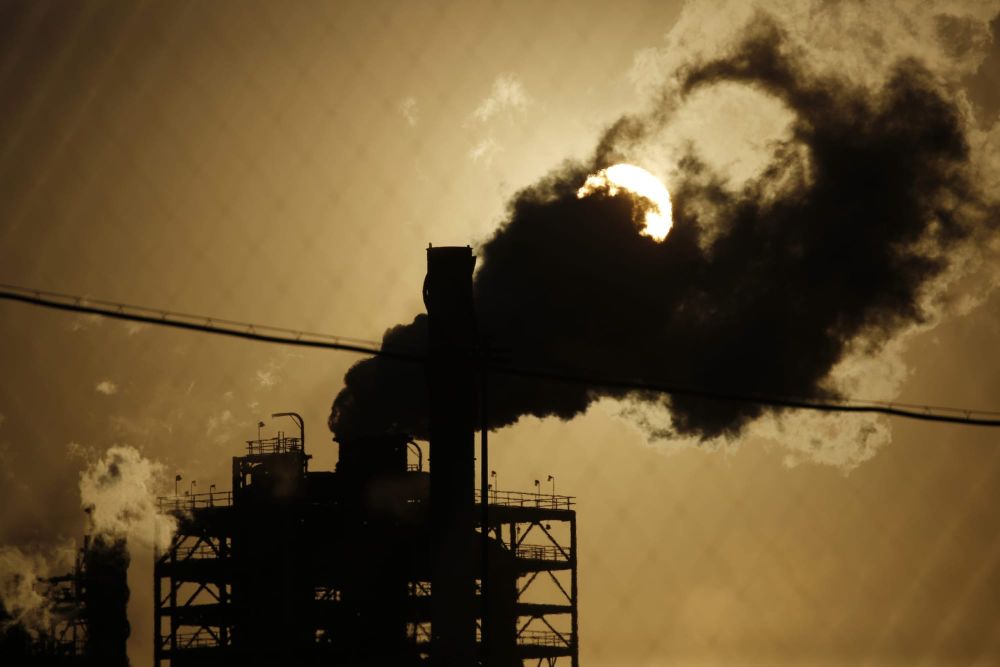
Created in 2009, the Endangerment Finding unambiguously stated that carbon dioxide, a potent, planet-warming greenhouse gas, is an air pollutant dangerous to public health and well-being and thus, eligible for regulation under the Clean Air Act. The Trump administration’s effort to dismantle the legal precedent is its latest full-throttle attempt to eliminate the federal government’s responsibility to mitigate climate change.
On Aug. 1, the EPA outlined in the federal register its justification for eliminating the Endangerment Finding. The agency cited a litany of issues, from incomplete scientific evidence supporting the need for such rule-making and an undervaluation of the supposed benefits of carbon dioxide pollution to claims that federal support for the construction of electric vehicles poses an outsized burden on the consumer. Enforcing the Clean Air Act protections through the Endangerment Finding has totaled $1 trillion in regulations, the agency argues, though it’s unclear how the EPA arrived at that number.
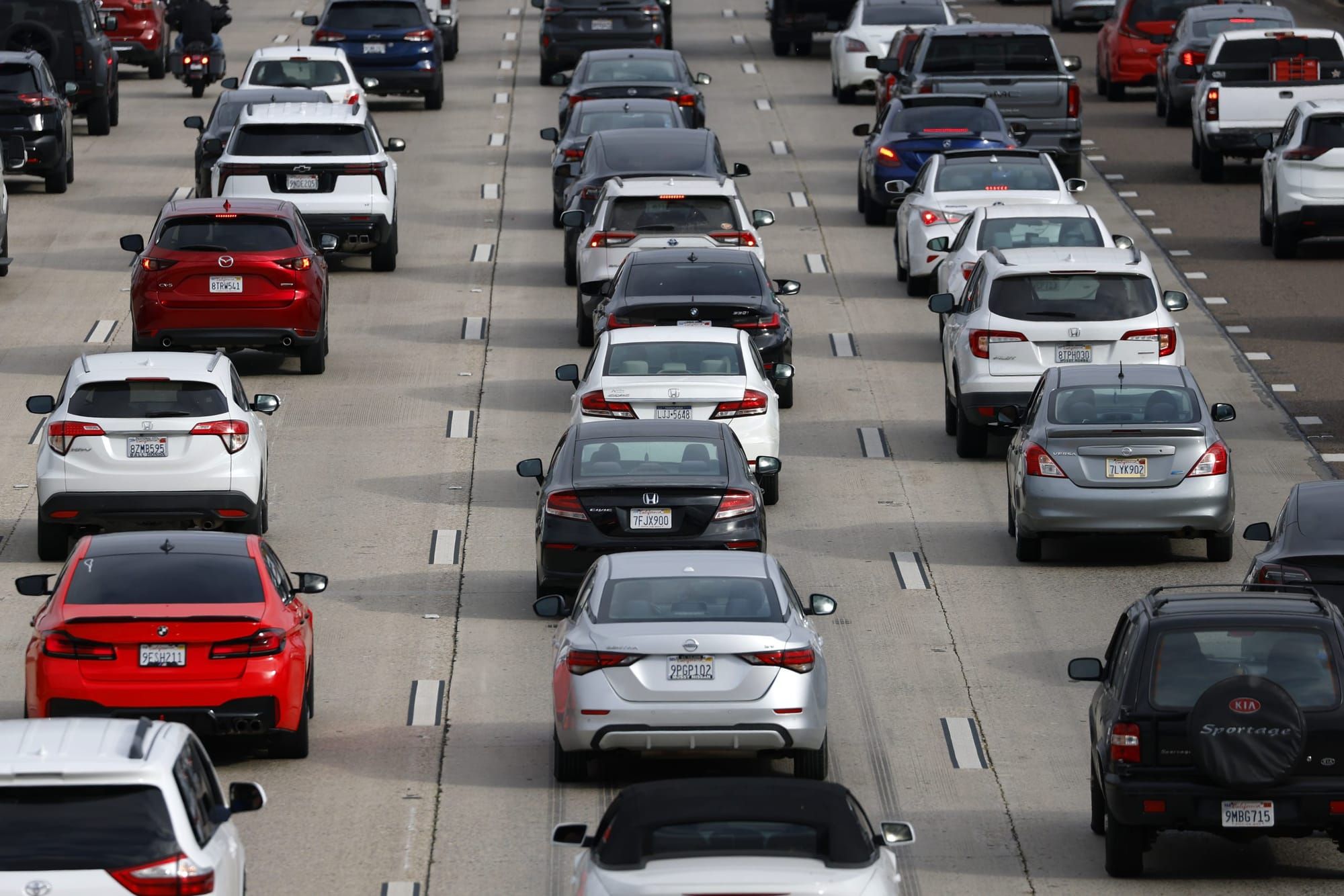
The price tag the agency appears most concerned about is that which reflects the corporations monitored by the EPA, rather than the public who the EPA is supposed to protect. The Endangerment Finding actually pushed automakers to build vehicles with lighter materials that could travel farther on less gas, saving consumers money. The U.S. transportation sector is the largest source of greenhouse gas emissions in the country, and even with regulations in place, air pollution from vehicles adds up to $50 billion in health costs to the public.
It should come as no surprise that the administration is attempting to repeal the Endangerment Finding. It promised to do so in its Project 2025 playbook, the 800-page policy memo written by climate obstructionists that said industry regulations were tantamount to attacks on personal freedom. Now, the administration is poised to continue its attack on climate change science, mitigation, and policy, an effective approach to whittling away the EPA until it’s nothing more than a shell. Since President Donald Trump took office in January, he’s cut funding dedicated to underserved communities most impacted by climate change, granted fossil fuel corporations more tax breaks, removed reports related to climate change impacts from government websites, and appointed a climate denier, Lee Zeldin, to the head post at the EPA.
Attempting to undercut the Endangerment Finding imperils bedrock climate science and the legal foreground for much of the country’s emissions regulations that curtail pollution from the oil and gas industry writ large. It’s also an effective way of sowing discord among political parties by furthering a culture war centered on renewable power and electric vehicles, both of which reached their most affordable prices ever under the Biden administration and were key parts of the former president’s landmark Inflation Reduction Act. But the administration has put its full weight behind fossil fuels, beginning with an executive order signed on day one of Trump’s second term, vowing to “unleash American energy.” This language is often used by stalwarts of the industry itself, like American Fuel and Petrochemical Manufactures and the Alliance for Automotive Innovation, trade groups that claimed Biden was coming for Americans’ cars.
The Trump administration claims that the Endangerment Finding lacks the legal scaffolding to regulate carbon dioxide as a greenhouse gas because climate change is a global problem; that carbon dioxide is not an air pollutant with immediate consequences; and that it’s the purview of the legislative branch to enact policy, not federal agencies. Yet, in some ways, the Trump administration’s previous efforts to eliminate climate change information and funding for mitigation nibbled at the edges of climate denialism in a way that nixing the Endangerment Finding goes straight for.
In a report published by the Department of Energy (DOE) one week before the EPA announced that it would reconsider the Endangerment Finding, DOE head Chris Wright wrote that “media coverage often distorts the science. Many people walk away with a view of climate change that is exaggerated or incomplete.” He also alleged that “scenarios widely-used in the impacts literature have overstated observed and likely future emission trends” and that in some cases, “CO2 is similar to water vapor.”
The effort to render carbon dioxide emissions benign might be the administration’s long-term goal, but ahead of finalizing any rule change, the EPA will first have to consider all public comments and respond to each of them. Climate and community groups are likely to challenge the rule in court, a legal battle that could drag on for years. Still, simply saying that carbon dioxide isn’t a threat to the public doesn’t actually mean it’s innocuous: The most marginalized communities in the U.S. struggle with pollution every day and die from preventable causes, and this pollution is now fully supported by the Trump administration.
To better understand how abolishing the Endangerment Finding will impact communities, Prism spoke with three environmental experts. Their quotes have been edited for length and clarity.
Tricia Cortez, executive director of the Rio Grande International Study Center
The ones who will suffer are normal, everyday people like us in South Texas. Laredo is the largest inland port in the entire Western Hemisphere. We get 20,000 diesel trucks every day that cross through here that emit a lot of pollutants. When you think that our country would walk away from regulating that so that people can be healthier, it’s very hard to understand. Texas has never been a state that prioritizes the well-being and care of its people. It will always choose heavily polluting industries over everyday people. Because of that, we always turn to the feds as a way to be a buffer and a last resort to prevent [the] worst-case scenario. When you get something like this, it’s almost like a death knell. That might sound really [extreme], but it’s the truth.
Andy Miller, former senior science adviser for the Integrated Climate Sciences Division in the EPA’s Office of Research and Development
It’s pretty clear that the consequences of climate change are going to hit those who are already vulnerable based on where they live, their exposure to other pollutants, [and] the lack of community resources to respond. Pretending like climate change is not an issue or that we can’t do anything about it—which is essentially what this DOE report says—will continue to put that burden on people who are least able to respond and to adapt. One of the real dangers with the issue of the Endangerment Finding and the DOE report is it’s just bad science. Now it’s open season on any facts. The basic fabric of democracy [depends] upon some set of agreed-upon rules and facts to make our points about what philosophical directions we want the country to move in. If we throw that out, then you’ve undermined trust in a huge way.
Peter Zalzal, distinguished counsel and associate vice president for Clean Air Strategies at Environmental Defense Fund
The Endangerment Finding is the legal foundation that underpins vital protections against the pollution that causes climate change. It is supported by a mountain of scientific evidence and has been repeatedly upheld by our courts, including the Supreme Court.
Americans are already suffering from stronger hurricanes, more powerful floods, more extreme heat waves, and more destructive fires. They are watching these climate disasters get worse, the danger to their lives and health intensify, and their power bills and insurance bills go up. Attacking the Endangerment Finding will increase climate pollution and make life less safe and more costly for Americans. That is a breach of our government’s responsibility to protect people’s health and well-being.
Editorial Team:
Tina Vasquez, Lead Editor
Carolyn Copeland, Top Editor
Rashmee Kumar, Copy Editor
Author

ray levy uyeda is a staff reporter at Prism, focusing on environmental and climate justice.
Sign up for Prism newsletters.
Stay up to date with curated collection of our top stories.