Local organizations are combating disinformation among Latinx communities
The Miami Freedom Project has been monitoring Spanish-language media and documenting instances of misinformation to better understand and address the problem
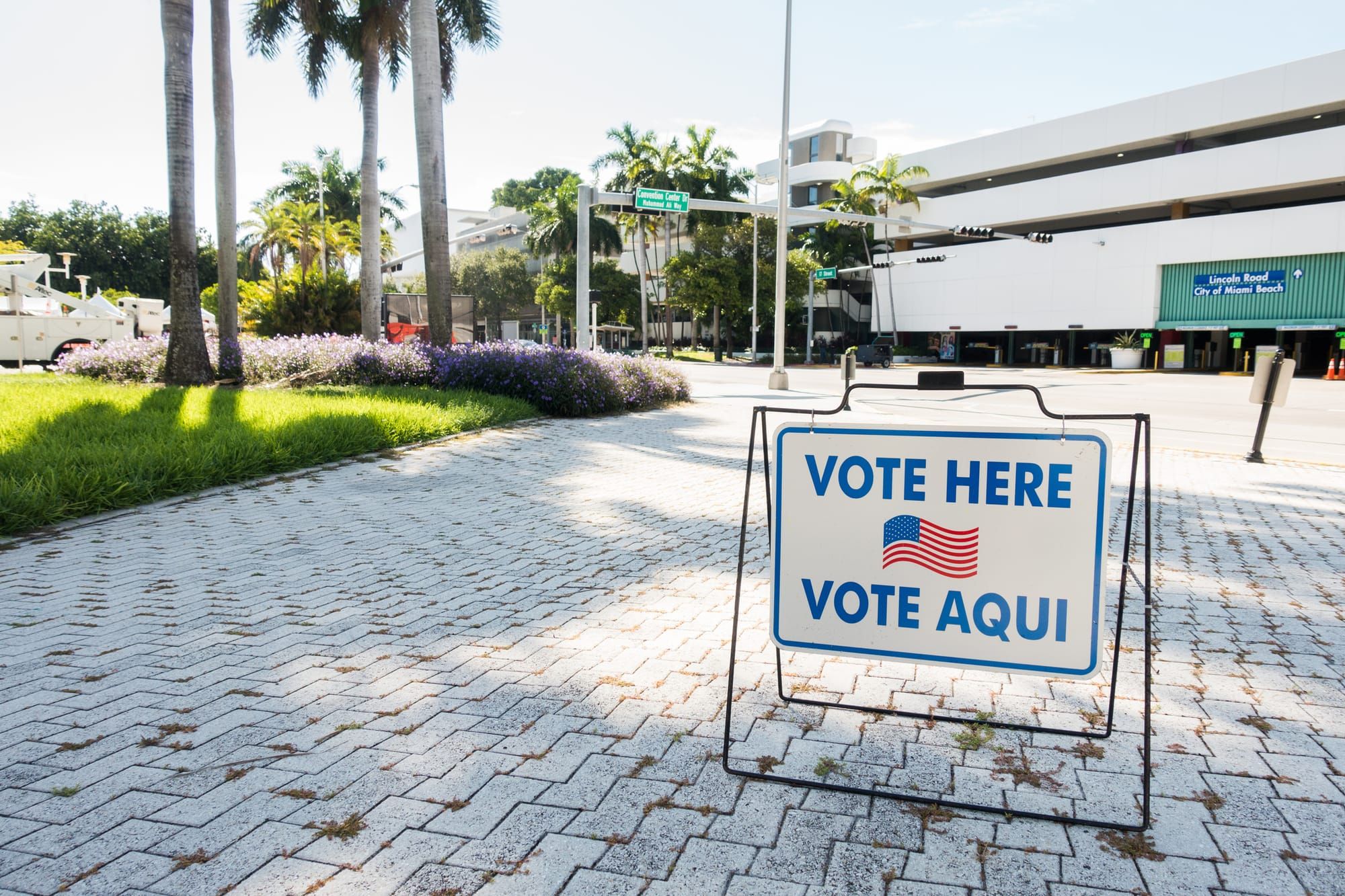
Amid the 2024 election season, the Miami Freedom Project is stepping up its efforts to combat misinformation, particularly within Latinx communities. As the stakes rise, so does the prevalence of disinformation, making the organization’s work more crucial than ever.
Ana Sofia Pelaez, the co-founder of the Miami Freedom Project, emphasized the growing challenge of disinformation in this election cycle.
“We’re in a very busy season,” Pelaez said, reflecting on the organization’s commitment to civic engagement amid the high demand for its services.
Founded with the mission of fostering civic participation among Miami’s Latinx population, the Miami Freedom Project has consistently addressed the issue of misinformation. Pelaez highlighted that their efforts began with a focus on voter education, helping the community understand candidates, ballot measures, and the importance of voting. However, the surge of disinformation, especially in Spanish-language media, has become a significant concern.
During the early voting period, Pelaez and her team noticed a troubling trend: widespread conspiracy theories and misinformation, some rooted in discredited sources like QAnon. This issue became glaringly apparent after the Jan. 6 Capitol riot, which Pelaez believes was fueled by similar disinformation campaigns. The Miami Freedom Project responded by monitoring Spanish-language media and documenting instances of misinformation to better understand and address the problem.
In some instances, to shift attention away from the attack on the Capitol, some radio hosts spent a significant amount of time on alleged violence caused by Black Lives Matter protesters during the summer, despite widespread reports confirming they were peaceful protests. Hosts also equated Democrats with socialists and communists and compared the Biden administration with the governments of Cuba, Venezuela, and Russia, instilling fear in the audience about how socialism is taking over the country.
Pelaez explained that Latinx communities, particularly those with experiences of political upheaval or displacement, are particularly vulnerable to disinformation.
“It’s not that they’re less informed; in fact, they’re often more informed and actively seeking information,” she said. “But their heightened sensitivity to political narratives makes them a prime target for misleading content.”
The Miami Freedom Project’s approach involves direct, person-to-person engagement to counteract misinformation. Instead of relying solely on traditional media fact-checking, they focus on building trust and providing accurate information through personal interactions, including hosting a voter hub where they answer questions and help register citizens to vote. This method aims to foster understanding and mitigate the impact of misleading narratives.
Looking ahead, Pelaez expressed cautious optimism about the evolving political landscape. She noted that while disinformation remains a concern, its impact appears to be waning as voters become more discerning. The Miami Freedom Project is hopeful that the upcoming election will see a return to a more balanced and cooperative political environment, reflecting a broader rejection of divisive and harmful rhetoric.
But Pelaez highlighted a new challenge in how the role of artificial intelligence in spreading disinformation has grown more insidious.
“AI has the potential to exacerbate the problem,” she said, citing concerns about manipulated content and the erosion of trust in information sources.
The organization is adapting by prioritizing direct, trustworthy communication channels and focusing on grassroots efforts. With Miami-Dade County’s political climate in flux, Pelaez anticipates a shift toward a more balanced political discourse.
“Our goal is to foster a community that values inclusive and progressive dialogue,” she said. “We hope to see a rejection of politics that divides us and a move towards a more unified approach to addressing community issues.”
As Election Day approaches, the Miami Freedom Project remains committed to its mission of combating misinformation and empowering voters.
“We’re here to ensure that everyone has the information they need to make informed decisions and that our democracy remains strong and inclusive,” Pelaez said.
Author
Alexandra is a Cuban-American writer based in Miami, with an interest in immigration, the economy, gender justice, and the environment. Her work has appeared in CNN, Vice, and Catapult Magazine, among
Sign up for Prism newsletters.
Stay up to date with curated collection of our top stories.