Deporting veterans betrays America’s promise
ICE does not report the veteran status of people it has deported, but organizations estimate that hundreds of veterans have been deported over the years

When Americans think of veterans, they often think of words such as sacrifice, courage, and patriotism. Unfortunately for many veterans—myself included—a very different word comes to mind: deported.
An estimated 94,000 veterans do not have U.S. citizenship, leaving them vulnerable to detention and deportation. Immigration and Customs Enforcement (ICE) does not report the veteran status of people who have been deported, so the exact number of deported veterans is almost impossible to know. Some organizations have reported there have been hundreds of cases of deported veterans—and this is likely a gross underestimate.
My name is Alex Murillo, and I am one of those deported veterans.
My story is one of honor, sacrifice, and injustice. Born in Nogales, Mexico, I came to the U.S. as an infant and grew up in Phoenix, Arizona. I went on to proudly serve in Iraq as a jet mechanic in the U.S. Navy. In 2011, I was deported to Mexico due to a nonviolent offense after struggling with the challenges many veterans face when transitioning back to civilian life. According to the American Civil Liberties Union, “1 in 3 veterans have been arrested or jailed at least once, often for crimes stemming directly from traumatic experiences related to their military service.” For noncitizen veterans, criminal convictions—including for nonviolent and misdemeanor crimes—can result in mandatory deportation. Like many other deported veterans, I was stripped of my home, family, and the nation I swore an oath to defend. I spent over a decade south of the border, advocating for other deported veterans while enduring the pain of being cast aside by the country I once served.
After years of applications, lawyers, and waiting, I was able to return home to Arizona, and I am now receiving treatment for post-traumatic stress disorder. But countless veterans remain stranded abroad, living as exiles from the nation they fought for. Under the Biden administration, efforts were made to return “military service members, veterans, and their immediate family members who were unjustly removed,” according to former Department of Homeland Security Secretary Alejandro Mayorkas. It’s a very different reality for the more than 40,000 noncitizens serving today under the Trump administration.
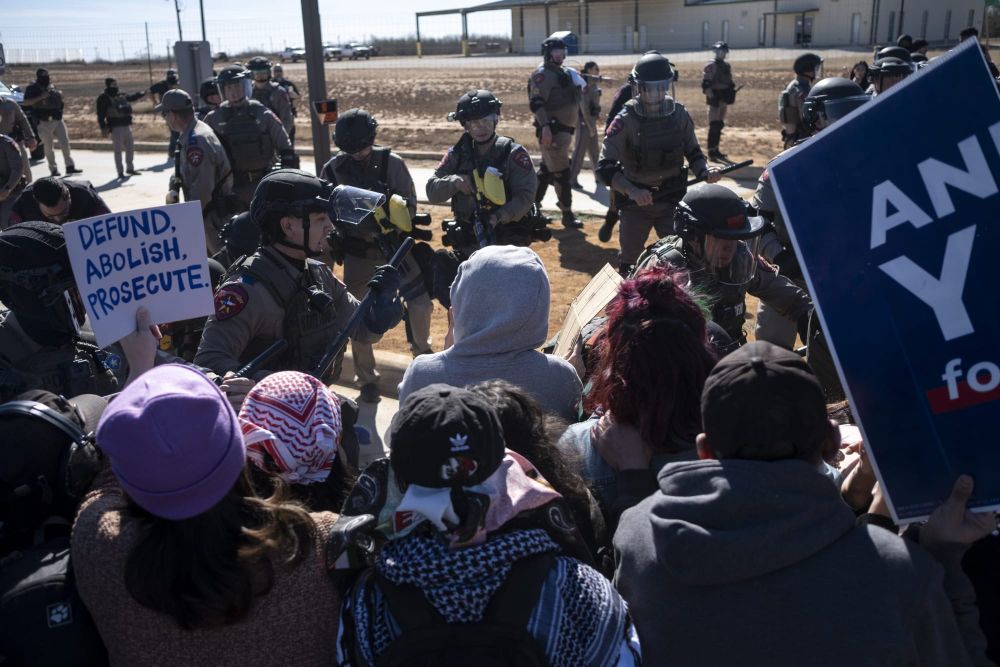
During his first term, President Donald Trump attempted to end the Obama-era program, Military Accessions Vital to the National Interest, which recruits specialists with in-demand skills. More than 4,000 immigrants joined the military through the program, and the Trump administration largely blocked the expedited naturalizations the military promises noncitizen service members. During his second term, the Trump administration has launched unprecedented attacks against immigrants in the U.S. In response, veterans are organizing.
Common Defense, the largest grassroots organization of progressive veterans, is working to prevent more stories like mine. I have had the honor of working with men such as first-generation immigrant and former Marine Ricardo Reyes, as well as disabled combat veteran Nick Paz, who embeds with exiled veterans in Mexico and Central America. Both of these veterans are longtime leaders in this fight for justice. We are working tirelessly to challenge the narrative that those who served can be so easily discarded. Ricardo, Common Defense’s lead organizer for Arizona, and Nick, an Army veteran doing critical human rights work advocating for deported veterans across Latin America, are among those spearheading efforts to repatriate deported veterans and prevent others from facing the same fate. Through organizing, public advocacy, and policy initiatives, these veterans are fighting to ensure that no one who risked their life for this country is left behind.
This fight is more urgent than ever as Trump’s proposed plans for mass deportations are in full swing. His administration’s previous actions laid the groundwork for targeting undocumented immigrants, including those who honorably served in the armed forces. These plans not only threaten to tear apart families and destroy our economy, but also betray the core values we hold as Americans. Service members take an oath to protect and defend this country, yet Trump’s proposals threaten to abandon those who have already fulfilled that promise.
My brother Ricardo Reyes is leading educational webinars for veterans from immigrant families, teaching them how to prepare and defend themselves if they are targeted for deportation. Nick Paz continues his travels throughout Latin America to find deported vets and try to bring them home. Mass deportations are wrong, and the deportation of veterans is particularly wrong—morally, strategically, and historically. The Trump administration’s actions undermine the principles that our nation claims to uphold.
Veterans, regardless of their immigration status, have already proven their dedication to this country in ways most Americans never have the chance to. To cast them aside is an affront to their service and to the ideals of justice and fairness that define our democracy. Instead of finding new ways to criminalize our neighbors, we should work to ensure that our broken immigration and asylum systems are finally fixed. The only thing this manufactured crisis on immigration is good for is increasing the profits of CEOs and corporations, at the expense of our communities and their safety and privacy.
We who served are calling on leaders and citizens alike to reject Trump’s inhumane policies and instead honor our nation’s promises to its veterans. Deporting those who served isn’t just un-American; it’s a stain on our national conscience.
Editorial Team:
Tina Vasquez, Lead Editor
Carolyn Copeland, Top Editor
Rashmee Kumar, Copy Editor
Author
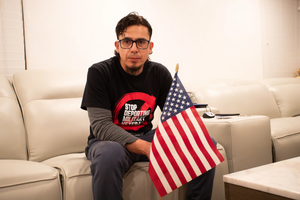
Alex Murillo, a U.S. Navy veteran and advocate with Common Defense, brings a powerful perspective to the intersection of immigration policy, military service, and justice. Deported to Mexico in 2011 d
Sign up for Prism newsletters.
Stay up to date with curated collection of our top stories.