Higher education is over-complying with White House DEI bans, say educators
University faculty and professional organizations are seeing a “chilling effect” in the promotion of diversity and inclusion programs and warn of long-term consequences
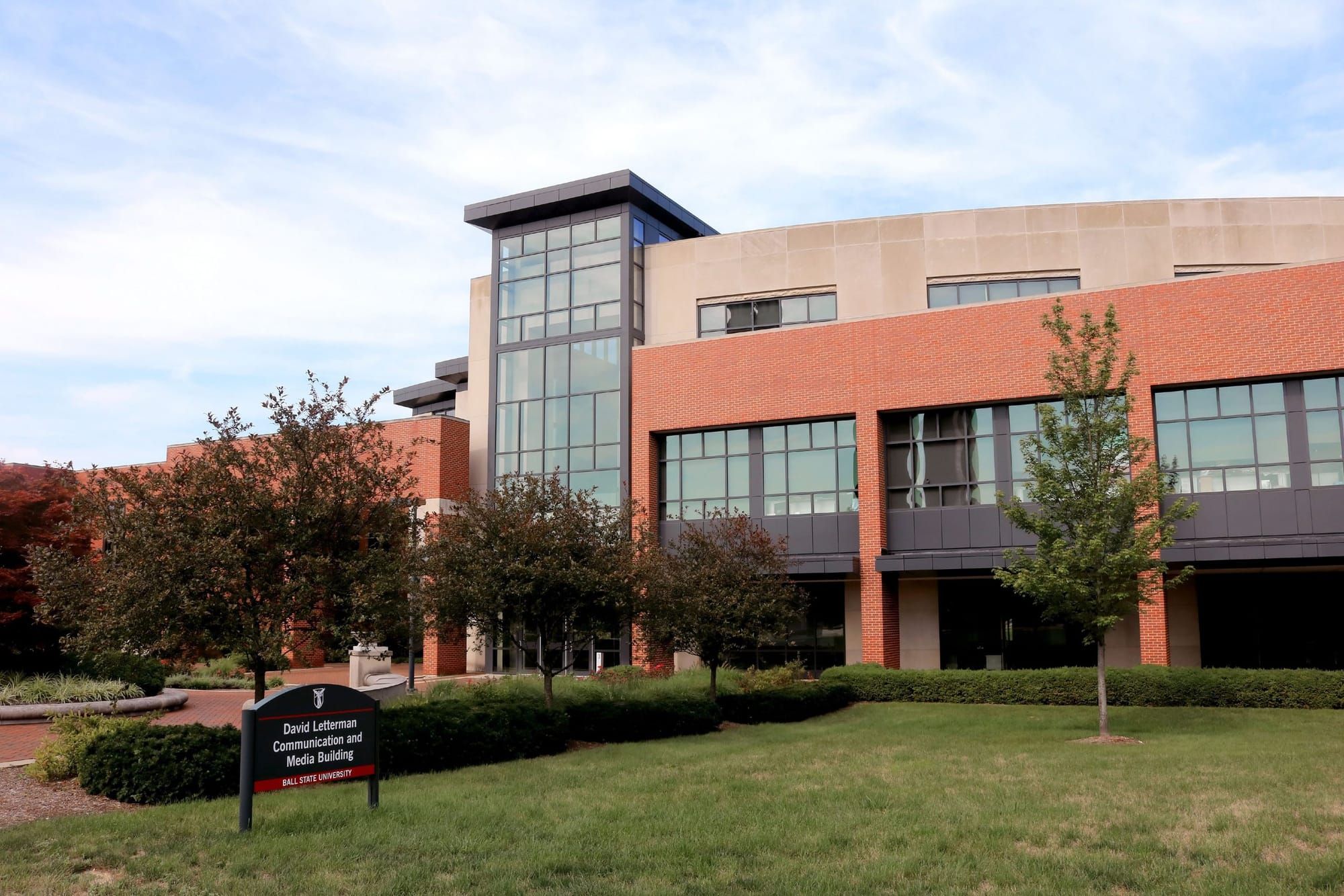
As one of few queer instructors at Ball State University, Leo Caldwell often leaves his office door open to students. He hoped his small corner of Muncie, Indiana, could be a safe space, especially for trans students. Not anymore.
In October 2024, Caldwell, an assistant lecturer of media design, was asked to organize events for Trans Day of Visibility (TDOV) for the following year.
“I was told there was a good-sized budget from a donor specifically earmarked for LGBTQ+ events. I was given an initial budget of $20,000 and told if I exceeded that amount there was potential for more,” he wrote in a personal blog post. Caldwell told Prism that his opinions don’t represent those of Ball State.
After receiving verbal confirmation of a proposed budget in December, Caldwell was informed on Jan. 23 that “all events associated with my trans day of visibility series were canceled,” without explanation, he wrote. Almost a week later, on Jan. 29, the Office of Inclusive Excellence (OIE) called Caldwell and informed him that only a keynote speaker event was canceled.
A Ball State spokesperson told Prism that this event was the only one the university chose not to pursue. “It was determined the speaking fee being sought by the individual was too high. All other planned events for Trans Day of Visibility are carrying on as planned by organizers,” the spokesperson wrote in an email to Prism.
But by February, Caldwell decided to significantly downsize the events he originally planned.
“I do not feel safe or supported to continue with the other events due to the administration’s inability to confirm agreements in writing,” he wrote in his blog post.
Though the situation was not a direct attack on the queer community, Caldwell told Prism that he feared institutions were taking anticipatory action toward diversity, equity, and inclusion (DEI) programs contingent on legislation not yet passed. He pointed to the university’s cancellation of a faculty development session, titled “LGBTQ+ 101,” according to an internal email from the OIE.
When asked for comment about the session’s cancellation, the spokesperson referred to previous responses from the university reported earlier this year: “Leadership of the Office of Inclusive Excellence at Ball State felt it was prudent to pause this session until there is further clarity.”
Caldwell told Prism that he’d like to see more communication from the university in support of its LGBTQIA+ community. “As an out trans faculty that is [at] high risk already in a state that’s red, I felt a sense of nervousness lately about even my office door being open,” he said.
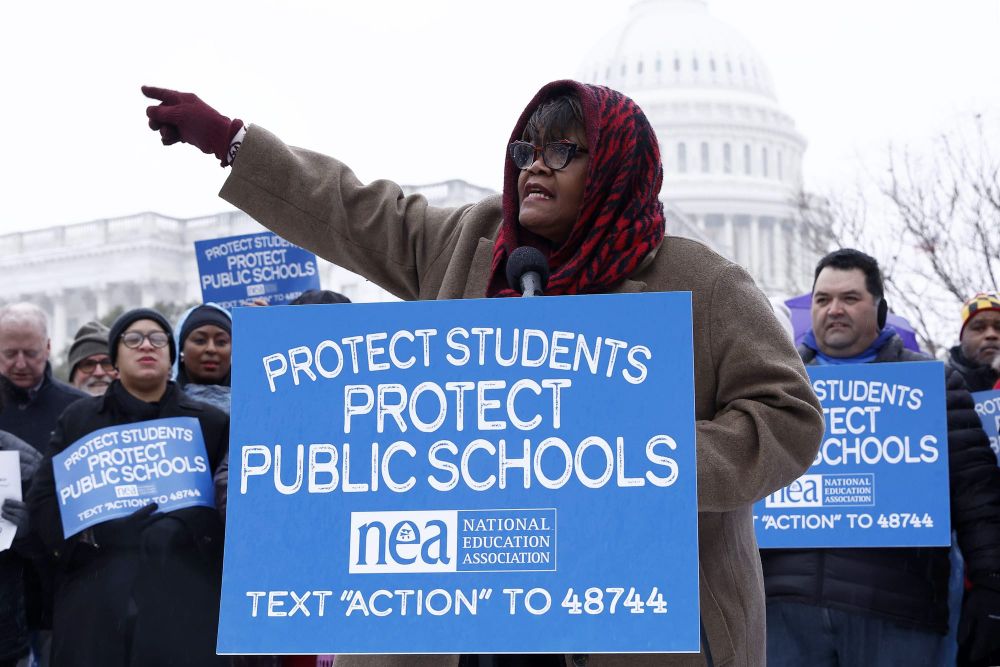
According to Caldwell, Ball State’s actions are reflective of higher education’s ambivalent response to murky directives from an executive order issued on President Donald Trump’s first day in office. Statements from the White House pledge, among other actions, to end “illegal DEIA” policies, referring to diversity, equity, inclusion, and accessibility-related initiatives. The administration promised to investigate universities with endowments larger than $1 billion and “issue guidance” to recipient institutions of federal grant funding. Trump canceled $400 million in federal funding for Columbia University over its handling of anti-genocide protests on campus, though the university has since agreed to most of the president’s demands to restore the funding.
Some universities have already taken action: For example, Harvard University fired the DEI head of its dental school and the University of Virginia dissolved its DEI office. Many others have resorted to more anticipatory approaches by removing DEI language on their websites, including Columbia, the University of Pennsylvania, and the University of Colorado system.
Others, such as Princeton University, remain cautious yet steadfast, tentatively urging faculty and students to “keep calm and move forward.” Princeton President Christopher Eisgruber reaffirmed support for academic freedom in an editorial for The Atlantic nearly a month later, signaling that some schools seek to sustain support for students’ rights. Similarly, Oregon State University similarly defended its DEI-related programs, describing them as “fully compliant with all state and federal laws.”
Faculty members, who often act as student confidants, are facing mounting pressure alongside institutions.
We are nervous to share and talk about diversity and inclusion in a way we used to.
Leo Caldwell, Ball State University assistant lecturer
“I think it’s created a chilling effect amongst faculty, and we are nervous to share and talk about diversity and inclusion in a way we used to, and we don’t. We have backed away from that kind of language,” Caldwell said.
He isn’t alone. Since Trump’s recent flurry of executive orders, organizations across the education sector have also filed complaints against the White House’s actions. One such group, the National Association of Diversity Officers in Higher Education (NADOHE), filed a lawsuit on Feb. 3 alongside three other plaintiffs against agencies, including the Department of Education and the National Science Foundation.
NADOHE President Paulette Russell contextualized the “chilling effect” that Caldwell referenced as a phenomenon often seen when “a law is either too broad or too vague.” No federal legislation banning DEI programs has been passed, but the effects are already noticeable.
The vague language of the executive orders, Russell said, largely scares universities into creating excessive measures out of fear of retribution, a clear violation of the First Amendment. The NADOHE lawsuit also alleges infractions to the Fifth Amendment of due process.
“[The Fifth Amendment] requires something other than these vague references so that people and institutions have an understanding of what they’re expected to do to comply with these executive orders,” she told Prism. “In the absence of being certain that what we’re doing is in compliance with an executive order or a state bill, there’s a tendency to overreact or over-respond, and efforts that might otherwise be lawful are being dismantled.”
When millions in funding are jeopardized—as the government has indicated it is capable of doing to Columbia—institutions may be more than willing to comply.
Concerns surrounding anti-DEI sentiments, however, started long before January, and before even the 2024 election campaign.
“Some will call it a backlash to the progress that has been made over the last 70 years to advance diversity on our campuses,” Russell said. She pointed to a report from the conservative think tank Manhattan Institute for Policy Research published in January 2023 as reflecting the stronghold of anti-DEI sentiments before the executive orders.
The Chronicle of Higher Education released a tracker of actions taken at both a statewide and institutional level, totaling 12 states that have signed bills targeting DEI initiatives. States like Florida, whose governor introduced legislation in 2023 that impeded public universities from spending funds on DEI, reflect longstanding opposition.
The aftermath of the 2024 presidential election saw an uptick in the number of anti-DEI legislation introduced in primarily red states. According to the Chronicle of Higher Education, more than a dozen states have bills targeting DEI initiatives in 2025. In January, Wisconsin Rep. Tom Tiffany proposed the “FAIR Act of 2025” to Congress, threatening to withhold funding for universities that promote DEI.
“We’re now seeing the connection between both the state-led efforts and now the federal efforts to dismantle the last 70-plus years of progress,” Russell said.
In Indiana, a bill targeting colleges that lawmakers felt were too “liberal” was passed in 2024, heralding “intellectual diversity” and allowing students to report faculty and contractors who failed to do the same. “I think that it’s also created this environment of fear,” said Caldwell, in reference to the complaint system that universities are required to have set up.
However, no legislation has been passed that bans DEI initiatives, such as TDOV or a canceled faculty LGBTQIA+ seminar at Ball State several months ago.
“So why are we preemptively complying?” Caldwell said. “That makes me really nervous as a trans faculty, and it’s sending a really loud message to me and other queer folks in the community, students, faculty, staff, saying that they’re willing to hide us to maintain funding before they even need to.”
The future of DEI programs remains at risk and jeopardizes a nation that benefits from an increasingly diverse workforce, Russell said.
“We need to be able to provide students with the opportunities for engagement and dialogue across cultures, which is foundational to a well-equipped workforce, as well as what we call a healthy democracy,” she said. “All of that is at threat right now.”
Editorial Team:
Sahar Fatima, Lead Editor
Carolyn Copeland, Top Editor
Rashmee Kumar, Copy Editor
Author
Maggie Yan is an independent journalist based in North Carolina. Her reporting covers a broad range of topics, ranging from culture to LGBTQIA+ communities. When not reporting, she enjoys exploring th
Sign up for Prism newsletters.
Stay up to date with curated collection of our top stories.