The need for more immigration attorneys in the Deep South was already urgent. After the SPLC layoffs, it’s a full-blown crisis
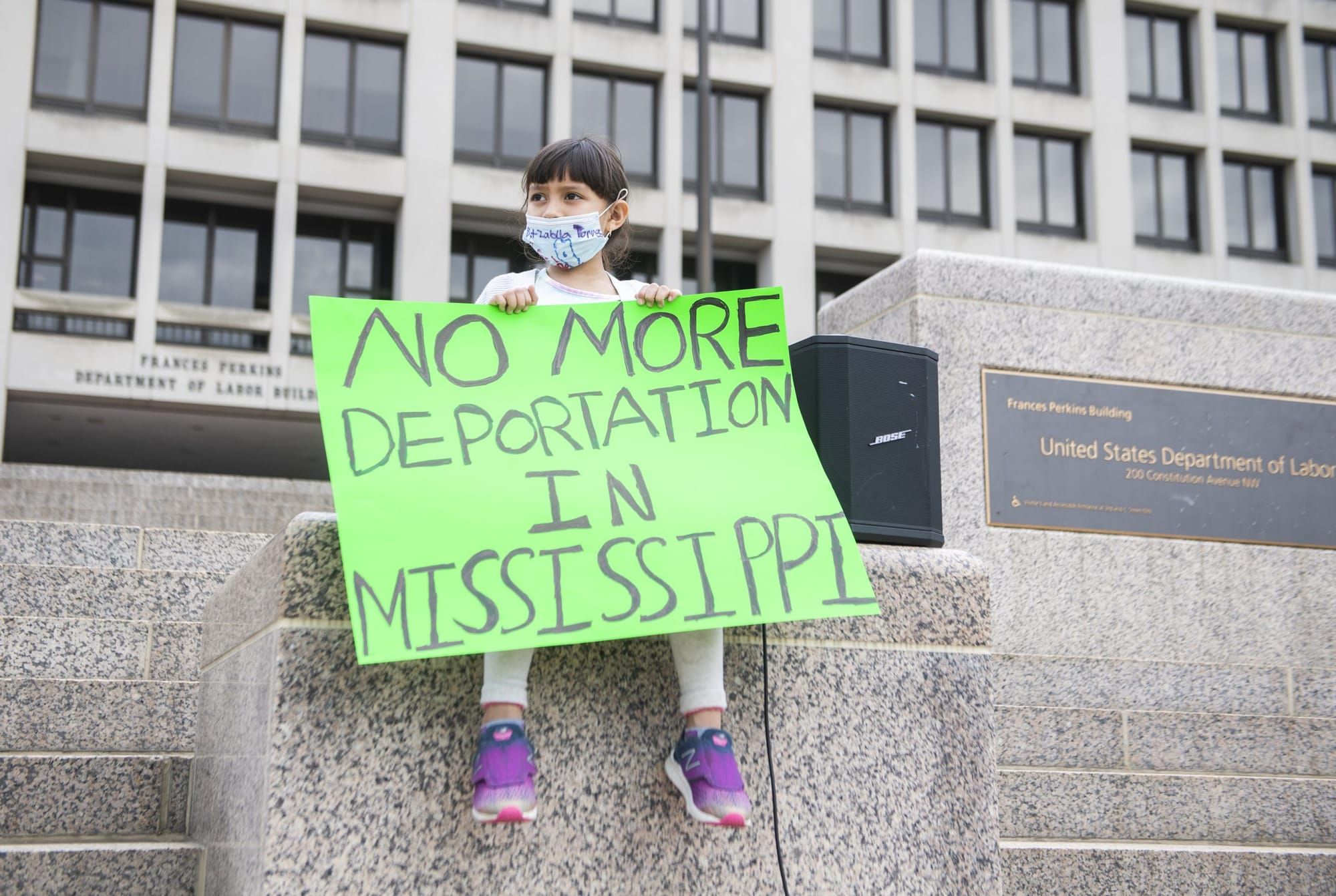
The immigrant rights movement in the Southeast was dealt a severe blow on June 12 when the Southern Poverty Law Center (SPLC) abruptly laid off more than 70 workers and shut down its Southeast Immigrant Freedom Initiative (SIFI).
Removing the only program primarily dedicated to legal representation for thousands of immigrants held in inhumane detention centers in Georgia, Louisiana, and Mississippi has deadly consequences.
While some anti-immigrant groups are celebrating, removing dozens of immigration attorneys from the Southeast means that immigrants jailed in one of the most underserved areas of the country will be left alone to defend themselves in court. They will do so in a region in which local law enforcement and federal agencies have near uncontested authority to run roughshod over immigrants—including breaking their fingers to get them to sign documents and subjecting them to unwanted hysterectomies.
As the executive director of the Amica Center for Immigrant Rights (formerly known as CAIR Coalition), I believe that immigration detention is cruel, ineffective, and should not exist. Until that day, however, people detained by Immigration and Customs Enforcement (ICE) should have trained and competent legal counsel by their side.
The stakes in immigration court are high—especially for asylum-seekers. A judge’s decision can literally mean the difference between life and death. In addition, since there is no federal public defenders’ service for people in civil immigration court, the need for pro bono legal services is acute, and the supply has never come close to meeting the demand.
Attempting to fill the gap is a network of legal services providers—including already overburdened Georgia nonprofits with existing work outside of detention—but the SPLC’s actions deliver a devastating blow to groups already hanging on by a thread. By laying off dozens of immigration attorneys, the SPLC leaves people currently detained by ICE in Georgia, Mississippi, and Louisiana back where they started, navigating a complex immigration system and high-stakes court process alone in a language not their own. I am saddened by this turn of events, but I am buoyed by the resolve heard in meetings with national and local groups that are ready to chip in their limited time and bandwidth to help.
At Amica Center, we focus on providing free legal services to adults and children detained by the government. Based in Washington, D.C., we typically work with clients from D.C., Maryland, and Virginia and operate an impact litigation program down the East Coast and into the Midwest. We also have a small number of clients detained in Georgia, which has helped us understand the challenges in the region—including the lack of resources, despite the considerable efforts of local advocates. We know what it’s like to cobble together funding to help immigrants in detention, as do our peer groups around the country. We can all see that what is about to happen in the Southeast is a tragedy.
Now is the time for providers and funders to invest in legal services in the Southeast. With a robust investment and trustworthy partners who already understand the unique legal landscape, philanthropy can help rebuild what has been dismantled and create an impenetrable legal defense machine for immigrants in the region.
Lost among the political machinations of recent years is the fact that immigration detention is a bipartisan business. Politicians argue about the Biden administration’s border and asylum bans and legal pathways. Still, the cruel backdrop to all of this is incarceration—a financial boon for private corporations as well as local governments, both of which benefit significantly from detaining immigrants.
Right now, more than 37,000 people are held in more than 200 immigration jails across the U.S. Before the pandemic, that number exceeded 55,000. Depending on the election outcome, we could easily exceed these already devastating numbers.
Despite a marked increase in anti-immigrant rhetoric and xenophobia, the pro-immigrant legal rights movement is severely underfunded. Funding to provide legal services for detained immigrants is even more scarce. Federal funding is available but severely limited and often focused on delivering “know your rights” presentations, not direct legal representation.
Local government funding is gaining ground in progressive states but not in the reddest areas of the country—like the Southeast—where immigrants are racially profiled, arrested, incarcerated, and deported daily without ever speaking to an attorney. The urgent need for more attorneys in the Deep South is now an emergency.
Georgia immigration detention centers rank fifth among all states in the total number of people behind bars. It is second only to Louisiana for detention numbers in non-border states. Georgia and Louisina also rank eighth and 14th, respectively, in the country for the number of detained immigration cases. Immigrants incarcerated in these states and in Mississippi will now largely fend for themselves once the SPLC’s programs shutter in September.
The goal moving forward should be to stem the loss of these layoffs and build a sustainable legal network for immigrants in these states, which requires establishing a permanent home for staff. This could be done in partnership with an existing service provider that can supply immediate administrative support and oversight or through a new initiative. Whatever the solution, it must be framed by and with the few remaining service providers across Georgia, Louisiana, and Mississippi and entail hiring former SPLC attorneys and staff.
The trauma and distrust created by the SPLC layoffs make long-term partnerships even more vital. Staff need to know their jobs defending individuals in some of the toughest immigration jails and courtrooms in the country are secure and valued. As for immigrants who are detained, they need to be able to trust that they will not be forgotten and left to fend for themselves.
Fairness, freedom, and respect for human rights should be at the core of our immigration system. But our current system wasn’t created to uphold these values. Instead, people are routinely separated from their loved ones, deprived of their freedom, and sent before immigration judges without counsel.
It’s time to change the calculus by investing in direct immigration legal representation and impact litigation. Instead of the Southeast being an example of right-wing nationalism in action, let’s continue building upon the existing foundation and make it a model for immigrant defense.
Author

Michael Lukens oversees the legal and operational programs at the Amica Center for Immigrant Rights, including all client-facing services, the volunteer and pro bono programs, and the People and Opera
Sign up for Prism newsletters.
Stay up to date with curated collection of our top stories.