Cornell University cancels de-enrollment plans of Ph.D. scholar following student backlash
Following widespread support and an appeal process, Momodou Taal can continue his studies and stay in the U.S. with some restrictions

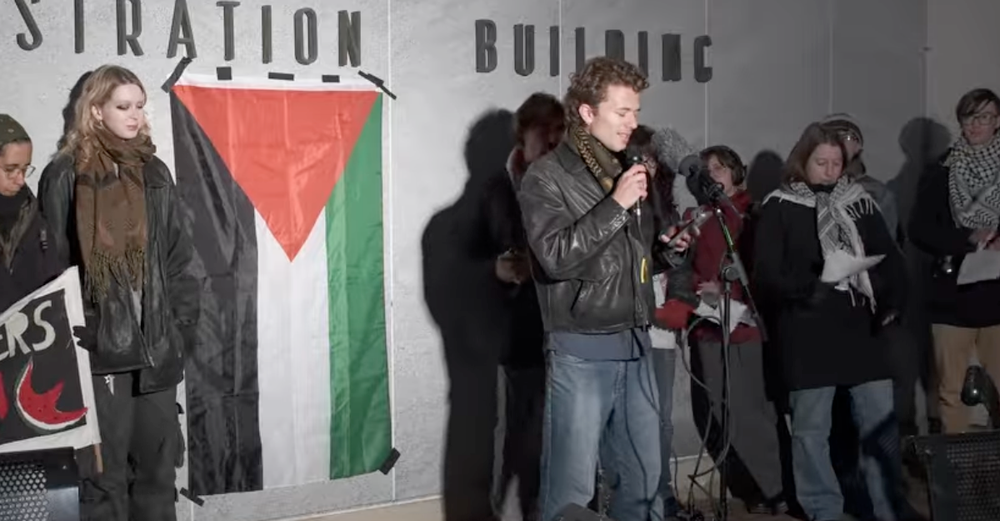
A Ph.D. scholar at Cornell University has won a partial victory in his battle against de-enrollment and deportation. Momodou Taal was suspended on Sept. 23 for participating in a career fair protest against weapons manufacturers. Cornell’s administration also told him that he would be de-enrolled and, as a result, not be able to teach classes and that his F-1 student visa would be terminated. However, after an extensive appeal process and pressure from students and organizers, the university has agreed to let him remain enrolled and continue his studies remotely, thus preserving his visa status.
Taal’s appeal process had two levels. The first was to the Vice President of Student and Campus Life Ryan Lombardi, who rejected his appeal after one business day, and the second was to appeal to the provost.
“[The provost] decides, basically, if there is a way to not impede my studies while still respecting the concerns of the administration,” Taal said. The decision, in this case, was that he would remain enrolled at Cornell, and can continue finishing his dissertation remotely, but would not be allowed to teach and still be considered persona non grata on campus.
“This is a drastic shift from their position just two weeks ago, in which they were determined to see me removed from the U.S.,” Taal wrote on X. “We also know that there are several outside forces who are applying pressure to ensure my removal, but we have prevailed thanks to all those who wrote in, signed the petition, and applied pressure.”
This pressure has come in the form of a petition with more than 10,000 signatures demanding his reinstatement, which was created by the Cornell Collective for Justice in Palestine (CCJP), according to Middle East Eye, faculty mobilizations on campus, people calling in from outside institutions, and even Bernie Sanders posting on X about this situation.
According to a Memorandum of Agreement that the university signed with Cornell Graduate Students United-UE this past July, “The University agrees to bargain with the Union over the effects of any decision to discipline a bargaining unit member to the extent that such decision impacts their terms and conditions of employment.” De-enrollment and suspension from employment are listed as examples of such. The next step for Taal to get back into teaching in the classroom is for the Cornell Graduate Students United to bargain on his behalf, a process that started on Oct. 11.
“It really seems to be a sticking point for them, like allowing him back on campus, back into the classroom, and that’s just something that’s a priority for us, a priority for him,” said Jawuanna McAllister, a graduate worker in Cornell’s Molecular Biology and Genetics department and member of CGSU-UE’s bargaining committee.
Taal is teaching a first-year writing seminar this semester titled, What is Blackness? Race and the Processes of Racialization, so this issue is intimately connected to who he is as a person and to his research and work, McAllister said, adding that Taal feels strongly about teaching. However, the email from the Interim Provost John Siliciano informing Taal of his decision regarding the appeal said that Taal would no longer be able to teach this seminar because it is not a requirement for his degree, according to a letter from the provost that was viewed by Prism.
While they did not have a timeline for how long the bargaining process with Cornell would take, McAllister added that they will “continue trying to move toward that end, getting him back into the classroom.” Taal, despite having gone through this ordeal, maintains that he will continue his activism for Palestine.
“There will never come a time where I say to myself that I went too hard for Gaza. We still haven’t done near enough to stop the genocide. It’s always and forever Free Palestine,” he wrote on X.
“I have no regrets. No regrets. No regrets,” Taal told Prism.
Author
Nayanika Guha is a journalist who focuses on writing about social justice, health, and politics. She has a MFA in journalism from NYU and a background in psychology and social work, which informs her
Sign up for Prism newsletters.
Stay up to date with curated collection of our top stories.