U.S. legislators push mandates for cooling regulations in rental housing
States and cities are implementing cooling ordinances, such as requiring ACs in rental units, to combat indoor heat deaths
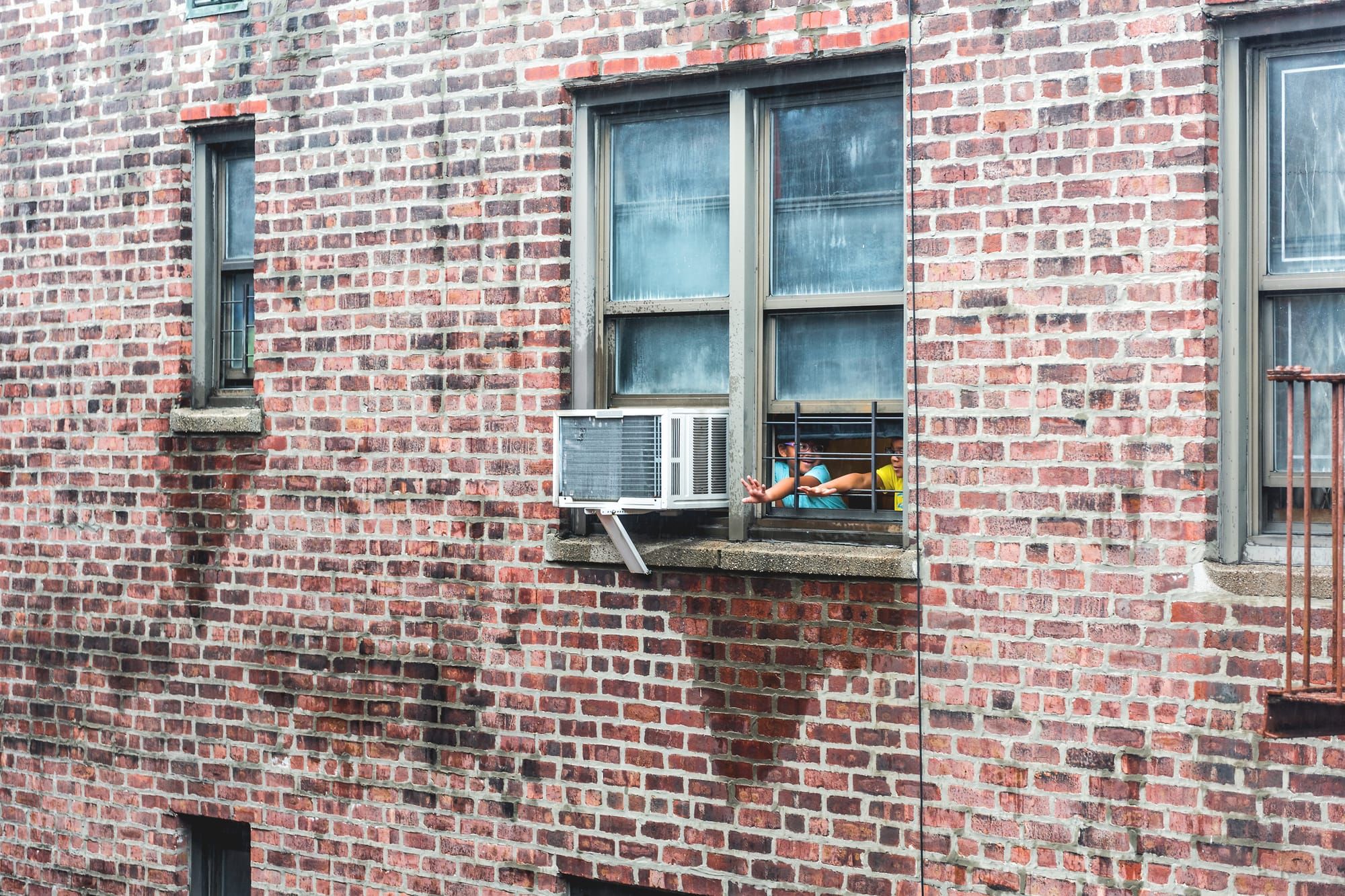
As the U.S. cools down from the hottest summer on record, housing rights advocates have a message for lawmakers: Act quickly and implement cooling legislation for rental housing.
The stakes are high as heat is the leading weather-related killer in the country, according to the Centers for Disease Control and Prevention (CDC), causing 2,325 deaths in 2023, the earth’s hottest year on record.
One way lawmakers can protect their constituents, advocates say, is to follow the model set by states such as Oregon. About 100 people in the state died during the 2021 Northwest heat dome when record-breaking temperatures—up to 121 degrees in some areas—scorched the region. Oregon passed Senate Bill 1536 the following year, which gave renters the right to cooling systems in their homes. The bill prevents landlords from barring tenants from installing air conditioning in their rental units.
“Even though it had been a longstanding issue, [the heat dome] made it very clear to everyone that it urgently needed to be addressed,” said Kim McCarty, the executive director of the Community Alliance of Tenants, a nonprofit based in Portland.
Several cooling measures related to housing have been introduced at a city level across the U.S. since the ’90s—more so in the last few years.
Las Vegas introduced landmark legislation in 1995 requiring rental housing to provide air conditioning that is able to cool the dwelling to at least 70 degrees.
Cooling ordinances took off in the mid-2010s, with more areas in Arizona, Texas, California, Maryland, Louisiana, and Washington setting up their own laws. Some places over the years have created more specific cooling standards for residential dwellings. In Chicago, that means buildings designated as housing for seniors must have at least one cooled common area when the heat index exceeds 80 degrees.
Moving cooling statutes forward in a timely fashion is a challenge, according to Edith de Guzman, the co-founder and director of the Los Angeles Urban Cooling Collaborative. This is due to “conditions that are changing more quickly than we’re able to respond to with effective policies and programs.”
Efforts haven’t always succeeded. Last year, legislators in Hot Springs, Arkansas, withdrew a bill that would have required landlords to keep units at least 15 degrees cooler than outdoor temperatures. A bill that would have required Florida landlords to provide air conditioning also died in committee in March.
Cooling laws are seen by advocates as a parallel to the well-established heating standards in housing. Across most of the U.S, landlords must keep rental dwellings “habitable” with adequate heating during colder months.
“We know that landlords are responsible for keeping people warm, but we haven’t really figured out how to do the opposite of that,” de Guzman said.
Landlords’ issues with cooling measures usually boil down to the financial implications of installing cooling units, as well as building safety and aesthetics. Before the law passed in Oregon, it was common for McCarty and her colleagues to get complaints about AC access from tenants, including those with medical conditions.
Landlords also brought up worries about damage to windows or potential water-related issues.
“It’s not to say that some of these concerns were not legitimate, but sometimes they were an unnecessary barrier,” McCarty said.
Depending on the municipality, landlords may become accountable for ongoing maintenance of ACs or swamp coolers under the new rules.
Part of the reason why cooling ordinances are quickly popping up is because of shifting climates. New York City, for example, was considered a humid continental climate until 2020, when it was reclassified as humid subtropical.
Tackling cooling at the housing level is vital because heating deaths often occur indoors. Research shows the majority of people who die of heat stress in NYC perish in homes without air conditioning.
Lawmakers across the country have attempted to address the issue. Brooklyn Councilman Lincoln Rester is one of the latest legislators to advocate for a cooling ordinance in his district. Extreme summers in Austin, Texas, have led to a proposed building code update requiring ACs in residences. LA County supervisors have taken steps toward proposing a cooling mandate. California’s Department of Housing and Community Development is pushing for an 82-degree indoor temperature limit at the state level, according to Enrique Huerta, the legislative director at Climate Resolve, a Los Angeles-based environmental nonprofit.
In the meantime, without adequate temperature regulations, renters take cooling measures into their own hands.
“When it gets really hot in the San Fernando Valley, It’s not uncommon to see our neighbors using their water hose to wet down the exterior walls of their home in an effort to cool them off,” Huerta said. “And that just blew my mind that not only were they taking these extraordinary steps to cool down their homes, but that they were wasting a precious resource—which was potable water—in the process of doing that.”
The strongest opposition for indoor heat legislation usually comes from the rental housing industry. In LA., that includes the California Apartment Association and the California Building Industry Association.
“They’re very, very powerful industries with a lot of sway with legislators and the governor,” Huerta said. “They’re primarily the reason why Assemblymember Richard Bloom’s bill was killed in Senate Housing Committee.”
Huerta said that the California Apartment Association continuously campaigns to dismantle extreme heat bills.
“They’re reaching out to the author’s office and having them amend the bill to include language that says no indoor maximum heating standard will take effect that is more stringent than anything that the state adopts,” he said.
The California Apartment Association did not directly respond to Prism’s questions about this, but did share a floor alert they issued to Califonia assemblymembers, requesting they “vote no” on AB 2684, an extreme heat safety bill. It said, in part, that mandatory indoor air conditioning in existing buildings “is not only expensive but virtually impossible for older buildings. The important considerations for heat mitigation will certainly be cost barriers for existing buildings and electrical utility capacity limits.”
Leaders at California Apartment Association also wrote Governor Gavin Newsom requesting that he veto the bill.
As policies continue to develop around cooling, advocates have some recommendations to make the process equitable. Huerta thinks getting better housing data is a good place to start, including researching how many dwellings in LA County have AC access and how many homes are properly weatherized. It’s additionally critical to ensure new cooling improvements don’t end up driving out existing tenants.
“We are concerned that those expenses are either going to be put on the tenant in the form of a higher rent increase or that the improvements are so expensive that the landlord is driven to explore renters that can pay more rent,” Huerta said.
The need to prevent indoor heat deaths will only grow as temperatures are predicted to continue rising.
“It’s a complicated issue, but it’s one that we know can have a really pronounced impact on saving lives from being lost during extreme heat events,” de Guzman said.
Author

Jill Webb is a Brooklyn-based award-winning journalist and audio producer. She mainly covers mental health, the environment, and labor issues. Her work can be found at www.jillmwebb.com.
Sign up for Prism newsletters.
Stay up to date with curated collection of our top stories.