Creating community care when the system shuts you out
My experience with chronic illness led me to community support systems when the U.S. health care system failed me
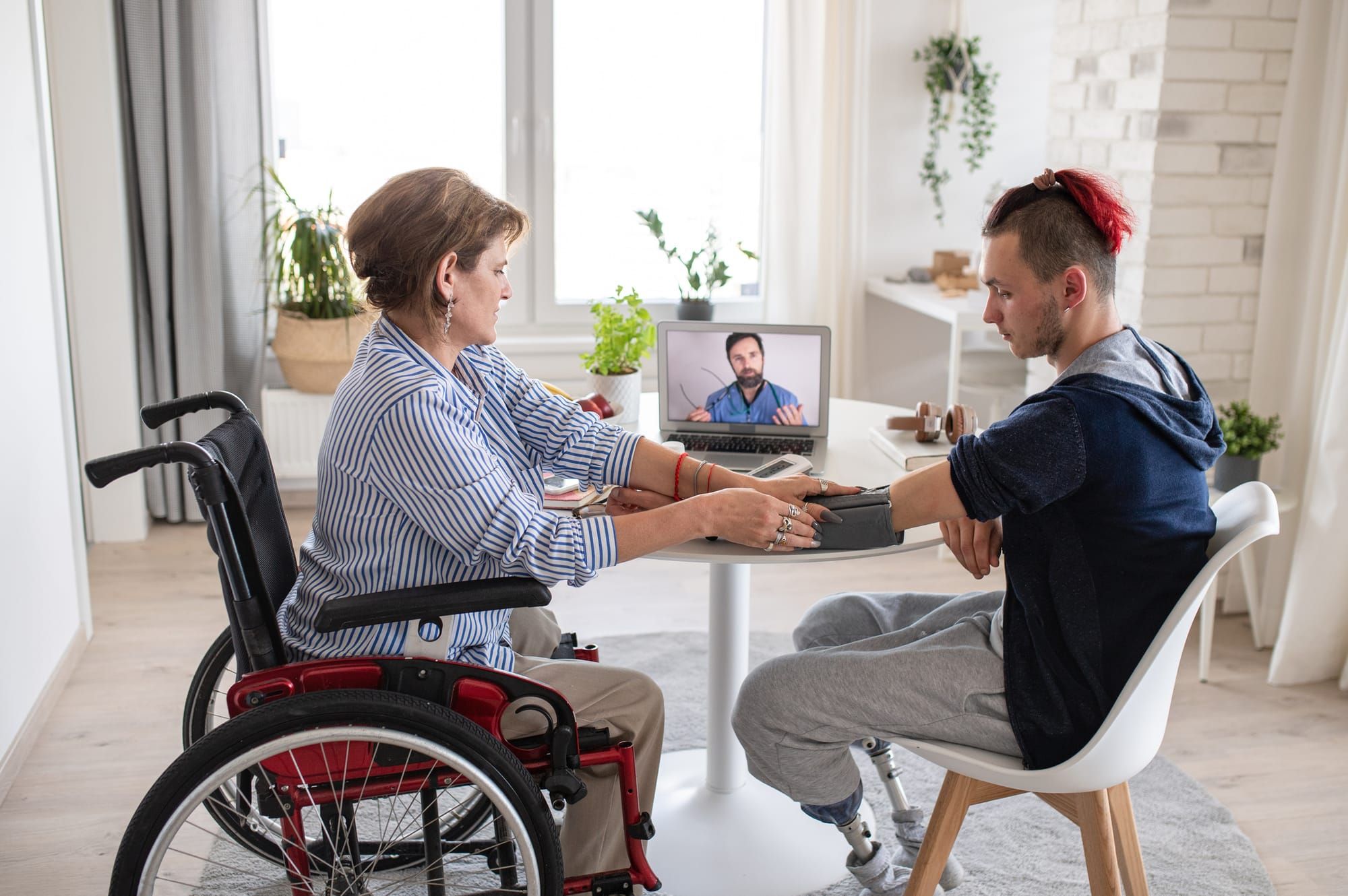
Amid rising concerns about cuts to Medicare and a raging outbreak of measles, people already managing health issues are finding themselves on the front line of an impending health care crisis.
The U.S. ranks the lowest in health care compared to other high-income countries, despite spending the most on care. Concerns about health care are wide-ranging and affect people across the political spectrum, class, race, and gender.
In its potential decimation, Medicare and health care access as a whole are showing themselves as nonpartisan issues.
“People of all political persuasions, races, and geographies scramble to finance their health care,” wrote Astra Taylor and Hannah Appel of the Debt Collective, a union of debtors fighting medical, education, and housing debt.
Right now, the majority of Americans do not support cuts to Medicare. Many find themselves turning to community care mechanisms to address the gaps in health care. My own recent experience managing an illness showed me exactly how crucial these community supports can be.
Finding care online and in person
Forums, mutual aid networks, and online and in-person spaces existed long before today’s political crisis. These resources tend to be the only ones that some people can even access, especially individuals whose conditions are expensive or impossible to find care for for financial, logistical, or other reasons.
I first stumbled onto the online networks for chronic illness because I couldn’t get a doctor. I had recently been diagnosed with rheumatoid arthritis, an autoimmune disease that affects about 1% of the U.S. population. A shortage of rheumatologists, especially in the South, meant that I couldn’t find a specialist for months.
My hands wouldn’t close, and I was trying to find out what I could do about this new, terrifying illness that is so easily confused with another debilitating—but dramatically different—illness, osteoarthritis. Confused by the misinformation I was finding and demoralized by the neglect I saw in the health care system, I turned to the user-generated internet. Immediately, I was welcomed with open arms and a wealth of information.
Reddit alone has a rheumatoid subreddit of 30,000 people sharing advice, photos, tips, and concerns about the illness. The #chronicillness tag on Instagram includes hundreds of thousands of posts, some funny, some informative, some providing needed human connection. Delving deeper, I was brought into a new world: mutual aid networks, YouTube channels, and other niche websites to get the information I needed.
Once I finally received treatment, and after having to switch medications, my new biologic medication for rheumatoid arthritis cost $8,000 a month without insurance. In dealing with the costs, I was able to find threads and Q&As about ways to reduce the cost of the medication and deal with barriers from medical professionals and pharmacists. These spaces, populated entirely by individuals who seemed to care, supported me and many others.
Chronic and confusing illnesses can lead to feelings of isolation, and these spaces provide the connection and care so many need. However, community care in health doesn’t just show up online.
Abortion funds are born out of need, a vast network of support available for people who are pregnant to be able to get reproductive care now that 19 states have passed bans or restrictions. Groups like the Midwest Access Coalition (MAC) provide the practical support needed to get an abortion, like travel, logistics, accommodation, child care, and other incidentals.
These basic necessities can make or break a person’s capacity to get the abortion they need, especially if they can’t afford to take a sick day, said Alison Dreith, director of strategic partnerships at MAC.
Alongside these funds, local community health centers, harm reduction facilities, and nonprofits like Sueños Sin Fronteras that share posts for health care costs all find ways to help people in need and call on the community to come together.
Motivated to act
People’s motivations for participating in these support groups vary based on their experience. Fannie Moon, a leader of Bluff City Mask Bloc, a Memphis-based group that provides free masks and personal protective equipment to anyone in the mid-South, started by sharing deals she found online for cheap equipment during the height of the pandemic, which turned into purchasing and distributing them.
“A major part of why COVID has gotten so bad is because of prioritising profit over people,” Moon said.
After UnitedHealthcare CEO Brian Thompson was shot and killed in December, speculation ran wild about the motives. Charged in the case is Luigi Mangione, who has become somewhat of a folk hero among social media users, particularly after his own writing about American health care was publicized. While some may celebrate the idea of vigilante justice, many turn instead to other outlets and ways to help.
For some, it’s organizations that already exist for care. Dreith knew the challenges of trying to access an abortion in the Midwest, such as having to cross state lines and travel from Missouri to Illinois for care.
“I know that for so many people who need the same care, it’s not an option,” she said. “I’m honored to be able to do this work in such a crisis and continue to fight, so this isn’t the next generation’s reality.”
Many of these people and spaces evolve as they gain following and status. Chronic illness influencer Nicole Pedra said in a recent Instagram post that sharing her chronic illness journey “has been one of the most impactful experiences of my life,” after keeping her multiple sclerosis a secret for most of her life.
Similarly, MAC has found itself supporting people across 30 states, although initially it was focused just in the Midwest.
Missing information and forgotten people
Mutual aid and community care allow for a sense of solidarity needed to deal with otherwise isolating experiences. But in some ways, these networks serve as support that medical professionals and the government should provide.
After all, much of the information people need is simple and practical, and many of these channels can provide the right or needed information, answer questions, and help navigate people who are sick to the right services.
These networks also provide information for carers and loved ones supporting people with illness. Memes share information about what fatigue looks like for people with illness, how endometriosis impacts the body, and how partners can be more supportive.
People who drive these spaces may do so for various reasons, but all of these supports exist because there’s a visible gap. The majority of people who access support on the online forums or channels, like the ones Moon and Dreith are part of, are working class, BIPOC, and living in remote and regional areas. Some are among the 100 million people in the United States burdened with medical debt.
As the health care industry continues to degrade, community care might grow to become the best available option for many. How sustainable that is in a for-profit system raises concerns.
“We need to make sure finances aren’t a barrier to access care,” Dreith said. “We just can’t go back. We’ve already left so many people behind.”
Editorial Team:
Sahar Fatima, Lead Editor
Carolyn Copeland, Top Editor
Rashmee Kumar, Copy Editor
Author

Umme Hoque is a writer, editor, and organizer. She's passionate about writing about and investigating issues for low-income workers and communities of color, lifting up the experiences of those who ar
Sign up for Prism newsletters.
Stay up to date with curated collection of our top stories.