Columbia students speak out about suspension over pro-Palestine event
The suspensions prohibit the students from attending classes, extracurricular activities, and entering Columbia’s campus without prior arrangements
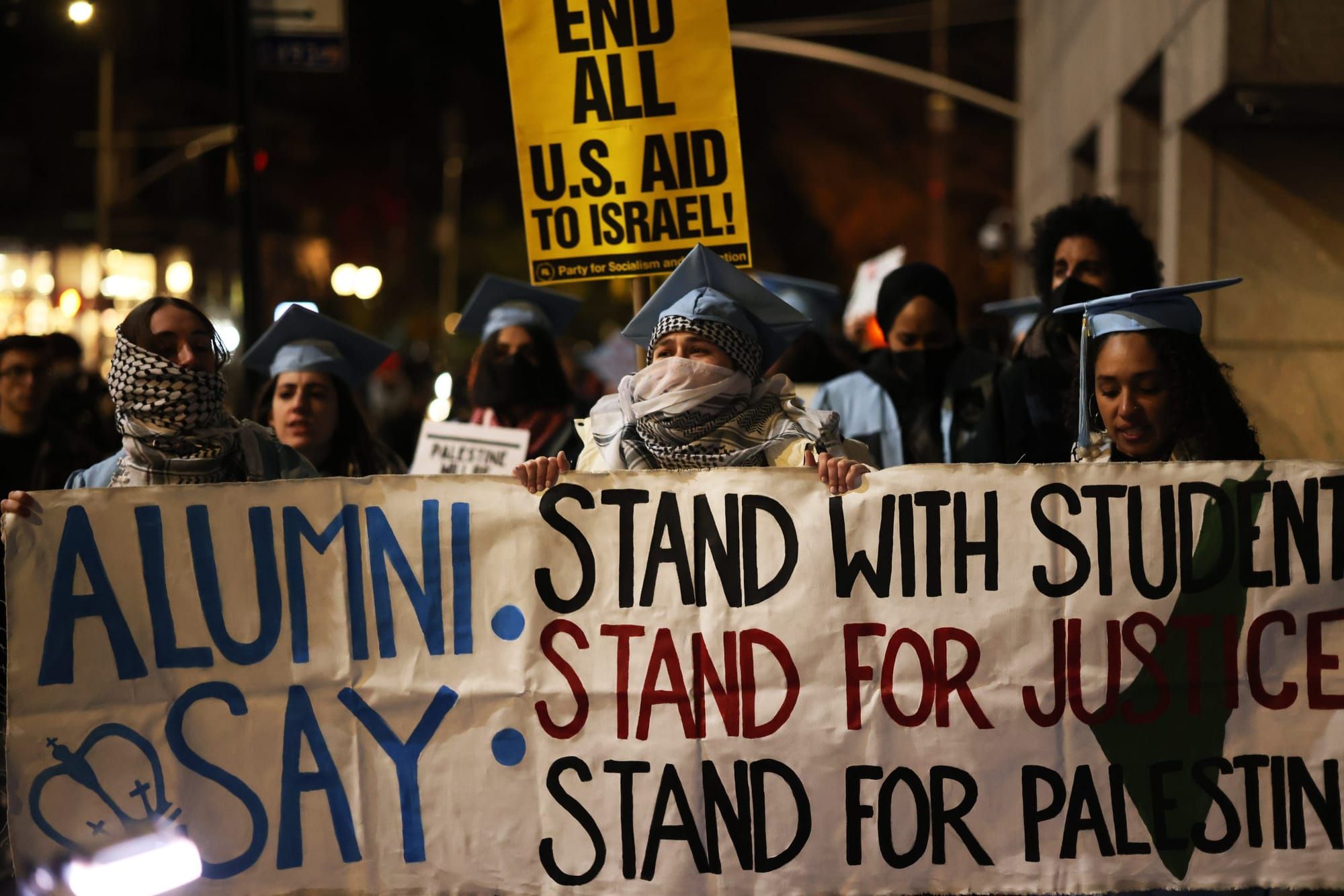
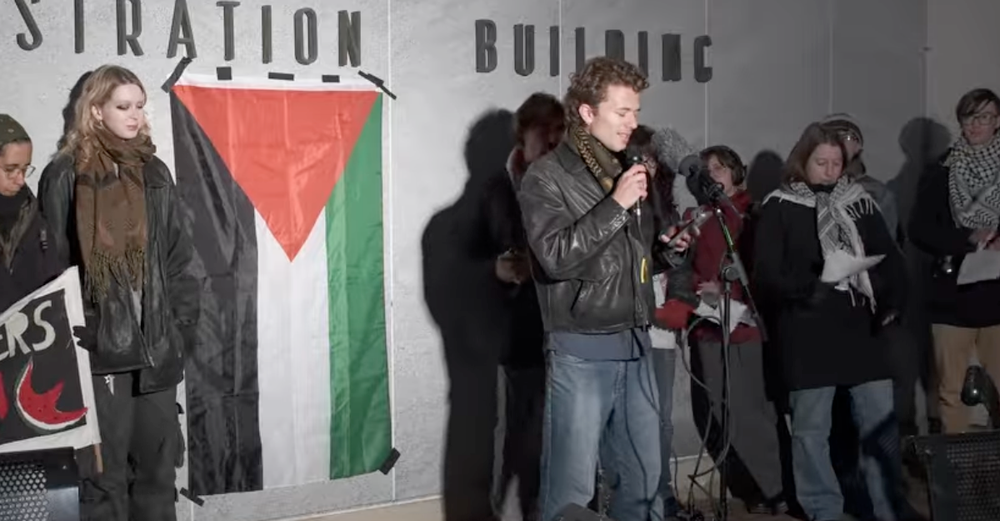
Columbia University suspended at least four students last week for their alleged role in holding an unauthorized Palestine Solidarity Month event in campus housing.
The suspensions prohibit the students from attending classes, participating in extracurricular activities, and entering campus grounds without prior arrangements. The students also received 24-hour notice of eviction from campus housing.
The unauthorized event, titled “Resistance 101,” took place on Mar. 24 and featured a video call with Canada-based Palestinian writer and activist Khaled Barakat, an alleged member of the Popular Front for the Liberation of Palestine who has since denied affiliation with the group. In a statement on Mar. 28, Columbia’s Chief Operating Officer Cas Halloway announced that Columbia immediately notified law enforcement about the event, launched an investigation, and banned the speakers from campus.
Aidan Parisi, a graduate student at the Columbia University School of Social Work and one of the students Columbia suspended, said the suspended students received a series of emails from Halloway stating that they must participate in an investigation or would receive an interim suspension. Parisi declined to participate in the investigation because they felt it violated their rights.
“I was not provided any context as to why I was needed or what the investigation was specifically about,” Parisi said. “I was given blanket statements and felt that this was not a just process and they were conducting an arbitrary investigation into student organizing.”
On Apr. 3, Columbia issued its first round of suspensions alongside email notices telling students to vacate housing within 24 hours. Since receiving the notice, Parisi has not left their campus apartment. It’s unclear if the other suspended students have remained on campus. In New York State, evictions are only legal if a property owner has obtained a judgment of possession from a court.
“I did not comply with this ask because it is an illegal eviction,” Parisi said. “I have state protections to not be illegally evicted within 24 hours. They have to follow the legal process.”
Parisi said Columbia had rejected their suspension appeal and request for emergency housing. Parisi also said the notice of eviction has made them unable to leave their home out of fear of an illegal lockout. Due to their suspension, they’ve also lost access to their primary medical care and drop-in services on campus.
On Apr. 2, two days before a planned demonstration on Apr. 4 to protest the Israeli military’s siege of Al-Shifa hospital, Holloway emailed dozens of student organization leaders who are members of Columbia University Apartheid Divest to tell them that the protest would be in violation of university policies.
On Apr. 5, Columbia University president Minouche Shafik confirmed that a number of students had been suspended, adding that the university would continue to discipline students who participated in unauthorized protest activity.
“Yesterday, students, faculty, and other members of our community chose to hold an unapproved event near academic buildings in violation of our rules and policies,” Shafik said in a statement. “We are in the process of identifying participants and they will face discipline under our policies.”
Shafik is scheduled to testify in front of the House Committee on Education and the Workforce on Apr. 17 in a hearing titled “Columbia in Crisis: Columbia University’s Response to Antisemitism.” After a similar hearing held in December, the presidents of Harvard and the University of Pennsylvania were forced to resign after being seen as insufficiently tough on pro-Palestine protestors. Some students believe that Shafik’s recent crackdown is part of an effort to improve her image ahead of the hearing.
“I don’t think that it’s coincidental that Minouche Shafik’s hearing is coming up in a number of days,” Parisi said. “I think that Minouche Shafik is willing to risk the financial, housing, food, and medical security of her students to save her own job.”
Parisi added that, because of Columbia University’s investments in Israel, any critical thinking or outward public action against genocide in Gaza is seen as a threat to the school’s political and financial interests. Columbia’s chapter of Students for Justice in Palestine (SJP) issued a similar sentiment in a press statement on X, formerly known as Twitter, saying that student interests would always come secondary to those of pro-Israel donors. Many of the student actions have been aimed at pushing the university to divest from companies profiting from Israeli apartheid.
“Until Columbia fully divests all of its finances from companies and institutions that profit from apartheid and Israeli occupation, there will be no semblance of free speech on campus,” Columbia SJP said in a statement via X.
Since Oct. 7, Columbia University has taken significant actions to curb pro-Palestinian activism, including suspending campus chapters of SJP and Jewish Voice for Peace and creating new rules restricting the time, place, and manner of protests. Columbia has also repeatedly blocked pro-Palestinian events from taking place on campus. This is despite Columbia’s self-proclaimed commitment to freedom of expression, most notably through the Office of the President’s Global Freedom of Expression Initiative.
“One of the reasons why I came to Columbia was because critical thinking, political dissent, and challenging the social norm seemed to have been a founding principle of Columbia, or at least a guiding principle—we see it over and over on campus,” Parisi said. “I think it is a bit hypocritical that we’ve faced such repression since October.”
Author
Sravya Tadepalli is a freelance writer based in Oregon. Her writing has been featured in Arlington Magazine, Teaching Tolerance, the Portland Tribune, Oregon Humanities, and the textbook America Now.
Sign up for Prism newsletters.
Stay up to date with curated collection of our top stories.