Chicago fights back against Trump administration’s sweeping violence
ICE raids and attacks against protesters have brutalized Chicago-area communities. But local organizers are committed to coming together to protect their neighbors
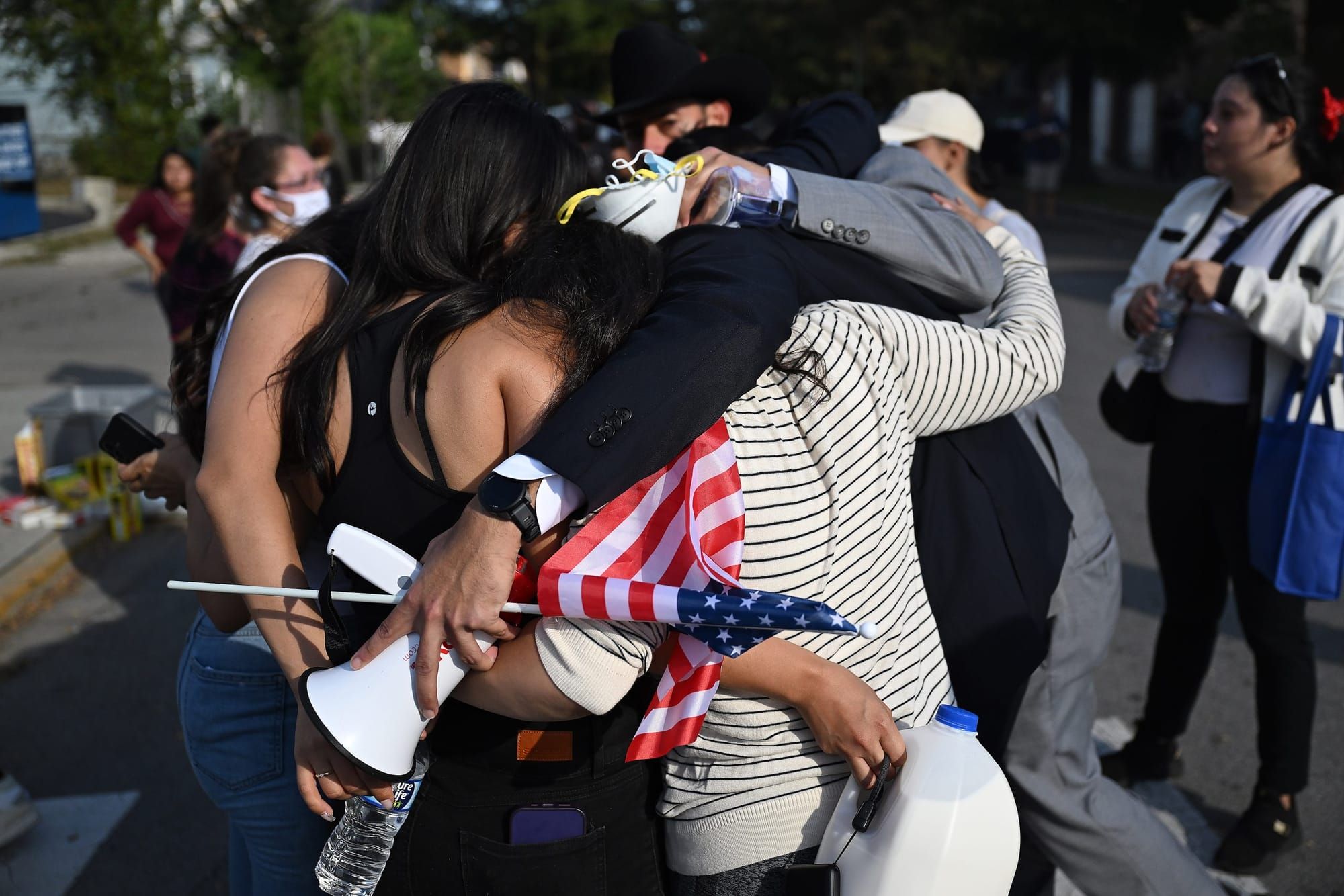
President Donald Trump has targeted Chicago for sweeping attacks carried out by Immigration and Customs Enforcement (ICE) starting last month. In one raid on a building in South Shore on Sept. 30, federal agents stormed into an apartment building, arresting 37 people—including citizens—and separating crying children from their parents.
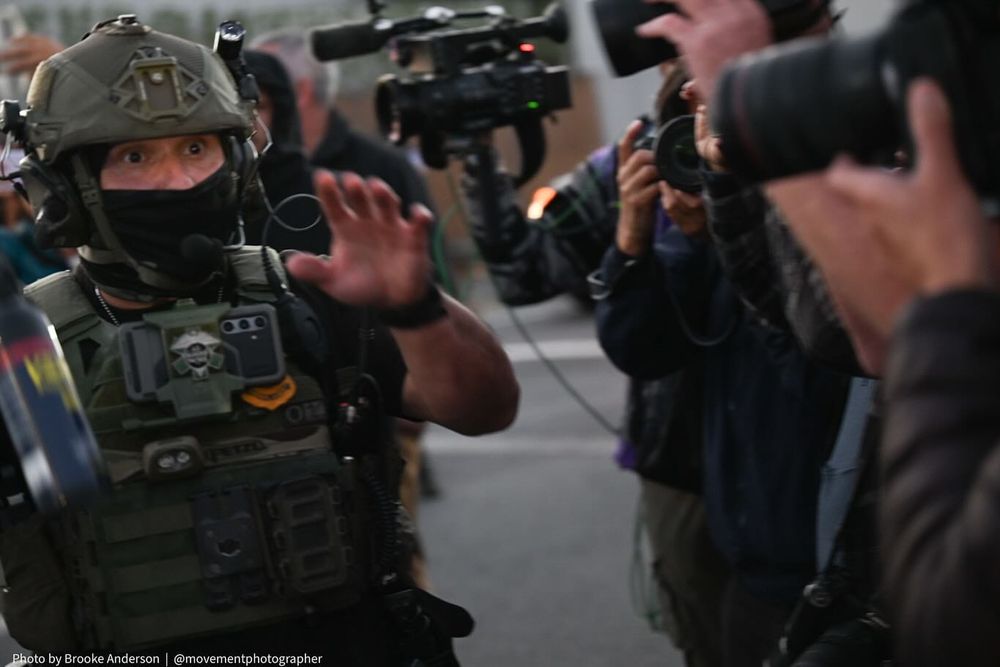
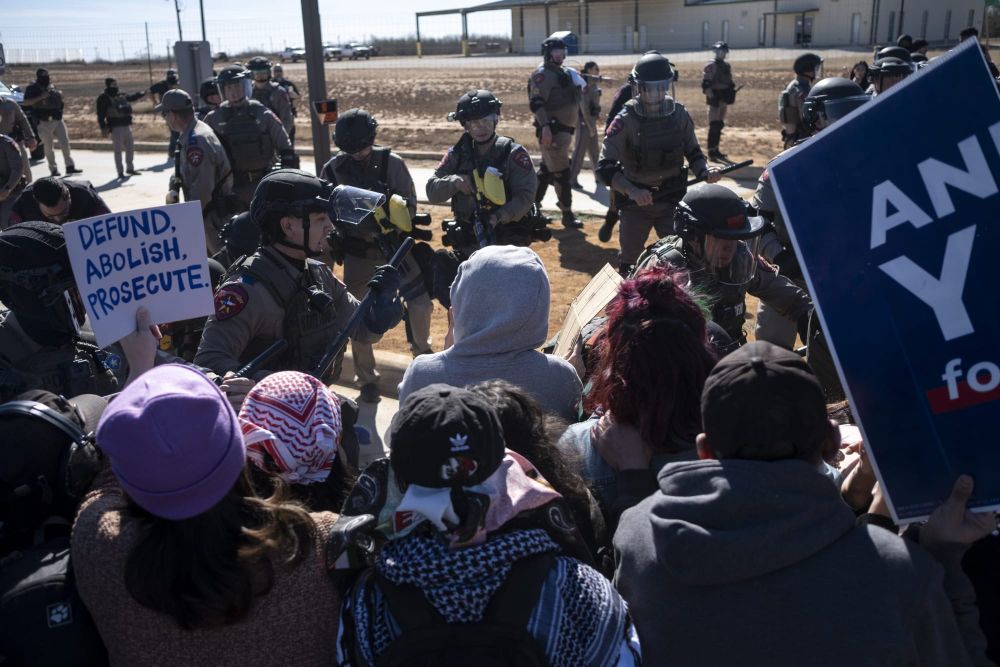
During another raid in Logan Square last week, agents tossed a smoke bomb onto a busy street, forcing shoppers and families to flee in terror. Outside the Broadview, Illinois, ICE facility, agents have used brutal methods against protesters, including shooting a pepper ball into the vehicle of a CBS News reporter with no provocation. In Brighton Park on the South Side, ICE agents faced with protests shot a woman, who went to the hospital for her wounds. ICE is believed to have arrested more than 800 people in the city. Trump has now ordered the deployment of federal troops to Chicago, which the city and the state of Illinois are attempting to block in a lawsuit.
ICE’s actions have not gone unopposed. From elected officials to local community groups, Chicagoans have been organizing to protect their city and their neighbors. The city has a long tradition of progressive organizing, and that tradition is being activated and utilized in the present crisis.
Progressive organizing is part of the reason that Illinois has elected Democrats to key positions.
“Trump is attacking Chicago because Chicago elected a Black, progressive mayor,” Husam Marajda of Chicago’s United States Palestinian Community Network, told Prism.
While progressive leadership has provoked Trump’s anger, the city and state have also been active in pushing back. Chicago Mayor Brandon Johnson and Illinois Gov. JB Pritzker have been adamant in rejecting Trump’s efforts to send the National Guard to Illinois. Johnson has issued an executive order banning ICE from city property without a warrant. Pritzker and Johnson have also said that state and city police will not help with ICE operations, though state police did seem to participate in crowd control in the Broadview facility protests.
Chicago activism and organizing go well beyond elections, however. Marajda is on the steering committee of the Coalition Against the Trump Agenda (CATA), which includes dozens of Chicago progressive organizations and has been holding demonstrations all year—most notably in an enormous May Day march. CATA has also built rapid response networks across the city to try to bring out large groups of people when ICE is spotted, in an effort to get them to back down and leave the area.
It’s also important, Marajda said, to show that people in the city “have the courage to go out and say, ‘We are against this. We do not condone this.’” Demonstrations and rallies can also connect people to resources, such as the Illinois Coalition for Immigrant and Refugee Rights, and provide them with information about how to protect their rights if approached or detained by ICE.
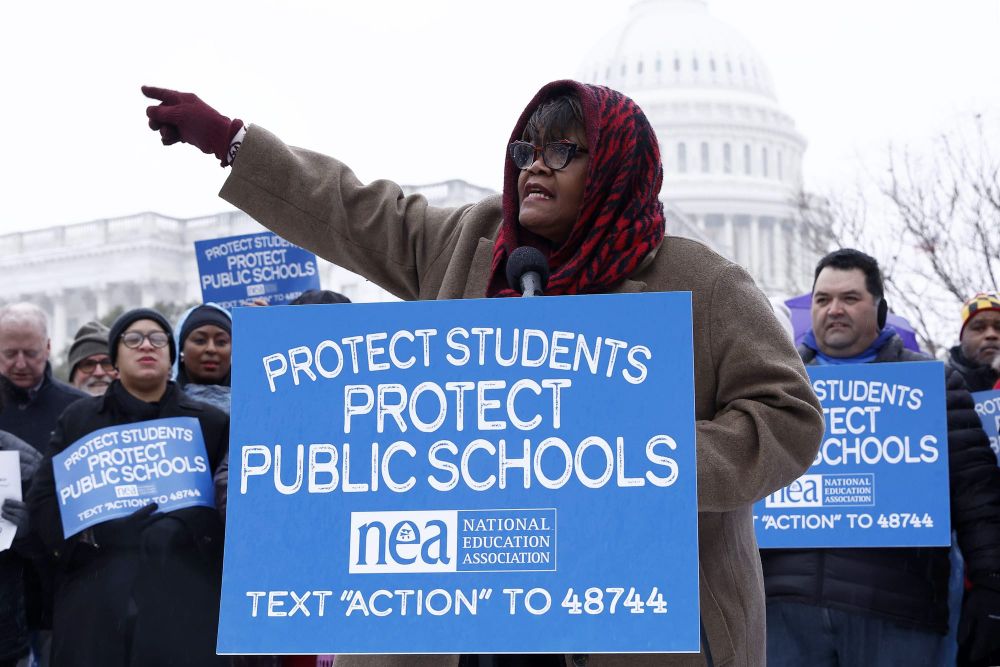
At a CATA demonstration last Tuesday in downtown Chicago, for example, several hundred people turned out with less than a day’s notice to listen to speeches and protest the ongoing ICE incursion. Among those who attended was Kevin Ryan, a former Marine running for U.S. Senate in Illinois. He told Prism that he was protesting because “I did not serve in the military to see our streets militarized and our military politicized.”
Another attendee, Brenda Ascencio, a first-generation Mexican American and an immigration attorney, told Prism that she “gets calls from people on a daily basis who don’t want to leave their house to go grocery shopping, to pick up their kids from school. … Basically, anyone of color right now is calling our office asking what to do, asking how to be prepared in case they are detained or stopped.”
Ascencio said she is advising people to carry identification, such as birth certificates, passports, and permanent resident cards. She added that rallies and demonstrations are part of helping people see that they are not alone.
“I love seeing all of the community out here on the street and standing up against what’s going on,” she told Prism. “I feel like we are such a pro-immigrant city, and we are so diverse; it’s so important to see on the streets.”
Marajda told Prism that CATA has been focused on responses within the city and has not been organizing protests at the Broadview ICE facility. Other protesters have been demonstrating at Broadview, however, and the ICE response there has been especially violent and intimidating, according to news reports.
Among the protesters was prominent human rights lawyer Qasim Rashid, who told Prism that he has been working on immigrant rights throughout his career, starting in law school in the late 2000s, and has been trying to help ensure due process for those targeted by ICE. He said he has been at Broadview because “this is my community and I need to be present.”
Rashid said that protests at the ICE facility go back to the Obama administration.
“Jewish and Christian faith leaders have been leading by example, when there were no cameras, when it wasn’t a national story, when it was a hyperlocal story,” he said. Jewish organizations, for example, staged nationwide protests against ICE, including at Broadview in 2019. Protesters shut down streets near the facility in 2014 to protest President Barack Obama’s deportation policy.
Chicago groups that are not necessarily organized around protest or politics have also become important to how residents connect with and protect each other. Mark Harris, a food production manager who lives in Avondale, told Prism that his local dog park group has used its WhatsApp chat to share ICE sightings and know your rights information. The group usually avoids talking about politics, he said, but “the big thing here about ICE is, it’s politics entering into the neighborhood.”
As the child of Filipino and Jamaican immigrants, Harris said the issue is very personal to him.
“There are people who are starting Signal chats and neighborhood watches around Avondale and all around Chicago, and I thought that was important to share, because first and foremost, it’s our community,” Harris said. “We want to make sure that our neighbors are safe.”
The federal government has a lot of power and resources; resisting them can be difficult. At the same time, ICE wants and needs legitimacy, as shown in comments U.S. Border Patrol Commander-at-Large Gregory Bovino made on Sept. 29, when he told reporters that he feels Chicagoans want him in the city, and that 95% of his interactions with residents have been positive.
The protesters in the city and at the Broadview facility, the statements of elected officials, and even neighborhood dogwalker chats contradict Bovino’s assertion. As one Mexican American from an immigrant family told Prism at the CATA protest, “I would like the Department of Homeland Security to back off.”
Editorial Team:
Sahar Fatima, Lead Editor
Carolyn Copeland, Top Editor
Rashmee Kumar, Copy Editor
Author

Noah Berlatsky is a freelance writer in Chicago. You can follow his writing at Everything Is Horrible (noahberlatsky.substack.com).
Sign up for Prism newsletters.
Stay up to date with curated collection of our top stories.