Colonialism and extractivism catch up with the North Atlantic’s greatest estuary
The real estate boom along the Chesapeake Bay’s shoreline is just the latest form of extraction to hit the region

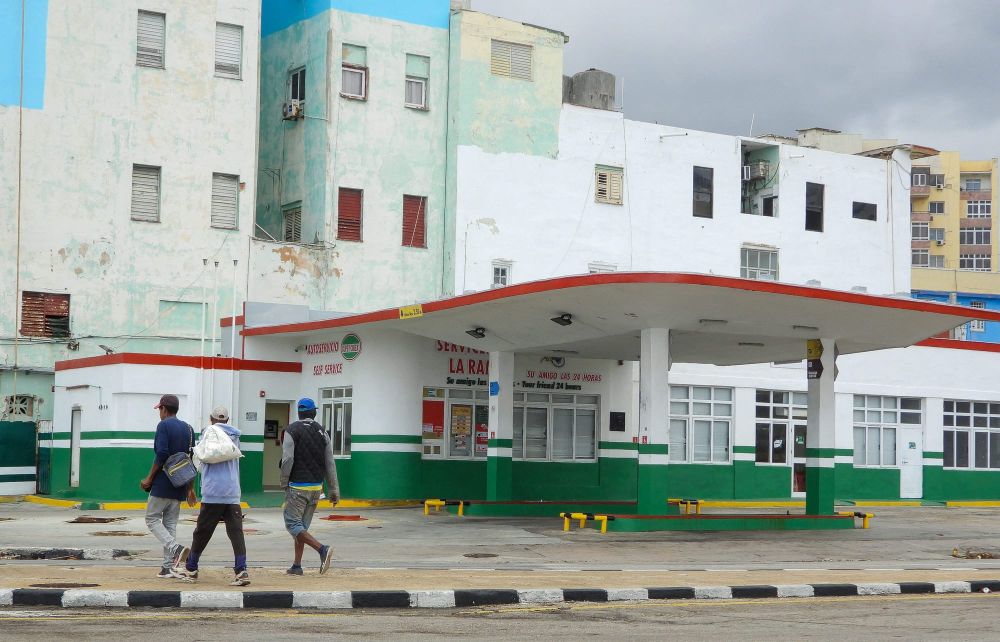
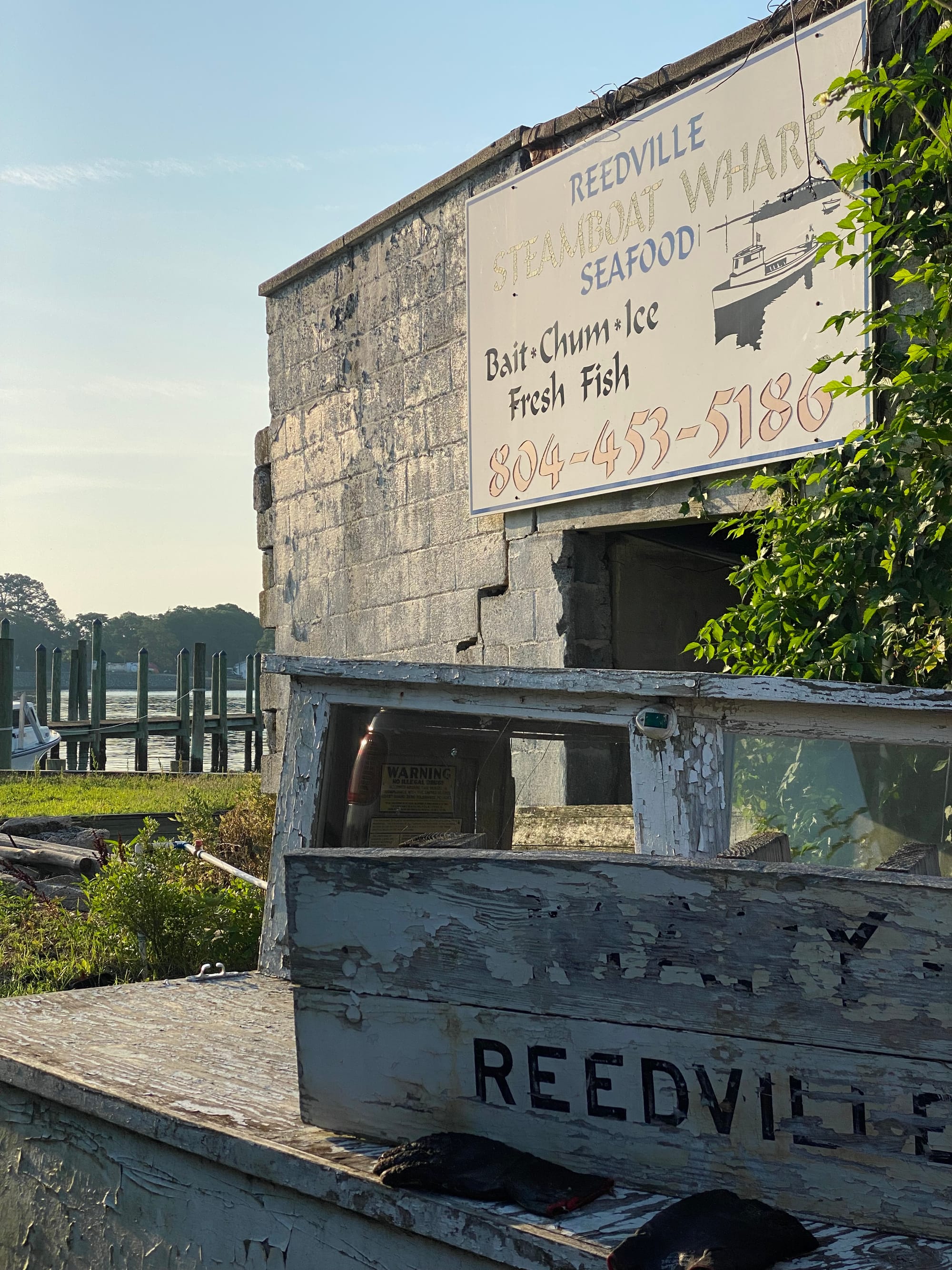
The rusty service station sits at the end of the road in Reedville, on Virginia’s Northern Neck. In the distance lies Ingram Bay, and beyond that, the Chesapeake. A local sits in a chair in the shade of the station, waiting for a powerboat to motor up for a bag of ice or a bag of chum. The customers might be sport fishermen or amateurs with recently purchased vacation homes on the shoreline of the Potomac, the Wicomico, or the Rappahannock. Either way, they’re newcomers.
The juxtaposition of wealthy fishermen in an impoverished fishing town speaks volumes about the current situation around the Chesapeake Bay, which may be the most important water filter and breeding ground for marine life in the whole Northern Atlantic Ocean.
The highest rates of uninsured people in Virginia can be found in the Northern Neck and the Eastern Shore. Poverty rates for the Northern Neck and Middle Peninsula are a full percentage point higher than Virginia’s average, and in Portsmouth, Norfolk, and the Eastern Shore, the poverty rate is 4% to 6% higher than the state average. These are also the parts of the state with the highest Black population. Similar patterns exist in the northern Bay near Maryland, particularly around Baltimore and Dorchester and Somerset counties on the state’s Eastern Shore.
And yet, much of the Chesapeake Bay’s 9,000 miles of shoreline is experiencing a real estate boom. As one example: The median sale price of single-family homes on Virginia’s Northern Neck and Middle Peninsula experienced an 8% increase between May 2024 and May 2025, and the number of new homes listed for sale increased by 11%. One major real estate firm has described a “trajectory of high demand” in the Chesapeake Bay luxury real estate market, making it “one of the most competitive and desirable” in the country. “Luxury homebuyers, particularly those from Washington, D.C., are increasingly seeking turnkey waterfront properties,” the real estate firm boasted.
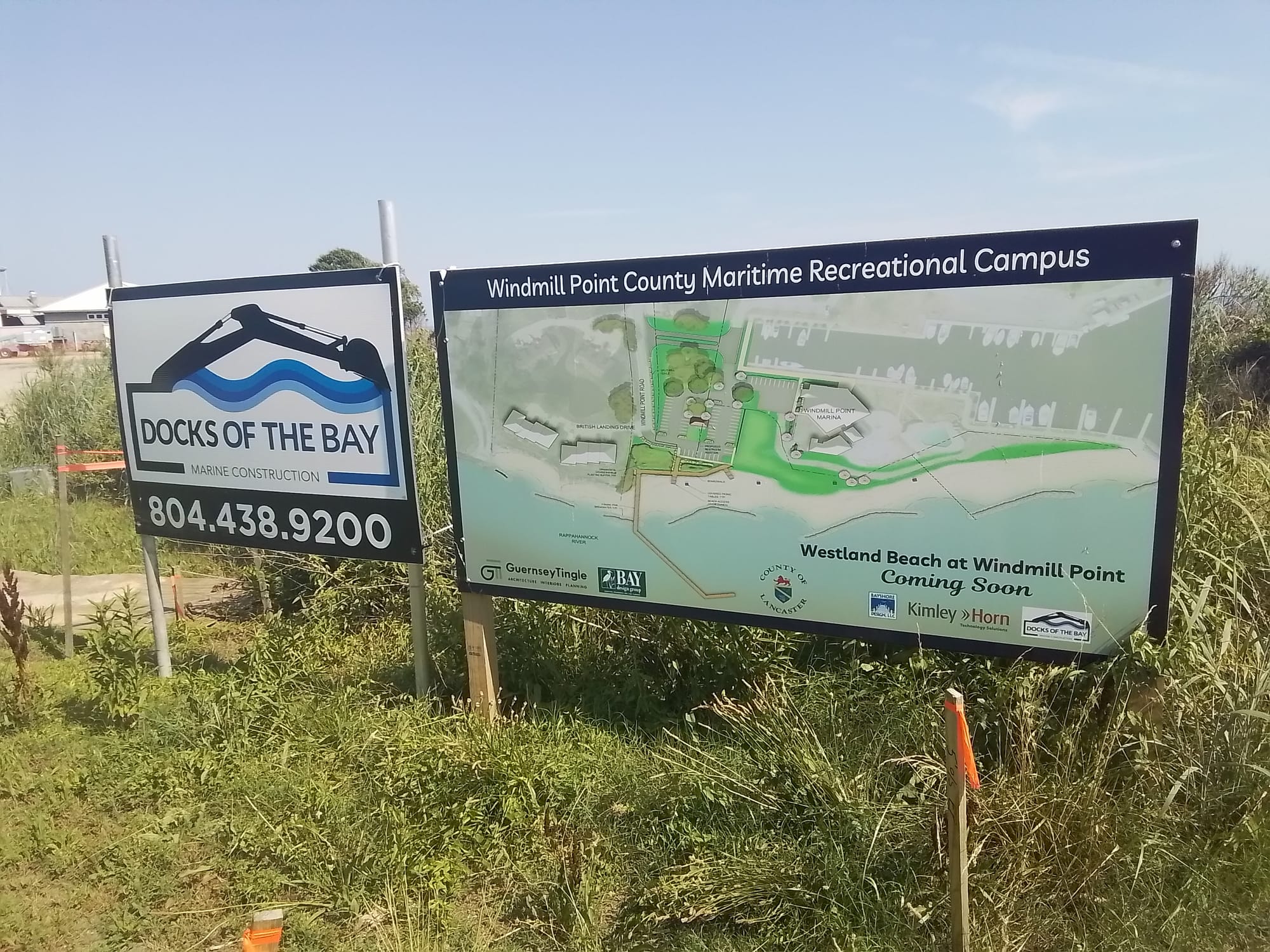
This construction boom has displaced the rural, low-income, racially diverse oystering and crabbing communities that have populated the Bay for centuries, and it’s also worsening the ecological destruction in the region.
Dead zones
Reedville in Virginia showcases the same destructive influx of wealth that can be found in other parts of the Chesapeake Bay, yet the history of this small town demonstrates that such disruptive contrasts are not a new occurrence.
Wealthy vacationers today are often surprised to learn that Reedville used to be one of the richest towns in the country. Elijah Reed, a New England carpetbagger with an astute eye for economic opportunities, set up an industrial fishing operation in 1874 that would soon become the epicenter of menhaden harvests for the whole U.S.
The Patawomeck, Wicomico, Rappahannock, and Mattaponi—some of the Indigenous peoples who were displaced by the English invasion of the Chesapeake Bay—used the small, silvery menhaden fish as bait and small-scale fertilizer. In the late 19th and early 20th centuries, industrialists used fish oil from menhaden as a fuel source and mechanical lubricant, especially after they wiped out most of the Atlantic’s whale populations.
While the menhaden industry produced great wealth for some, it was marked by exploitation and poverty for others. This includes the laborers who went out in small boats to capture the fish. In the center of Reedville, next to the Fishermen’s Museum on Main Street, there is a stone monument naming the dozens of fishermen who died on the Bay, drowning to meet the industry’s demands. The monument does not mention that the least remunerated of these laborers were recently emancipated Black people, nor does it discuss the Black fishermen in Reedville and all across the coast who led union organizing against the bosses and the conditions they imposed.
Not every town in the Bay, however, experienced the level of industrial concentration seen in Reedville. Through Reconstruction, segregation, and right up to the 1980s, small-scale oystering, crabbing, and fishing supported autonomous Black communities across the Northern Neck and other parts of the Bay. This was one of the few industries in which a poor family could scrape together all the capital needed to run their own business, namely small boats they could maintain and repair themselves.
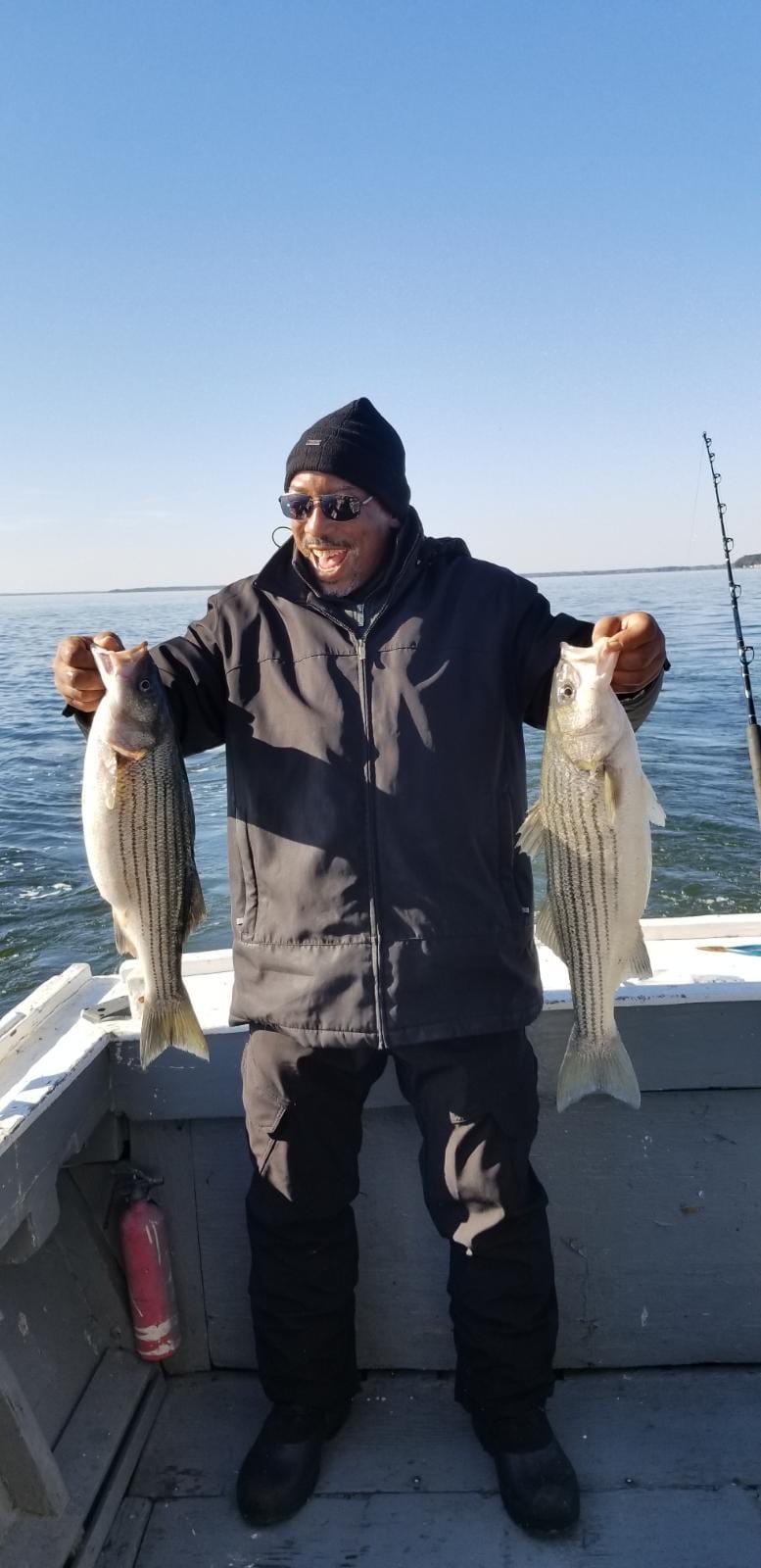
“Owning their own boats gave them independence,” said Bradley Veney, a Black fisherman who was born in the small town of Sharps, Virginia, at the tail end of segregation. Bradley hails from a long line of crabbers and oysterers. “When I look at my parents and grandparents, they were hard workers, they were independent, they built their own houses, they worked for everything they had.”
They also used sustainable practices that are only possible at a smaller scale, such as throwing back crabs and fish that hadn’t yet reached maturity. But economics were set against them.
Government regulations and neoliberal conservation schemes all favor massive operations that damage the sea floor and kill huge quantities of marine life as bycatch, animals unintentionally caught and discarded during fishing operations. Construction booms, suburban sprawl encroaching on farmland, and deforestation across the Chesapeake Bay watershed have compounded with coastal erosion caused by rising sea levels to choke the Bay and its tributaries with silt and toxic chemicals. According to a Chesapeake Bay Foundation report, the result has been devastating: Rockfish populations are depleted because suitable habitat is extremely limited and decreasing. Shad, another prominent fish species in the Bay ecosystem, has even more dire prospects for long-term survival. Blue crab populations have also collapsed, and 97% of the Bay’s historical oyster population has been killed off.
There’s no more crab houses, no more oyster houses. There’s just condos and townhomes.
Bradley Veney, local Fisherman
“Now the crabbing and oystering in the Bay is virtually gone,” said Veney, who used to work in crab houses with his brother-in-law. “If you go there now, there’s no more crab houses, no more oyster houses. There’s just condos and townhomes.”
The social crisis of poverty and displacement in the region is enfolded within an ecological crisis of staggering dimensions. The collapse of oyster populations destroyed the material basis for Black autonomy along the Bay. It has also removed one of the most important nitrogen filters from the waterways, as well as the oyster reefs that are a key habitat for other species. The ongoing silting and pollution that make life nearly impossible for oysters also destroy underwater grass beds. Throughout the Bay and its tributaries, these grass beds are a vital sanctuary for baby blue crabs and the smaller fish that provide a bridge in the food chain between microorganisms and larger species. Additionally, the beds filter the water and decrease the erosive impact of storms and waves. Erosion destroys habitat, which leads to more erosion.
With climate change also leading to rising sea levels and storm surges, the current models that place up to about 700 square miles of land around the Bay at risk of flooding in the next 75 years—a two-meter sea level rise would destroy 64,000 homes in Maryland alone—are probably underestimates.
The problems growing in the Chesapeake Bay are a runaway train. The cause is not simply human activity, but a specifically exploitative way of participating in the ecosystem.
Ashley Johnson, a member of the Mattaponi tribe, told Prism in a text conversation that the lives of Indigenous people in the region “changed irrevocably at contact,” in part, by forcibly altering the tribe’s traditional relationship with the ecology of the Bay.
“We intentionally repopulated local marine populations like rockfish, catfish, and shad due to our heavy dietary dependence on them,” Johnson explained. “Environmental stewardship is the societal principle that maintained our abundance in a delicate marine environment.”
The connection to the land was “spiritual and ecological,” rather than extractivist and materialist, Johnson told Prism. “Polluting the water or damaging the oyster beds would’ve been scandalous, nearly suicidal ideas to us,” they said.
In many ways, this extraction has been deadly.
Over one cubic mile of the Bay is now consumed by oxygen-depleted dead zones where nothing can live. Consider that a dead zone 21 feet deep—the average depth of the Chesapeake Bay—would occupy the same surface area as the sprawling cities of Chicago or El Paso, Texas. Triggered by the chemical runoff from industrial agriculture, these dead zones are largely caused by algae blooms, toxin-producing algae that grow excessively in a body of water.
Algae blooms can be held in check by the smaller fish that eat microalgae, also known as phytoplankton. But menhaden and other small fish that play this crucial role can’t sustain themselves if their habitat is being destroyed and they’re overfished—not by small-scale operations but by major extractivist industries. Whether fishing or farming, these industries aren’t focused on producing food; their goal is to produce profit, no matter the dead zones and displacement in their wake.
A track record of failure
A recent flurry of Supreme Court decisions overturning environmental regulations coupled with the Trump administration’s gutting the Environmental Protection Agency (EPA) hides a larger, more insidious pattern: Government conservation plans across Democratic and Republican administrations have failed to decrease greenhouse gas emissions, stop the destruction of species and habitats, or limit pollution from major industries, such as the nation’s pesticide-dependent agricultural system.
A growing body of evidence suggests that government policies are not designed to protect the environment, so much as to promote extraction and profit.
This has certainly been the result of the “catch share” system, which is marketed as a way to conserve global fisheries by selling off “shares” of fish populations. This has effectively privatized fisheries, a development that favors large-scale operations and permits dangerous levels of overfishing. According to Reveal, this policy was “backed by an alliance of conservative, free-market advocates and environmental groups, some of which have financed scientific studies promoting the merits of the system.”
Other attempts to marry profit and ecology lead to historical erasure and gentrification, which further harm local ecosystems and human communities. A new generation of oyster houses can effectively tap into luxury tourism by marketing themselves as traditional and sustainable to exclusively white, economically mobile clientele, further fueling the waterfront development causing erosion and habitat loss and displacing the working-class, largely Black communities that did the actual work of oystering.
But the survival of the Chesapeake Bay doesn’t depend only on what happens in the water.
Wetlands are crucial habitats for many terrestrial and marine species, and they play an outsized role in filtering water and sequestering greenhouse gases. They are protected by a long list of environmental regulations and government agencies, yet they continue to disappear under the onslaught of more profitable land uses like development and agriculture. In 2024, the EPA acknowledged that “only 11% of the Chesapeake Bay Watershed Agreement goal of restoring 83,000 acres of wetlands on farmland has been achieved.”
Forest land covers 55% of the Bay’s 64,000 square-mile watershed. According to the Chesapeake Bay Foundation, government and private developers are “far off track” all across the watershed in meeting their targets for essential forest buffers that would decrease silting and toxic runoff. To better understand how government agencies are managing that land, Prism spoke to the Virginia Department of Forestry’s Eric White, the area forester for Lancaster County. In response to questions about forest health on the Northern Neck, White instead focused on the financial challenges loggers face in the region.
“It’s kind of hard for anybody to make money,” White said. “The economy is struggling on the Northern Neck, mills are closing, manufacturers are shutting down, and that affects all the local people who depend on that area of operations to make a living.”
When asked to talk about ecological degradation, White emphasized “land conversion,” a bureaucratic euphemism for development. What both terms elide is the end result: destroying a plot of land by killing everything on it, which includes sending thousands of years of living topsoil into the waterways to build a suburb, a vacation home, a shopping mall, or anything else intended to generate profit.
White spoke about trees as a source of profit, making Johnson’s comment about the loss of ecological consciousness in the region even more prescient.
The Department of Forestry’s “reforestation” program is dedicated to helping private landowners clear-cut timber, then replant profitable varieties of pine for the best “return on investment.” “Improved” genetics through selective breeding have produced pine trees that grow faster, meaning the cycle of monocrop plantations and clearcutting can be repeated every 20 to 30 years. This is nearly twice as fast as logging operations could operate previously. While this may not be as immediately destructive as the construction of vacation homes and shopping centers, profit-driven forestry hurts the soil, increases erosion into the watershed, releases greenhouse gases, eliminates robust forest ecosystems, and replaces them with monocrop plantations that have a low biodiversity and are more prone to wildfires.
“An unfair advantage”
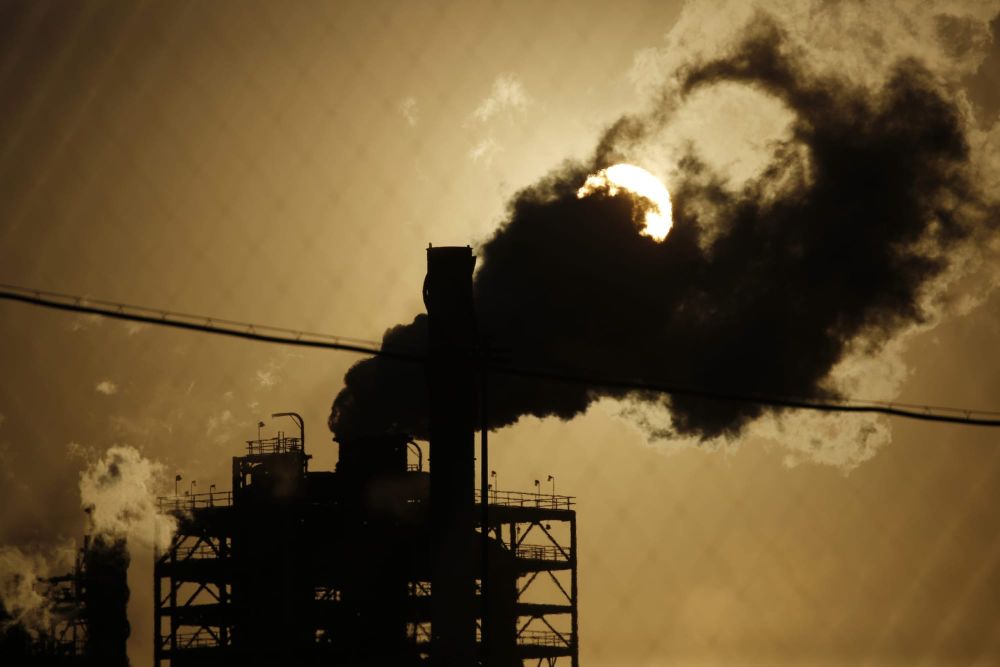
Shiny pipes and immaculate smoke stacks stick out above the trees across the water from Reedville, the only indication of the sprawling complex that can be found hidden at the end of Menhaden Road.
Owned by the Omega Protein Corporation, the Texas-based company is responsible for almost 75% of the menhaden caught off the East Coast. They boil the harvest down and sell the fish oils for nutritional supplements and cosmetics, and the fish meal for fertilizer. Menhaden have been overfished for 32 of the past 54 years, and according to the Chesapeake Bay Foundation, in 2019, “Omega Protein purposefully exceeded the Chesapeake Bay harvest cap” by over 15,000 metric tons.

In 2020, Omega was forced to pay a $7.5 million fine for violating the Clean Water Act by intentionally and systematically polluting the Chesapeake Bay. Though this was one of the largest Clean Water Act fines laid down in Virginia, it represents roughly 2% of the company’s typical annual revenue, making the fine a slap on the wrist for one of the world’s largest producers of fish oil and fishmeal products. As the special agent in charge of the EPA’s Criminal Investigation Division for the mid-Atlantic eloquently put it: “Our intent is never to put anybody out of business. It simply is (that) if you’re violating environmental laws by cutting corners, you’re creating an unfair advantage.”
The Omega Protein Corporation was founded by the Haynies, one of the families who struck it rich from the original Reedville menhaden industry in the 19th century. One pro-industry website with a flattering account of the Haynie family mentions that they “have roots in the Reedville area that reach back to the founding of the Virginia colony.” What is omitted from the record is the extractive industry that provided the backbone of the Virginia colony: export-oriented tobacco plantations worked by enslaved Africans.
These continuities shouldn’t be surprising. Displacement, exploitation, death, cruelty, and ecocide have been continuous since colonization violently imposed a new socioeconomic system on the Chesapeake Bay. Reforms and mitigation strategies cannot keep up.
Bradley Veney’s story of autonomous Black communities reveals an economics of solidarity, sharing, and relationships, an approach that’s been squeezed out of existence by environmental degradation and industrial, profit-driven operations. Ashley Johnson emphasized the continued efforts of the Mattaponi and other tribes to take care of the Bay’s ecology, though these efforts are overwhelmingly hindered by the institutions in power. There are two diametrically opposed paradigms at work in the Chesapeake Bay: ecological commoning on one side, and colonial extractivism on the other.
“Pre-colonization, water was life,” Johnson explained. “Colonization didn’t end our way of life because it stripped the land and water of its resources, even though this surely happened. Our way of life had to change drastically even before that point, because one very nearly can’t have a conversation with a colonizer without compromising the tenet of environmental stewardship.”
In the absence of real stewardship, the Chesapeake Bay is drowning. It’s drowning in silt from erosion, in toxins and microplastics from a consumer culture that doesn’t know limits, in chemical fertilizers that create giant dead zones, and from rising storm surges caused by global warming. The future of the Bay and all its living communities depends on a reexamination of the relationships, the institutions, and the practices that can truly save it.
“These are problems that began 400 years ago,” Johnson said. “But the rate at which we’re accelerating goes beyond alarming. It’s not that we won’t make it another 400 years; it’s that most of us will be lucky to make it another 40.”
Editorial Team:
Tina Vasquez, Lead Editor
Lara Witt, Top Editor
Rashmee Kumar, Copy Editor
Author

Peter Gelderloos is an independent researcher, writer, and social movement participant. His books include The Solutions are Already Here: Strategies for Ecological Revolution from Below, and Worshipin
Sign up for Prism newsletters.
Stay up to date with curated collection of our top stories.