After massive cuts at the Centers for Disease Control, what’s left of COVID-19 mitigation efforts?
Massive cuts at the CDC and growing hostility toward vaccination under Robert F. Kennedy Jr. leave the public more vulnerable to the ongoing threat of COVID-19, experts say
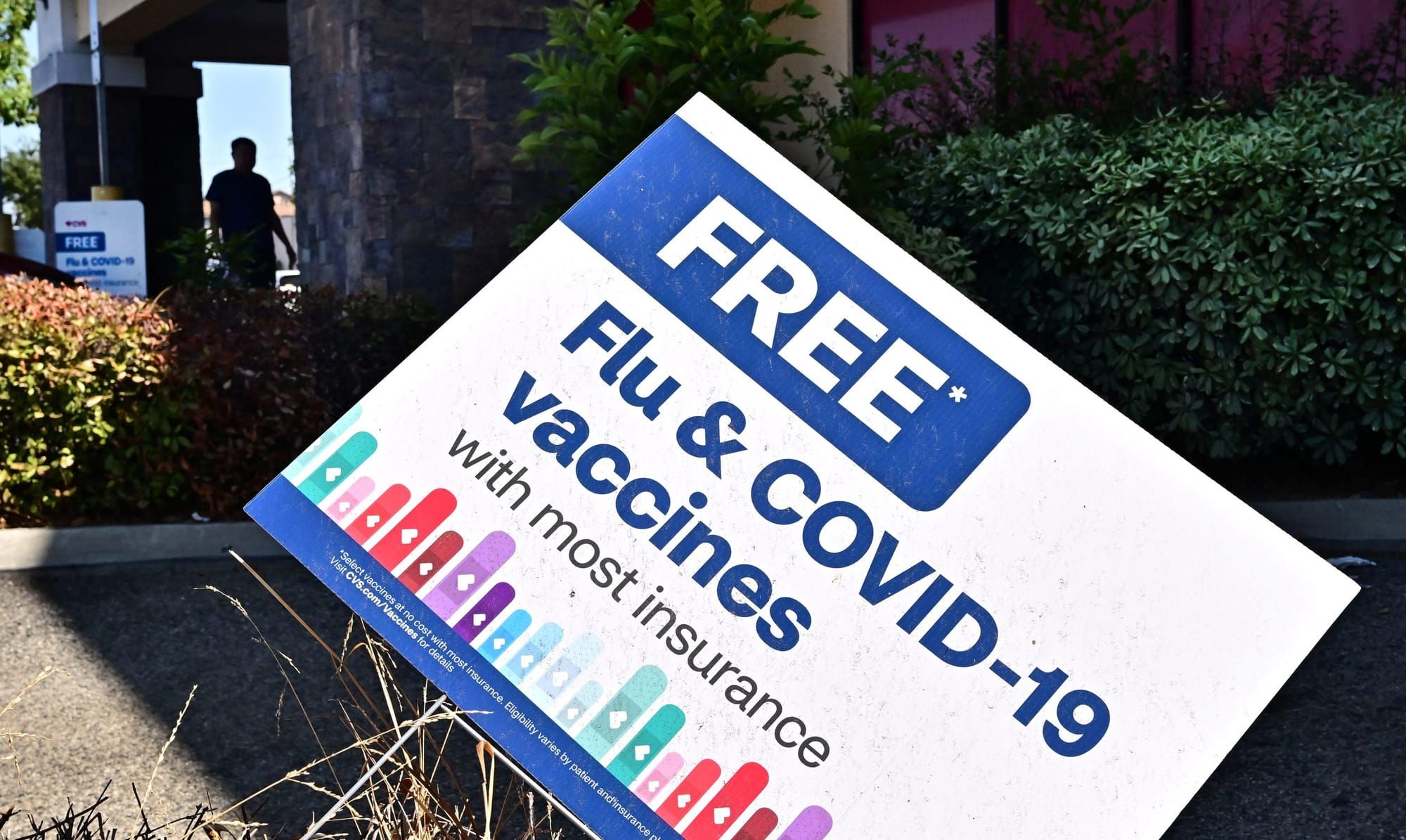
The Centers for Disease Control (CDC) workforce has been reduced by a third since January through layoffs, contract nonrenewals, and early retirement offers. On Oct. 10, just 10 days into a government shutdown, 1,300 more people who represented essential functions were fired from the CDC, though about half were reinstated days later. The staff supporting the Advisory Committee on Immunization Practices (ACIP) were among those laid off earlier this month, and the committee’s October meeting was canceled. In addition, the public health agency’s budget will be slashed by half in 2026.
The cuts follow a summer rife with anti-democratic, anti-science efforts led by Health and Human Services (HHS) Secretary Robert F. Kennedy Jr. to sow doubt about vaccines, especially for COVID-19, and moves to restrict, delay, and otherwise limit the public from receiving COVID-19 boosters.
In late August, weeks after a deadly shooting outside the Atlanta CDC headquarters, then-CDC Director Susan Monarez was fired for pushing back against anti-science skepticism in this year’s annual vaccine approval process. Four senior officials followed, publishing resignation letters that scathingly indicted leadership for adhering to ideology, not science.
“There’s a concerted effort to disassemble the CDC,” Dr. Demetre Daskalakis, one of the officials who resigned, told Prism. Daskalakis most recently served as director of the National Center for Immunization and Respiratory Diseases at the CDC. “The current regime is blocking science, and their political will is in destroying public health rather than building it.”
Amid this chaos, the CDC has not reported data on one of the most significant health challenges still facing Americans. COVID-19 wastewater levels haven’t been updated since Sept. 25. Instead, COVID-19 skeptics now occupy the highest positions of public health leadership, and they are turning against the government’s only remaining tool to fight COVID-19: vaccination. While the last vestiges of COVID-19 mitigation infrastructure crumble, the threat persists as long COVID has become among the most common chronic conditions in children. Experts warn that the lack of preparedness for this and future pandemics will have disastrous impacts on the public.
“It will take decades to undo this damage,” said a leading COVID-19 expert, who wished to remain anonymous due to fears of retribution by the Trump administration.
HHS casts doubt on COVID vaccines
In recent years, the government has largely followed a vaccine-focused approach to mitigating COVID-19. First came Operation Warp Speed, which saved millions of lives. Since the Biden administration declared the pandemic over in May 2023, it ended isolation requirements, masking requirements and recommendations, and aligned its COVID-19 guidance to that of other respiratory diseases. The CDC also shifted from tracking positive COVID-19 cases to tracking wastewater data to follow transmission.
Though the Biden administration faced criticism for following politics rather than science for some of these choices, it still encouraged vaccination, funded research into new vaccine platforms, and fostered modest efforts to improve indoor air quality.
But the Trump administration has fully embraced skepticism, even as the country faces a historic measles outbreak.
Kennedy is an “agent of chaos,” Daskalkis said. Kennedy has repeatedly claimed that the COVID-19 vaccine was ineffective, despite the fact that it saved 3 million lives and $1.15 trillion between 2020 and 2022, according to a Commonwealth Fund study.
“HHS leadership has consistently downplayed the risk of COVID and is actively limiting access to vaccines,” the COVID researcher said.
As a result of Kennedy’s rhetoric and actions, such as stacking ACIP with his allies, infectious disease experts say guidance for this year’s COVID-19 vaccine was confusing and marred by new barriers and delays.
The vaccine was initially only approved by the Food and Drug Administration for people over 65 or those with a qualifying underlying condition, raising alarm bells for many public health experts.
But after a summer of back-and-forth, which sometimes required a prescription to get a COVID-19 vaccine and concerns about it not being covered by insurance, on Sept. 19, ACIP ultimately approved the vaccine based on “individual decision-making” for anyone 6 months and older.
Michael Hoerger, a public health expert and professor who runs one of the top dashboards tracking ongoing COVID-19 wastewater data, said the delay in approving this year’s booster resulted in many people avoidably becoming infected during this summer’s wave.
The COVID-19 researcher called the delays in approval and chaotic process an “abysmal and catastrophic failure of leadership” that will cause “needless death.”
While the CDC’s press release was quick to criticize low booster uptake, experts say its messaging will only serve to lower that number.
“I think that is the goal, which is to make it so terribly confusing that people just give up,” Daskalakis said.
Daskalakis added these kinds of public health barriers tend to disproportionately impact the groups “who are least able to afford having them, whether because of their underlying conditions or their social circumstances.”
“And the outcomes of those infections are magnified by their social circumstance, or their underlying conditions,” he said.
People of color have been hardest hit by the pandemic, according to The Lancet.
Staffing and funding cuts and “doublespeak”
In addition to the staffing cuts, the proposed funding cuts in the 2026 budget will further hobble the CDC’s ability to carry out its work. The CDC Data Project details that these cuts include $1.3 billion from chronic disease prevention and health promotion, a whopping 98% of this year’s budget, despite Kennedy’s stated intentions to focus on chronic diseases.
The budget also slashes funding for environmental health issues, including asthma; global health; public health and preparedness; occupational health safety; AIDS research and prevention; emerging and zoonotic diseases, including Lyme and ME/CFS; the Special Olympics; and youth violence prevention.
The CDC is also engaging in “doublespeak,” Daskalakis said. For example, its recently updated “About” page speaks to the importance of global leadership and accurate research and data, while it is slashing funding for those programs.
The page, which Daskalakis described as a “manifesto,” then casts doubt on the CDC’s reliability in recent years. Next, it dedicates an entire section to autism, makes clear it will not fund anything related to abortion, undocumented immigrants, or trans health care, and vows to block funding from any states or municipalities advocating for harm reduction of “housing first” policies. It declares its intent to “deprioritize” diversity, equity, and inclusion, and states its investment in “ideologically laden concepts like health equity” has “undermined core American values.”
This is all indicative of both the administration’s priorities and its discrimination against historically disadvantaged groups.
“The whole ideology is one that discounts the value of people’s lives. The value of folks who are disabled, the value of folks who are uninsured, the value of LGBTQ people,” Daskalakis said. “So I think if that’s their guiding principle, there’s going to be really poor outcomes for people who can least afford them.”
COVID-19 data blackout
The fact that COVID-19 wastewater data collection has not continued during the government shutdown and is not considered essential “just shows you that this is a low priority from a federal perspective, consistent with the overall deemphasis on public health,” Hoerger said.
Hoerger said the data blackout should be temporary and thinks it is unlikely the government would shut off “the best wastewater tracking system in the world.” Though it is hard to predict, he said, the upcoming budget and staffing cuts could compromise future data reporting.
The fact that cases are in a relative lull after the summer wave makes Hoerger a bit less concerned about the current data blackout, though it raises issues for immunocompromised people who time their errands and appointments to periods when the risk of getting COVID-19 is lower, he said.
Amid the loss of trust in the CDC and whiplash firings and rehirings, as the shutdown wears on, the New England Journal of Medicine announced in late October that it would begin publishing its own version of the CDC’s Morbidity and Mortality Weekly Report.
Daskalakis is heartened that in the face of the CDC’s politicized and unclear guidance, professional organizations such as the American Academy of Pediatrics, the Vaccine Integrity Project, and multistate coalitions are stepping in to provide science-based information on vaccination and other health issues.
Meanwhile, the government’s lack of prioritization of COVID-19 data follows cuts to funding for mRNA vaccine research earlier this summer, and the U.S.’s impending departure from the World Health Organization.
“We are clipping our own wings by cutting funding for research in infectious diseases,” the COVID-19 researcher said. “This will not only weaken our ability to address the ongoing challenge of COVID and long COVID but also the ability to handle future pandemics.”
Editorial Team:
Sahar Fatima, Lead Editor
Carolyn Copeland, Top Editor
Stephanie Harris, Copy Editor
Author

Laura Weiss (she/her) is a freelance writer and editor from Berkeley, California, focusing on social justice issues. She previously worked on the digital team at The New Republic and as managing edito
Sign up for Prism newsletters.
Stay up to date with curated collection of our top stories.