Amid mounting concerns over the safety of California’s workforce, a critical vote on a bill to protect workers from extreme indoor temperatures narrowly passed the California Occupational Safety and Health Standards Board (Cal/OSHA), but the bill still requires approval from a skeptical governmental agency, leaving workers vulnerable. The decision has ignited anger among labor groups statewide that argue the state’s inaction is putting lives at risk.
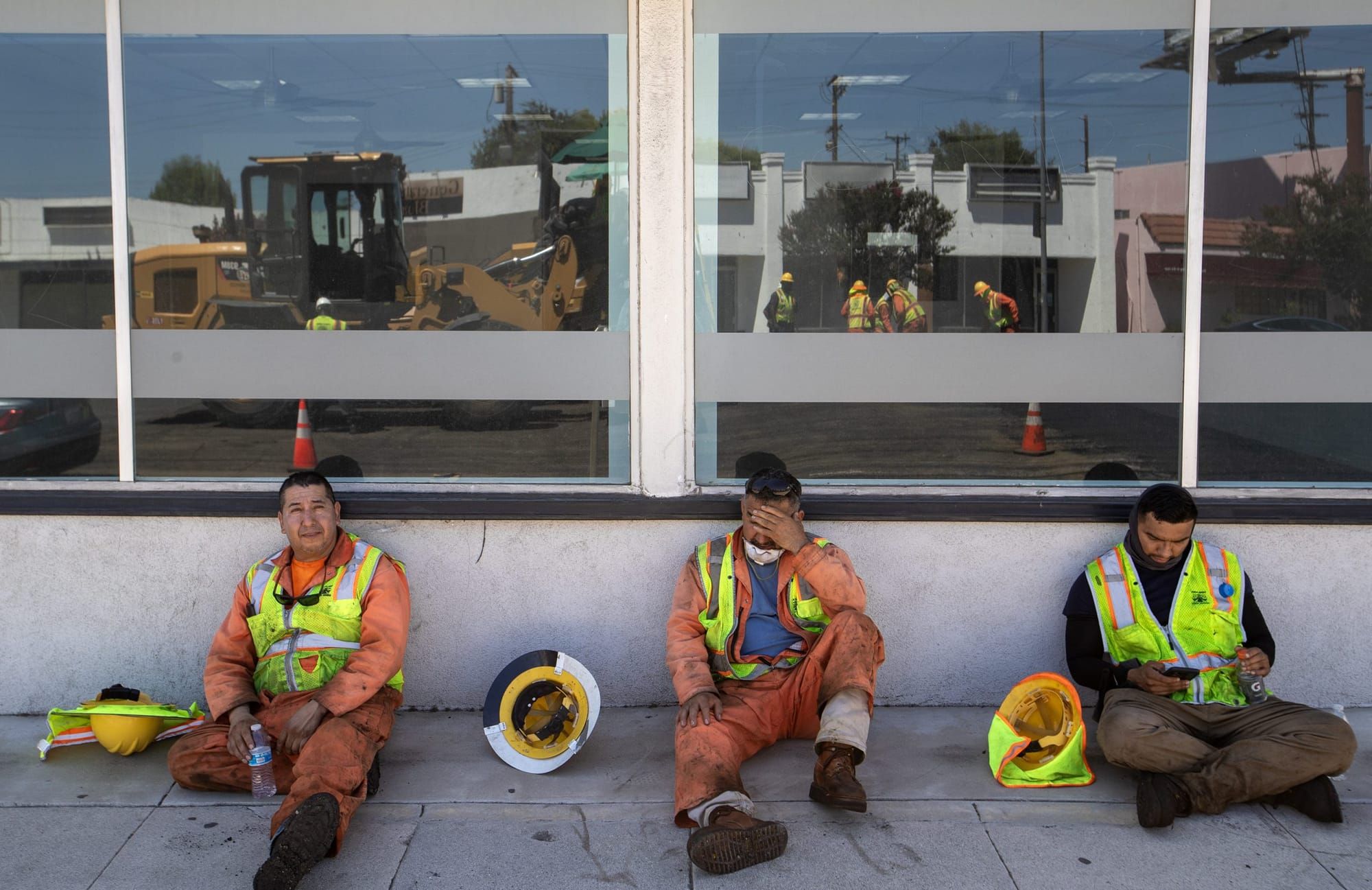
On March 21, in a hearing room packed with people wearing stickers proclaiming, “Heat Kills,” a diverse coalition of laundry workers, farmworkers, janitors, steelworkers, fast food workers, stagehand technicians, construction laborers, and shipyard workers gathered to voice their dismay at the cancellation of the crucial vote on the Indoor Heat Illness Prevention Standard. The state’s Office of Administrative Law will need the Department of Finance’s approval before it can move forward with the regulations, but the office is not immediately certain about the time frame for the next steps.
“Our coalition of unions and worker advocates have been pushing Cal/OSHA to do its job and approve regulations that finally protect workers from extreme indoor heat,” said Lorena Gonzalez, Chief Officer of the California Labor Federation, which represents 1,300 unions and 2.3 million union members. “It’s outrageous that after years of advocacy … we learned that it was pulled from the agenda with no prior notice or explanation.”
The standard would have protected millions of workers in warehouses and other indoor facilities, but Gov. Gavin Newsom objected to the program’s costs. The Department of Finance intervened over concerns about costs to correctional facilities and other state entities, but Cal/OSHA moved forward and voted unanimously to adopt the standards. The rules are now in limbo.
The new standards would set temperature requirements in warehouses, shipping centers, schools, kitchens, and other workplaces. Employers would be required to provide cooling through air conditioners, fans, or other devices when the indoor temperature or heat index reaches 87 degrees or 82 degrees in places where workers wear heat-restrictive clothing. At 82 degrees, employers would also have to provide water and access to cool-down areas where workers can take breaks and ensure adequate means of communication and monitoring for signs of heat illness, among other measures.
California unions have underscored the urgency of implementing rigorous indoor heat stress protections for years. Since the introduction of Senate Bill 1167 in 2016, which directed OSHA to propose and adopt a heat stress standard by 2019, labor groups have emphasized the importance of safeguarding workers from the hazards of extreme temperatures.
According to the Centers for Disease Control and Prevention, average annual heat-related deaths rose 95% from 2010 to 2022. The decision follows Florida’s recent decision to ban a heat standard for outdoor workers that would have protected more than 100,000 workers in Miami-Dade County alone.
The ramifications of exposure to high indoor heat are severe, ranging from health issues to workplace injuries and, in extreme cases, even death. With climate change exacerbating heat waves, workers in California find themselves caught between risking their safety for employment and jeopardizing their livelihood to stay out of harm’s way.
“It’s shameful that the state of California is turning a blind eye to preventable workplace injuries and deaths,” Gonzalez said.
The California Labor Federation, AFL-CIO, representing more than 1,300 affiliated unions in various sectors, including trucking, retail, hospitality, janitorial, construction, health care, government, education, arts and entertainment, warehousing, and manufacturing, continues to demand immediate action to protect workers from indoor heat hazards.
Author

Alexandra is a Cuban-American writer based in Miami, with an interest in immigration, the economy, gender justice, and the environment. Her work has appeared in CNN, Vice, and Catapult Magazine, among
Sign up for Prism newsletters.
Stay up to date with curated collection of our top stories.