Black history tells us about our past, present, and future
White people have historically employed astounding intellectual and moral gymnastics to refuse to engage with Black people on their terms—an approach now applied to immigrant communities
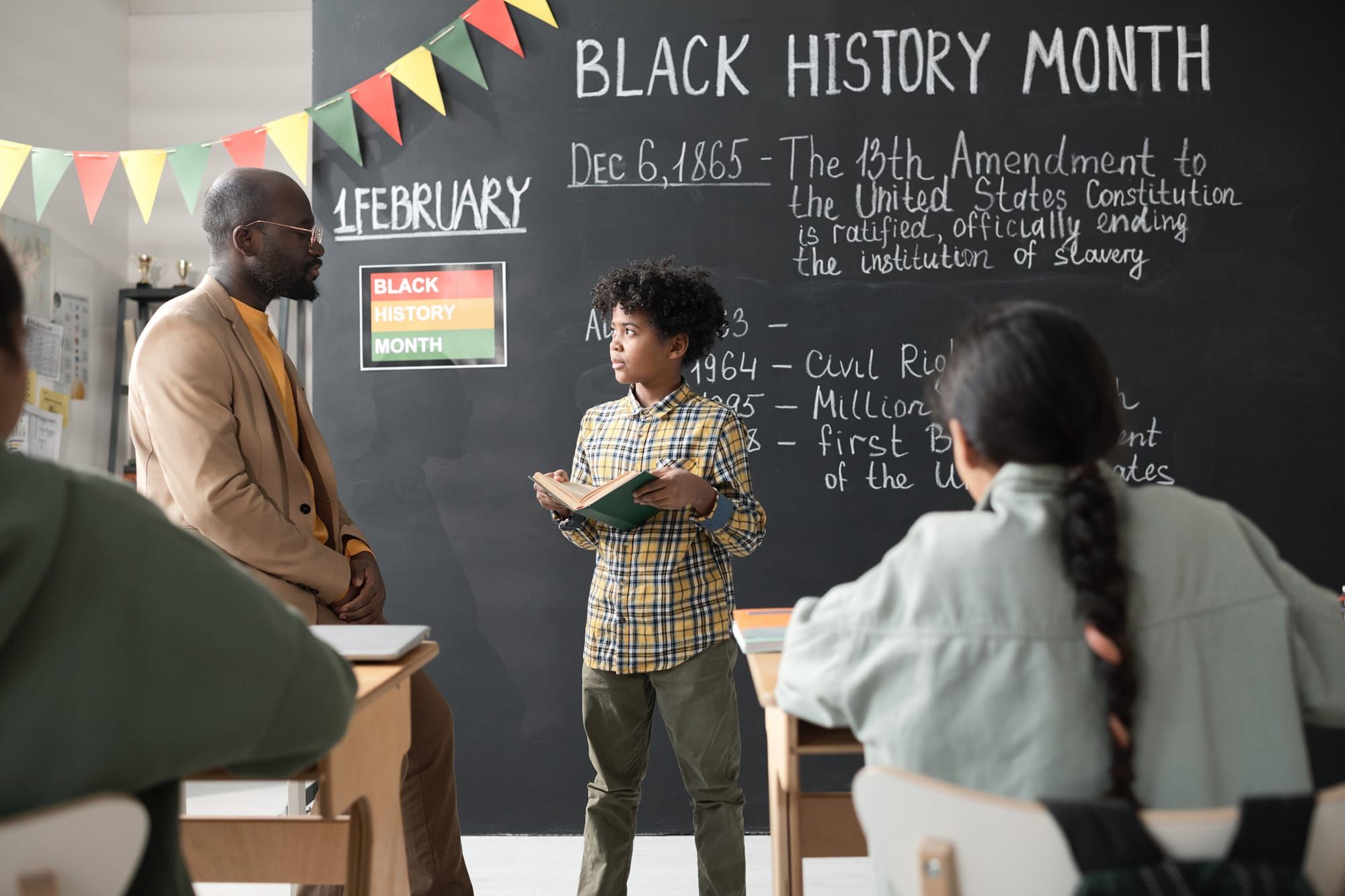
Federal agencies under the Trump administration have started banning Black History Month, and now it’s more essential than ever to take the opportunity to recognize the accomplishments and struggles of African Americans throughout history. As an educator, I find it particularly important to acknowledge and honor the father of Black history: Dr. Carter Godwin Woodson, who founded Black History Month’s precursor, Negro History Week, at the behest of Black students.
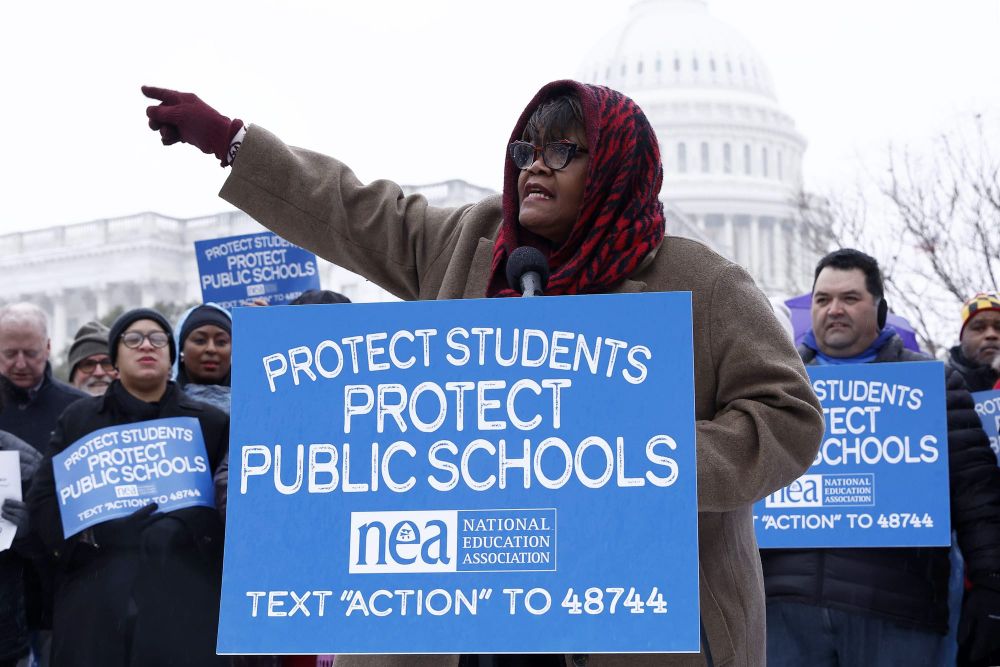
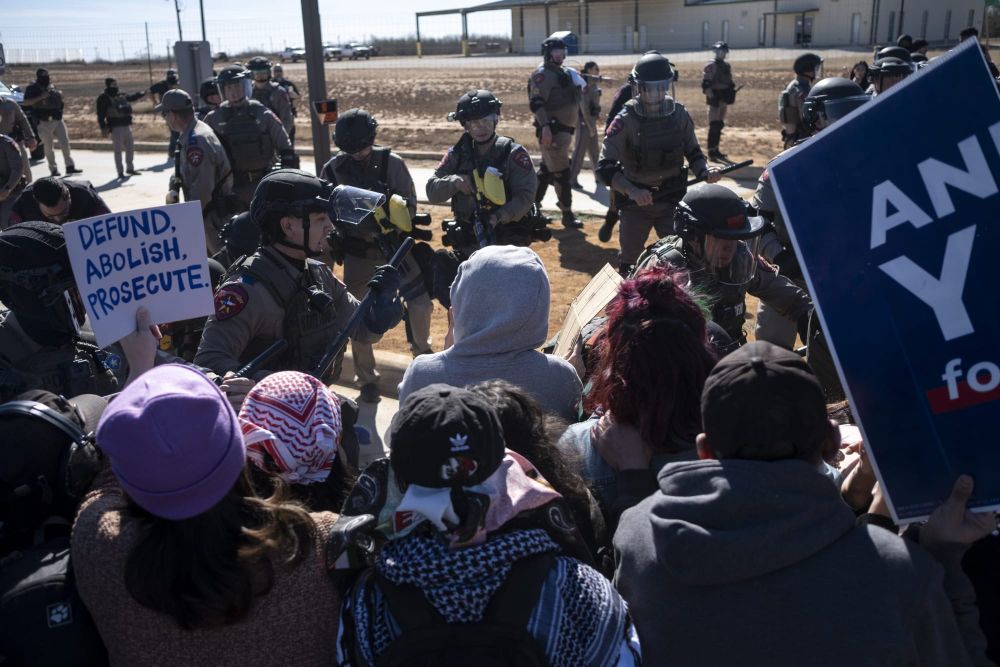
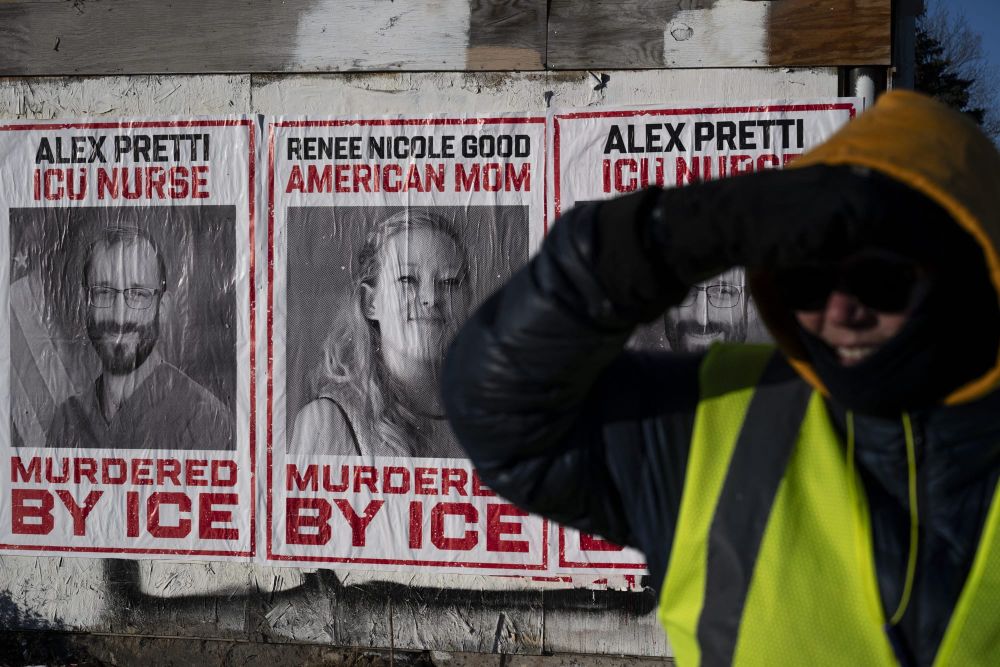
Now is also the time to examine the ugly history that demanded Black excellence and resistance—a history the Trump administration is attempting to recreate through executive orders that seek to wipe diversity, equity, and inclusion (DEI) efforts off the map, particularly in public schools. Of course, Black people aren’t the Trump administration’s only target. The administration is rolling back protections and enacting harmful policies against marginalized people of all kinds, especially newly arrived migrants, undocumented immigrants, and American citizens who are Latinx.
I see the effects of these efforts in schools, where children feel scared and under attack. This is a historical moment, but we can also look to history to better understand that under the white settler colonial project that is the U.S., attempting to rid the country of nonwhite people is nothing new.
For today’s asylum-seekers and other migrants, U.S. foreign policy has created a never-ending cycle of forced migration and punishment—a dynamic African Americans know well.
For today’s asylum-seekers and other migrants, U.S. foreign policy has created a never-ending cycle of forced migration and punishment—a dynamic African Americans know well. African people were targets for removal from the U.S. after they were enslaved and forcefully taken to the Americas. When these Africans became Americans, they became the targets for removal by white Americans and the U.S. government—in large part, to ease white sensibilities.
The American Society for Colonizing the Free People of Color of the United States, also known as the American Colonization Society (ACS), was the major player behind these efforts. Formed in Washington, D.C., by a few Princeton University graduates, the ACS was an all-white organization whose purpose was to send Black people to Africa to start a free colony so that the U.S. could be a white nation.
Today, it may seem hard to make sense of polls that show more than half of Americans support mass deportation and expanding legal pathways for immigration. But think of ACS. The organization represented a “compromise” for whites who disagreed with enslavement, yet didn’t want to live among free Black people. Free Black people represented a problem: They were a disruption to the order of a society founded on race-based chattel enslavement. Black citizenship was also off the table due to the belief that African people were inferior to whites in every way. It’s not difficult to see the connection to today’s efforts by the Trump administration to rescind birthright citizenship for newly arrived migrants.
Historically, white people have employed astounding intellectual and moral gymnastics to justify refusing to engage with Black people on their terms—refusing to live alongside them once free, yet living in the same house with them when enslaved. Today’s version of this way of thinking is calling for mass deportations in a country that overwhelmingly relies on exploited undocumented labor.
In 1820, the ACS began recruiting free Black people to settle in the colony of Liberia, a creation of the ACS. In fact, Liberia’s capital, Monrovia, is named after ACS supporter President James Monroe. The plan was opposed by abolitionists, who believed that a United States that was built with Black labor should be a home to Black people. As part of its effort to garner support for the plan, the ACS unsuccessfully attempted to recruit Black leaders. Anti-slavery revolutionary David Walker lambasted the ACS’ plan in his “Appeal,” a series of articles that called on enslaved people to rebel.
“Here is a demonstrative proof of a plan got up by a gang of slave-holders to select the free people of color from among the slaves, that our more miserable brethren may be the better secured in ignorance and wretchedness, to work their farms and dig their mines, and thus go on enriching the Christians with their blood and groans,” Walker wrote in 1829.
America’s Back to Africa Movement didn’t end with the ACS. It continued with President Abraham Lincoln, a disciple of Sen. Henry Clay, a founding member and leader of the ACS. At the beginning of his presidency, and with ACS support, Lincoln made plans to remove Black people from the U.S. In a meeting with Black leaders in 1862 to discuss the possibility of Blacks settling outside the U.S., Lincoln explained:
You and we are different races. We have between us a broader difference than exists between almost any other two races. Whether it is right or wrong I need not discuss, but this physical difference is a great disadvantage to us both as I think your race suffers very greatly, many of them, by living among us, while ours suffers from your presence. In a word, we suffer on each side. If this is admitted, it affords a reason at least why we should be separated.
It is in that spirit that Lincoln twice failed to remove Black people from the U.S. by resettling them in other countries. The first failed attempt was in Panama in 1862, and the second was a year later in Haiti.
These ugly moments of American history require reexamination to gain perspective and understanding of what we see today. Knowing our history gives us insight and clarity into how our ancestors successfully fought back, and it can drive our solidarity to communities that now find themselves the targets of similar efforts. Perhaps this is why conservatives of all stripes want to label this uniquely American history as “critical race theory,” DEI, and “woke,” and ban young people from making powerful connections to the past and their peers.
This Black History Month, I’m reflecting on the persistent myth whites have told themselves: that their safety and economic success hinges on expulsion: of Native Americans, African Americans, and migrants from the Global South—many of whom sacrifice everything for the chance of one day becoming American. With the reelection of Donald Trump, our nation may have renewed its commitment to being weak and cruel, but history tells us this is a losing strategy.
Editorial Team:
Tina Vasquez, Lead Editor
Carolyn Copeland, Top Editor
Rashmee Kumar, Copy Editor
Author

Rann Miller is an educator and freelance writer based in Southern New Jersey. His Urban Education Mixtape blog supports urban educators and parents of children attending urban schools. Miller is the a
Sign up for Prism newsletters.
Stay up to date with curated collection of our top stories.