Becoming institutionalized: The fight to preserve a sense of self and sanity in prison
“Being insti” is a state of anxiety that has long-term detrimental effects on incarcerated people. After over 10 years in prison, I wonder how much of myself will be left when I finally go home.
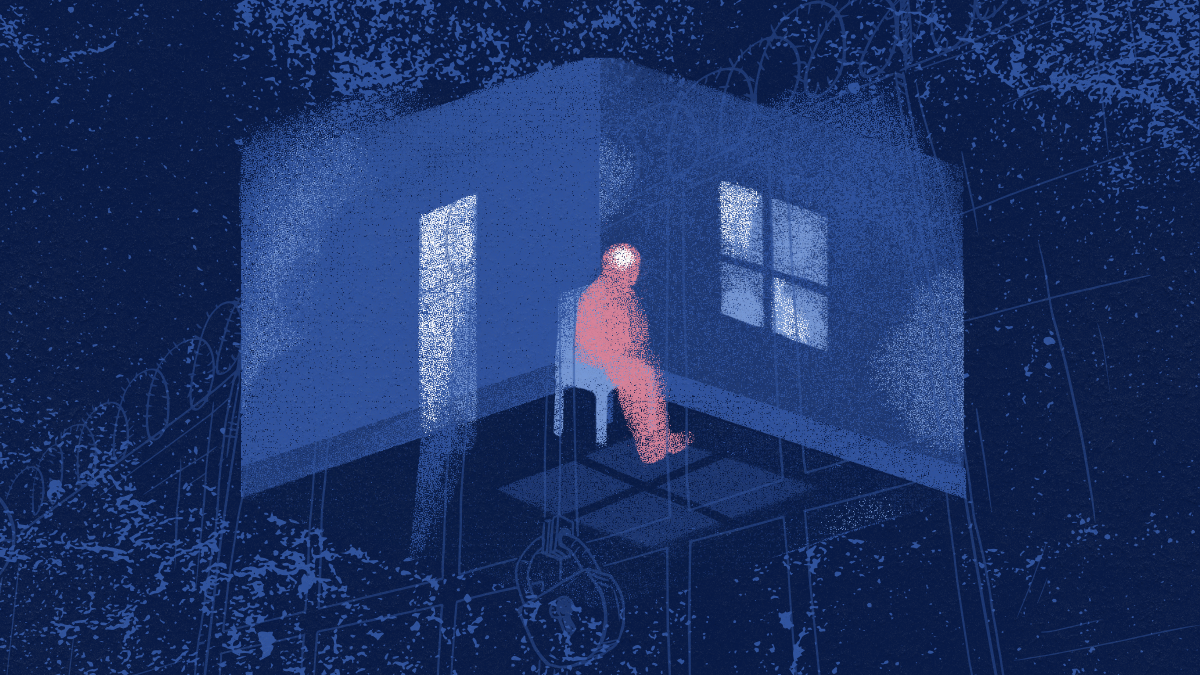
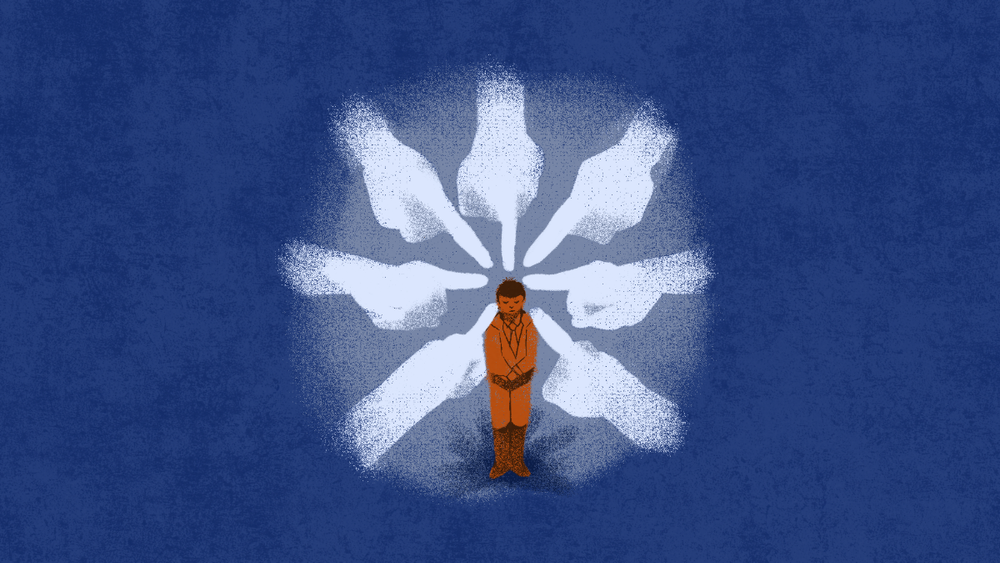
My first fight in prison came within the first day of my arrival. I didn’t even know I was in it, nor did I throw a punch. However, I found myself defending against an incessant assault from an invisible assailant with no face or motive. Little did I know it would be my greatest battle to date, next to surviving in prison—a fight I currently have no clue whether I’m winning or losing.
Before prison, I led what I considered a normal life. Upon entering the abnormal environment of prison, my instinct was to live as close to my norm as possible. I quickly learned that was virtually impossible.
Prison is the equivalent of the “upside-down” world in Stranger Things. Thus, I began my ongoing battle of retaining my sense of normalcy and sense of self—or succumbing to the altering aberrancy of prison. This is known as institutionalization, or being “insti,” as we call it in here.
Being insti exists on a spectrum. At the midlevel, it usually manifests in some sort of territorial way, like only showering in a specific shower, staking claim to communal devices like a microwave, or becoming overly upset when your routine is interrupted. Those at the severe end of the spectrum are changed by trauma and fear. I once watched someone who got released after being incarcerated for over 40 years and was unable to cross the threshold of the facility into the free world. He had such an intense panic attack that the staff had to bring him back inside and calm him down before practically holding his hand and ushering him into his new life. There’s no word on whether he was successful in his journey. I hope he was.
There’s no doubt in my mind that after being incarcerated for over 10 years, I’m insti. However, I’d like to believe that I’m closer to the lower end of the spectrum. Things like structuring my day around count times, having a hyperawareness of my surroundings and the surfaces I touch, and desensitization are just some of the basic traits of being institutionalized. These are traits I exhibit and am actively aware of, but I know didn’t exist within me at the dawn of my incarceration. How deep will my institutionalization become, and how do I fight against losing what’s left of myself?
Early on in my journey, I wondered how people reached the severe end of the spectrum and vowed never to reach the midlevel. However, I recently caught myself tiptoeing the midlevel boundary. As a part of my daily routine, I’d developed the habit of playing Madden football on the Xbox in my dorm. When others began impeding on that routine, I became agitated. I became passive aggressive, and, before I knew it, I was either dismissing those who infringed on my routine by trying to engage with me, or I’d trash talk their game. These are responses the “old” me would have never approved of.
Thankfully, I was made aware of my poor behavior by witnessing another guy react to the same situation exactly how I did. It was via this lightbulb moment that I began to reflect on that event and how I even got there. The last thing I want is to become so insti that I’m afraid to go home.
According to research by medical anthropologist Johanna Crane, “being institutionalized” is a “biopsychosocial state of anxiety that has long-term bodily and mental impacts” on incarcerated populations. Crane says it is a “slow death by imprisonment.” My reflections on my behavior ignited the desire to conduct research of my own, so I asked a small group of guys in my dorm, “What makes someone insti?” Judging by the looks on their faces, it was clear they’d never thought about it, let alone been asked the question. Their reaction gave me insight into how one becomes institutionalized in the first place: unawareness.
The conversation really got going after I shared my own story of institutionalization. Unsurprisingly, the guys had stories of their own. Most notably, there was a guy who had been so institutionalized that he not only set up his room at his mom’s house exactly like his old cell, but asked her permission to go to the bathroom for months after his release. We eventually reached a consensus that the severity of your institutionalization—and how long the effects would stay with you after you went home—depended on how long you were in prison and how intense your environment was.
Unfortunately, our conversation didn’t produce any solutions to curb institutionalization. I’m not sure there are any. At its core, institutionalization is a byproduct of survival. Oddly enough, to not become institutionalized to some degree is to go against one’s basic human instincts. I can only hope that when my bout in this arena is over, I’m not institutionalized beyond recognition or repair.
Editorial Team:
Rikki Li, Lead Editor
Carolyn Copeland, Top Editor
Stephanie Harris, Copy Editor
The Right to Write (R2W) project is an editorial initiative where Prism works with incarcerated writers to share their reporting and perspectives across our verticals and coverage areas. Learn more about R2W and how to pitch here.
Author
Olethus is a writer/poet and a native of Cleveland, Ohio, serving a 19-year sentence. He's been writing essays for the past eight years and is currently seeking his freedom while teaching himself how
Sign up for Prism newsletters.
Stay up to date with curated collection of our top stories.