San Francisco Bay Area’s Amah Mutsun Tribal Band continues fight to preserve sacred land
Members of the San Francisco Bay Area’s Amah Mutsun Tribal Band say a proposed mining project would have a devastating impact on their environment
Members and supporters of the San Francisco Bay Area’s Amah Mutsun Tribal Band are continuing their fight to protect sacred land from being turned into a mining project. Opponents of the project say it would have a devastating impact on the tribe’s culture and the environment—but recent efforts to halt it are leaving some of them hopeful.
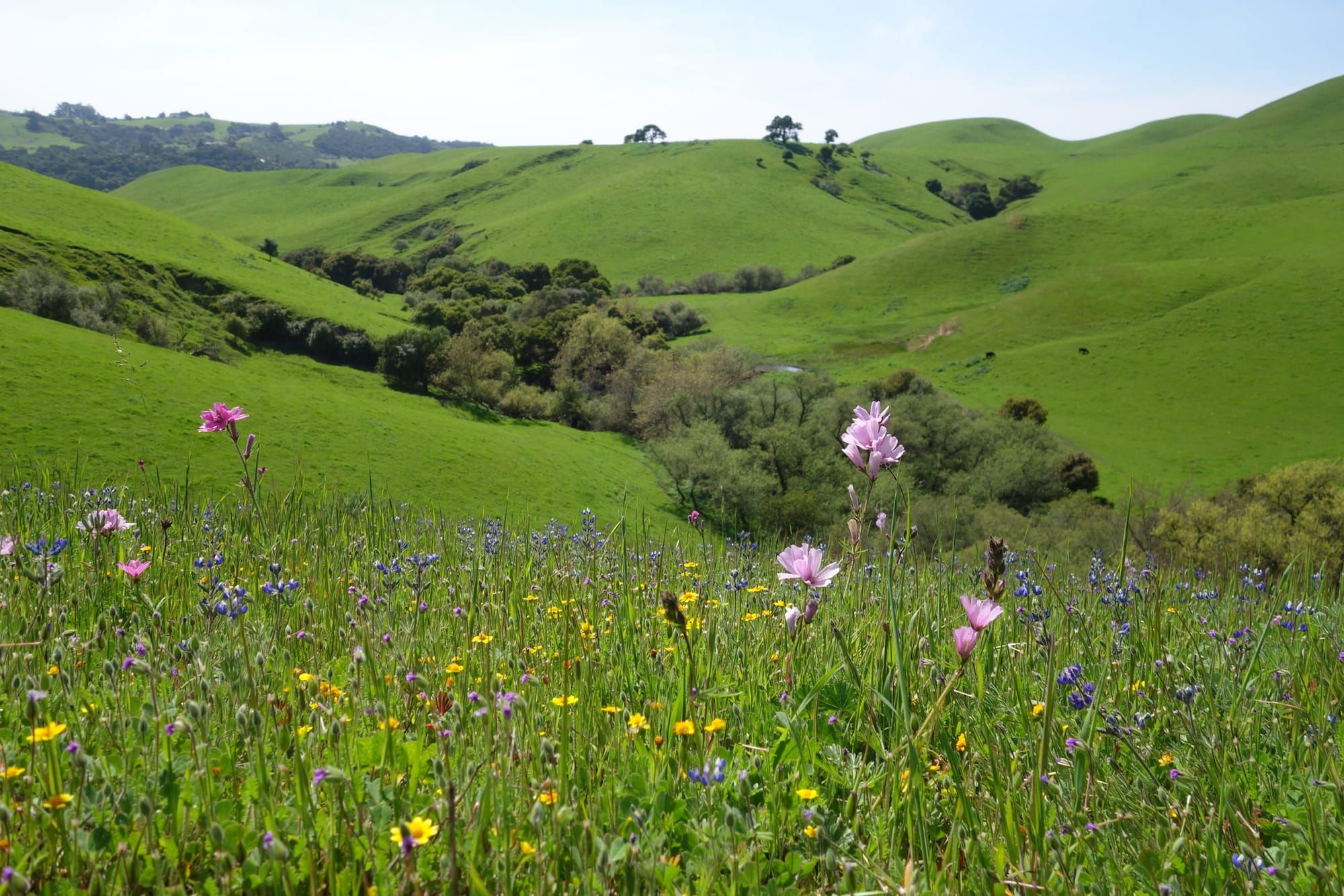
In 2013, San Diego-based Debt Acquisition Company of America purchased a majority of the Juristac land near Gilroy, California after the previous owner of Sargent Ranch LLC declared bankruptcy. In 2015, the company proposed turning the land into a 403-acre open pit sand and gravel mining project. The tribe has been stewarding and holding sacred ceremonies on this land for centuries.
“It would be a continuation of the brutal history and destruction of Amah Mutsun culture, spirituality, the environment, and people,” said Valentin Lopez, chairman of the Amah Mutsun Tribal Band since 2003 and president of the Amah Mutsun Land Trust since its inception in 2013.
The land is sacred. Juristac translates to “the place of the big head,” where the tribe held Big Head ceremonies, the most important and sacred ceremonies to the Amah Mutsun people.
“It was on these lands that our Big Head Dance was held,” said Lopez. “Juristac was also the home of our spiritual leader, Kuksui.”
Lopez has compared the proposed mining project to tearing down Jerusalem. Eventually, he hopes the land can come back to the tribe, which their trust would then work to restore.
“We wish to restore ceremony on these lands and invite other tribes to participate as well,” he said. “We would like there to be an education component where we teach traditional native land stewardship, and that there would be a place to educate the public about the true history of the Amah Mutsun.”
However, Lopez’s vision poses some challenges, as the tribe currently does not have federal recognition, which can limit the legal rights and government benefits they may receive to help them reclaim the land.
Public support
In support of the tribal band, more than 20,000 people have signed a petition calling for the Santa Clara County Board of Supervisors to reject the mining proposal.
“There have been huge shows of support for our rallies and in-person events,” Lopez said. The Amah Mutsun Tribal Band has also received letters of support from faculty at the University of California Santa Cruz and the California Indian Environmental Alliance, among many others.
Six cities, including five out of the 15 within Santa Clara County, have passed resolutions to protect Juristac and reject the mining proposal.
The draft version of an Environmental Impact Report (EIR) for the project released in July 2022 echoes the devastating environmental effects of the proposal. The report found 14 separate significant and unavoidable impacts from the mine.
For one, it would destroy about 33 acres of live oak woodland. It would also threaten the livelihood of federally listed threatened species as the proposed mine is located directly across from the Santa Cruz Mountains, which ecologists say is a “wildlife movement corridor.” In other words, it’s the habitat that species like mountain lions depend on to find new territory and mates. According to Green Foothills’ policy and advocacy director Alice Kaufman, if the mine and quarry are built, the mountain lion population would falter from inbreeding and genetic instability. In addition to working on protecting land and natural resources in San Mateo and Santa Clara counties, Green Foothills supports and partners with the Amah Mutsun Tribal Band to prevent the destruction of Juristac.
The state of California is considering putting the local mountain lion population in parts of California on the endangered species list, due in part to threats created by projects like the Sargent Ranch mine. The mine would also destroy habitats for other sensitive species—like California red-legged frogs and California tiger salamanders—by pumping groundwater and depleting local rivers and streams. According to Kaufman, the Sargent Ranch mine project would also dig three giant pits, hundreds of feet deep, in the rolling hills of Juristac, pump about 86,000 gallons of groundwater per day, and put hundreds of greenhouse gas-emitting trucks on the road each day. With activities like these causing irreversible, long-term adverse effects on both the environment and cultural practices of the tribe, the draft EIR mentioned no reclamation activities would be able to “restore the [land] to a condition that reflects its cultural significance.”
Under the California Environmental Quality Act, the public can submit comments on EIRs that the agency must review and acknowledge. By the end of 2022, more than 7,500 people had submitted opposing comments on the mining project.
“We were happy to see that issues regarding hydrology, earthquakes, air quality, water quality, and traffic studies were stated in the EIR as being significant issues that the county will have to wrestle with,” Lopez said.
According to Kaufman, because Santa Clara County must now respond to each of those comments, it will be a while longer before the process moves on to the next step, which is for the County Planning Commission to vote on whether or not to approve the permit for the Sargent Ranch mine. That decision may then be appealed to the county Board of Supervisors, which has the final say. This kind of outpouring public response sends a “strong statement of support for protecting Juristac and of opposition to the Sargent Ranch quarry,” she said.
Until then, the Amah Mutsun Tribal Band will continue to collect petition signatures, encourage cities to pass resolutions of support, and work with local student groups like those at nearby San Jose State University to pass a resolution from the institution. They’re also arranging various events in the region while awaiting the response to the thousands of comments received for the draft EIR.
Kaufman hopes the county “will do the right thing” by denying the permit for the quarry, though there is still a chance that the plan is pushed through. For that to happen, the Board of Supervisors would have to find “overriding considerations,” or, in other words, reasons to bypass the environmental harms outlined in the EIR.
“There are no such overriding considerations, and therefore the County should, and hopefully will, reject the project,” said Kaufman.
Author

Sakshi Udavant is a freelance journalist and content writer with an academic background in psychology. She covers social issues, technology, mental health, and well-being for titles like Business Insi
Sign up for Prism newsletters.
Stay up to date with curated collection of our top stories.