Al-Baqa Cafe massacre: Shattered dreams and Israel’s destruction of a haven for Gaza’s Palestinians
The lives ended in Israel’s attack on a beloved seaside cafe in Gaza
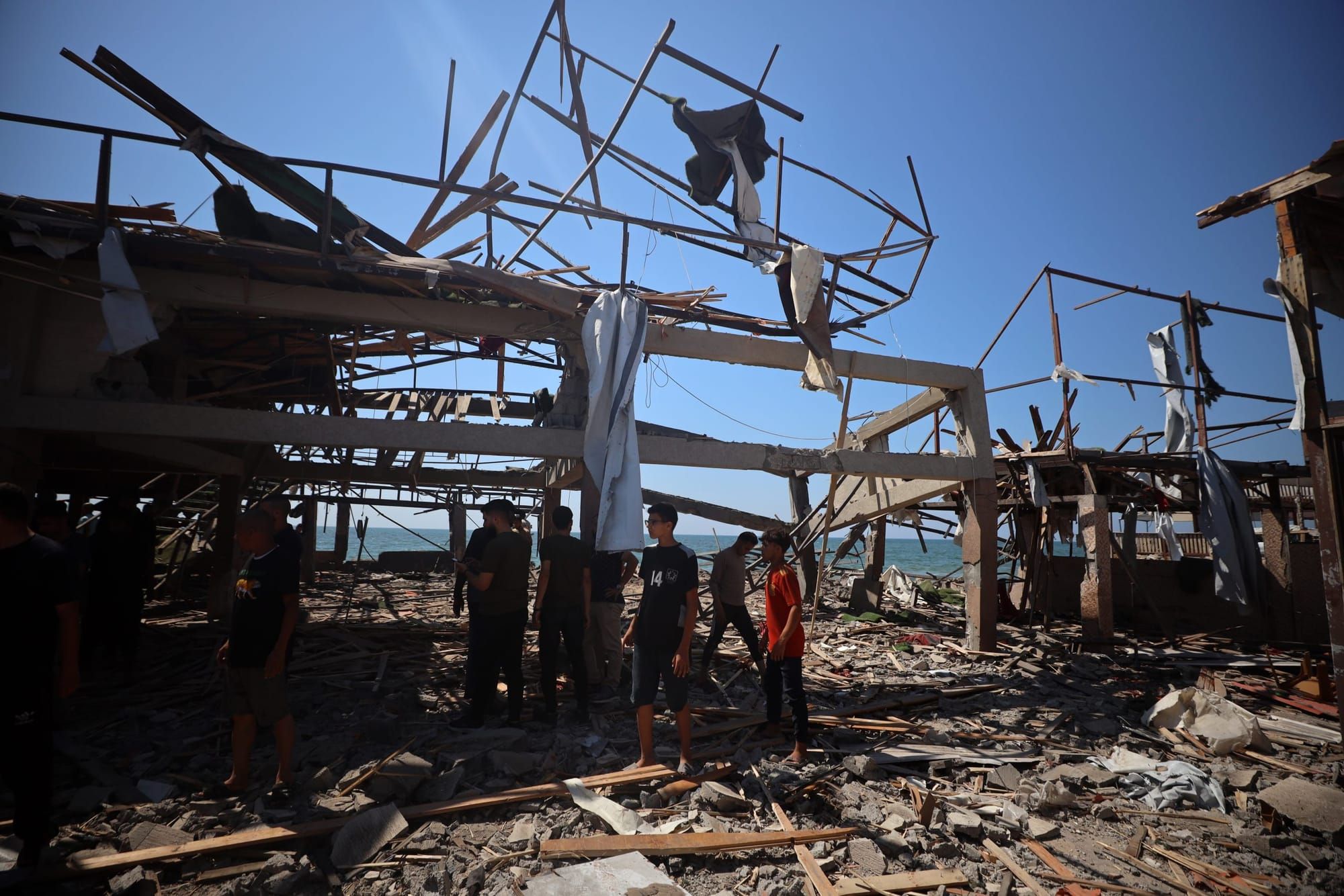
In the north of Gaza City, Palestinians frequented Al-Baqa Cafe for more than just coffee, tea, and snacks. The seaside cafe was a refuge from the sweltering heat, a place to explore ideas, and, by offering internet access, a bridge to the world beyond Gaza’s besieged walls.
On June 30, families, creatives, and students alike gathered at the cafe in hopes of finding a moment of relief amid the genocide. At about 3 p.m., an Israeli airstrike targeted Al-Baqa, killing at least 41 people and injuring 75, reported the director of Al-Shifa hospital, Dr. Mohammad Abu Silmiya.
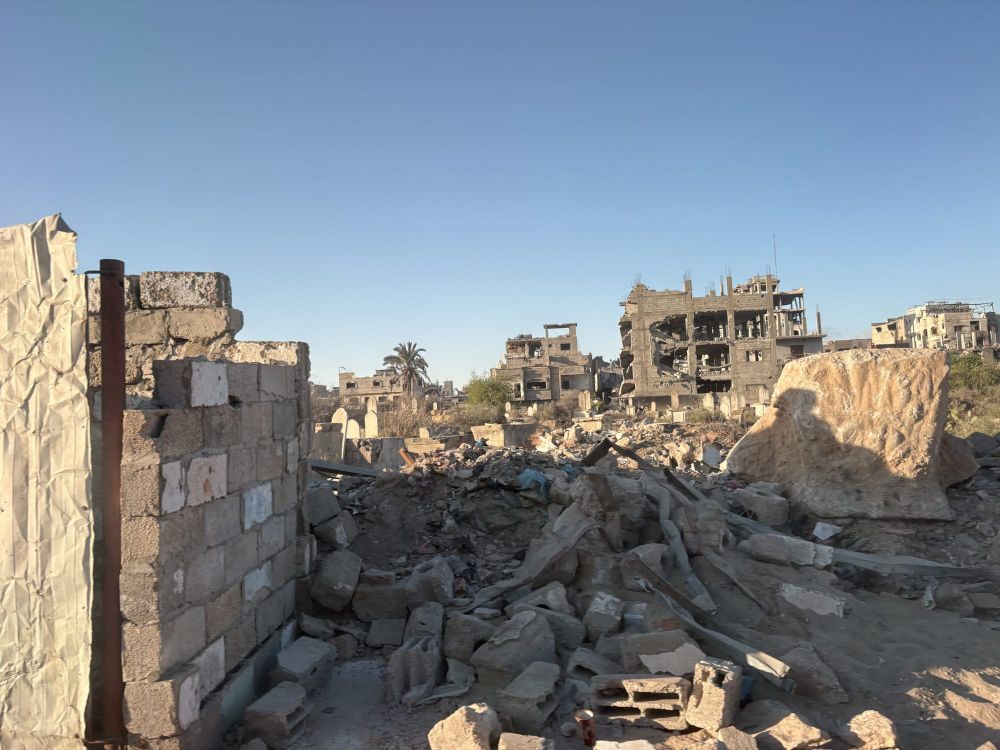
The 500-pound, U.S.-made bomb dropped without warning and left a massive crater where the bustling cafe once stood. Eyewitnesses described the scene as absolute carnage. Bodies were found torn apart atop shattered glass and concrete, the floor drenched in blood. Among those killed were attendees of a child’s birthday party, cafe employees, and multiple students.
After the attack, many of the deceased and wounded were pulled from underneath the rubble and transported to Al-Shifa using donkey carts and tractors, due to the severe lack of ambulances and medical vehicles.
Witnesses recalled that the courtyard of the hospital was inundated with the deceased and injured, with more arriving by the minute. The Al-Baqa Cafe bombing was just one of the attacks that occurred on that Monday. Throughout the day, multiple massacres took place, killing at least 95 Palestinians. Around 62 of the victims of Monday’s attacks were in the vicinity of Al-Baqa, reported Al Jazeera.
Weeks after the bombing, Palestinians remain shaken by the brazen attack on a cherished gathering space. The family-run cafe was established 20 years ago and had reopened to customers earlier this year after a period of closure. It served a purpose greater than an average cafe. Al-Baqa was one of the last remaining spots in the Gaza Strip that offered electricity and internet, basic necessities turned to luxuries after the ongoing obliteration of Gaza.
It’s important to note that it is not a loss but rather a deliberate targeting of any and all places where the people of Gaza can escape to.
Yasir Tineh, Documenting palestine co-founder
“It’s important to note that it is not a loss but rather a deliberate targeting of any and all places where the people of Gaza can escape to,” said Yasir Tineh, a Palestinian writer based in Kuwait and co-founder of Documenting Palestine, a project aimed at exploring Palestinian identity.
The eatery was a haven for the people of Gaza, nestled by the western coast of the Mediterranean Sea. The cafe’s manager said its purpose was to “provide for the residents of Gaza to vent and for those seeking education and don’t have electricity and internet.”
That is exactly what it became: a hub for remote workers, students, journalists, and creatives to meet and feel human again. It was a place that sustained society, art, and culture during a genocide.
“This is part of Israeli terrorism, to target all sustenance that is essential to any resemblance of life. The goal is to turn the existence of Gazans into hell,” Tineh told Prism over email.The shock that pulsated through Gaza after the bombing was not solely because of the fond memories associated with Al-Baqa. It also came from the adoration for people whose lives were tragically cut short by the Israeli military.
The martyrs from the attack were bright souls who had complex lives, hopes, and dreams.
Among the casualties was 34-year-old Ismail Abu Hatab, a prominent Palestinian photojournalist and filmmaker. Abu Hatab dedicated his entire career to Gaza, offering his audience rare insight into life in the besieged Strip. Although injured at the beginning of the genocide, he never faltered from his goal, writing that his “resolve remains unbroken.”
Abu Hatab was the 227th media worker killed in the Gaza genocide. Since Israel’s onslaught began, Palestine has been named the world’s most dangerous place for journalists.
“The deliberate targeting of journalists only further proves that this is about silencing the truth and what’s really happening on the ground. It’s about erasing proof and history, and ultimately, erasing Palestinians,” said Mohammed Ahmad, a Palestinian American journalist, actor, and co-creator of Poets for Palestine, in an email.
Also present at the cafe was 36-year-old visual artist, Frans (Amna) Al-Salmi. After obtaining a degree in fine arts and photography from Al-Aqsa University, Al-Salmi had hopes of moving abroad and furthering her career as an artist.
Throughout the genocide, Al-Salmi volunteered and worked with multiple charitable and cultural organizations, where she led workshops and events for children to help them cope with the surrounding conflict, according to The Art Newspaper. Al-Salmi’s mother remembers her daughter as a gifted and loving person, describing her as an “angel” who showered everyone with kindness.
Local footballer Mustafa Abu Amira was another person whose life was robbed by Israel. Abu Amira played in multiple local leagues and was gaining attention from clubs outside of Gaza. When he was not playing, he volunteered with the youth and helped train Gaza’s children, according to Palestine Chronicle. Abu Amira, like many others in Gaza, used his passion to provide his community with an outlet during unimaginably difficult times.
Another athlete, 21-year-old Malak Musleh, was also killed in the Al-Baqa massacre just days before her wedding, her father confirmed in an interview with Sahat. She was Gaza’s youngest female boxer and often spoke out about the challenges that came with being a woman in sports.
Musleh’s dream was to represent Palestine on the world stage. Once the genocide began, the young athlete spent her time volunteering in charitable organizations, trying to ease the hardships in her community.
The stories of these martyrs demonstrate just a small fragment of the rich culture, life, and aspirations of the people of Gaza. Gaza is not a desolate strip of land destined for pain, anguish, and suffering. Israel continues to rob Palestinians of their basic humanity.
“Every single Palestinian murdered by Israel is a tragedy and a heavy loss, every single one had dreams and ambitions, and a full life,” said Ahmad. “It is necessary to share the stories of our martyrs because the more we remember their names, the more we humanize our people.”
“Storytelling becomes an act of resistance and our martyrs live on,” he said, “not just in our memories, but also in the ongoing fight for a free Palestine.”
Editorial Team:
Sahar Fatima, Lead Editor
Lara Witt, Top Editor
Rashmee Kumar, Copy Editor
Author

Asma Barakat is a Palestinian freelance writer based in the U.S. Her focus is on Palestine, primarily the genocide in Gaza.
Sign up for Prism newsletters.
Stay up to date with curated collection of our top stories.