Abortion Rights in a Post-Roe World
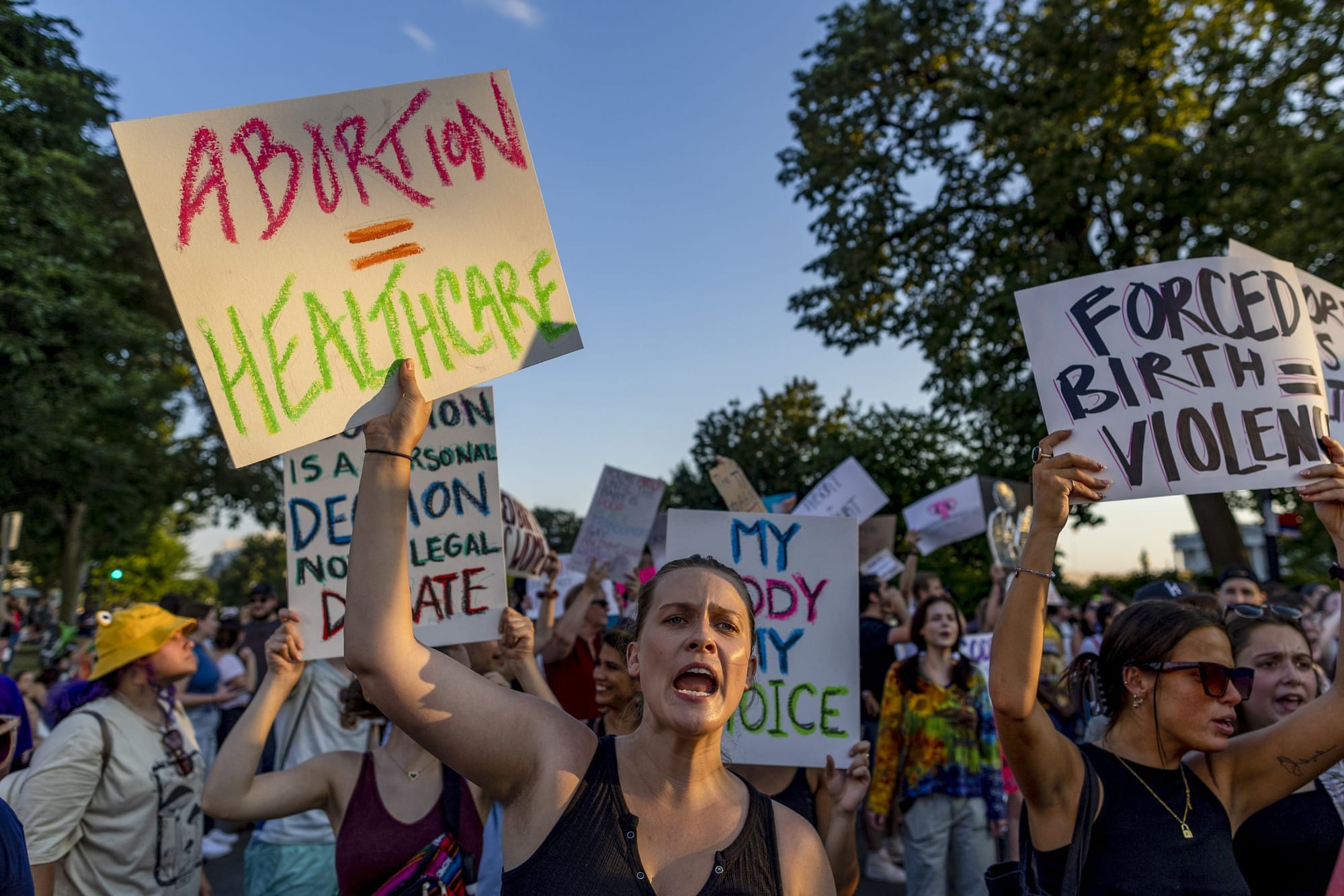
On June 24, 2022, the Supreme Court overturned Roe v. Wade and the right to abortion. Fifty years of abortion rights down the drain. But was it really?
We can’t ignore the tension that is often missing in how we report on Roe. Yes—the Constitutional right to abortion gave people a powerful tool for freedom. But Roe was also the floor, built on a shaky legal foundation and so easily overridden that sizable swaths of the country—namely in the South and the Midwest—only had a theoretical freedom.
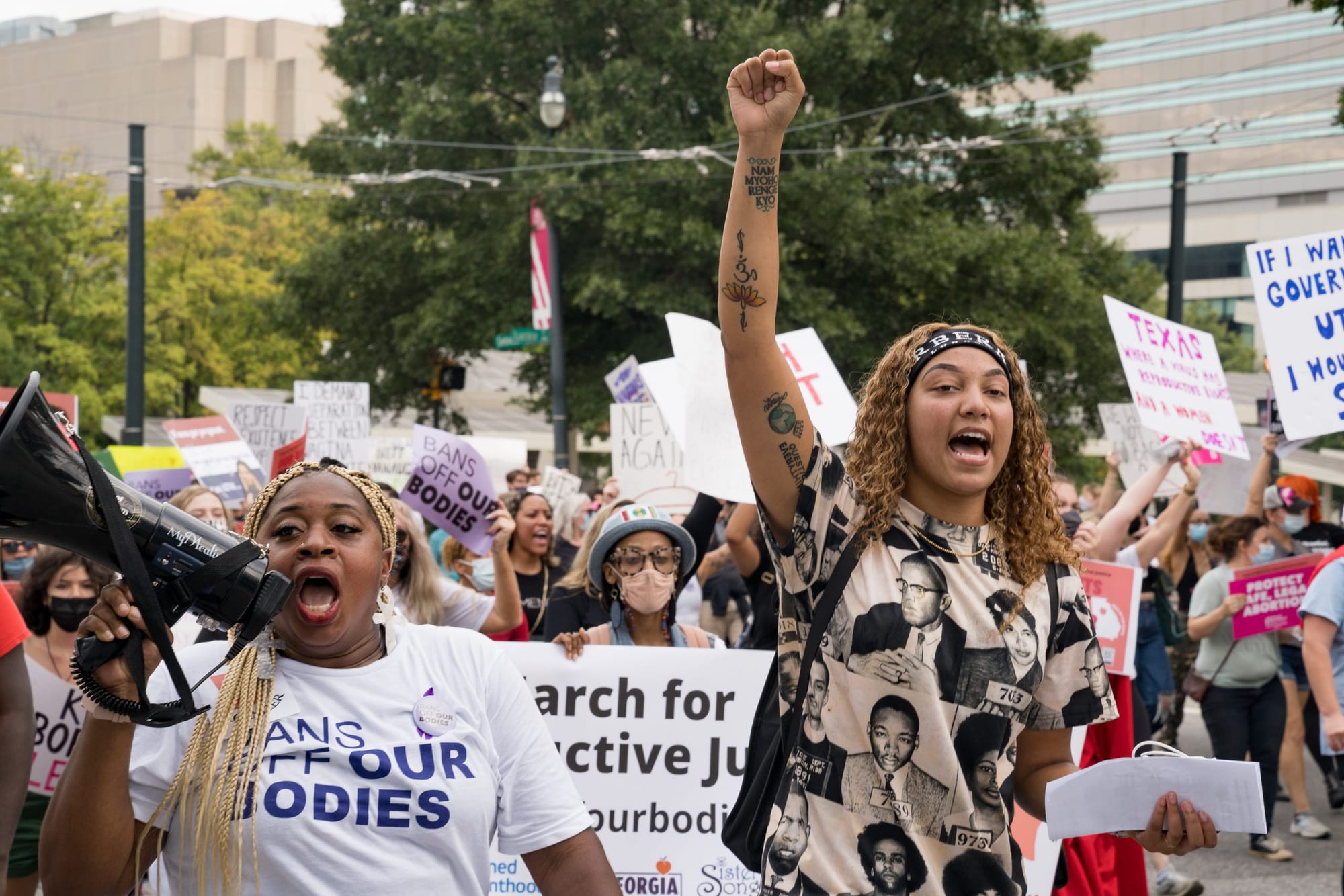
While experts in the abortion rights movement are navigating the post-Roe hellscape differently, there are essential understandings to take from their honesty and their commitment to continue fighting.
Here’s your guide on the state of abortion rights and the reproductive justice, health, and rights movement in a post-Roe landscape.
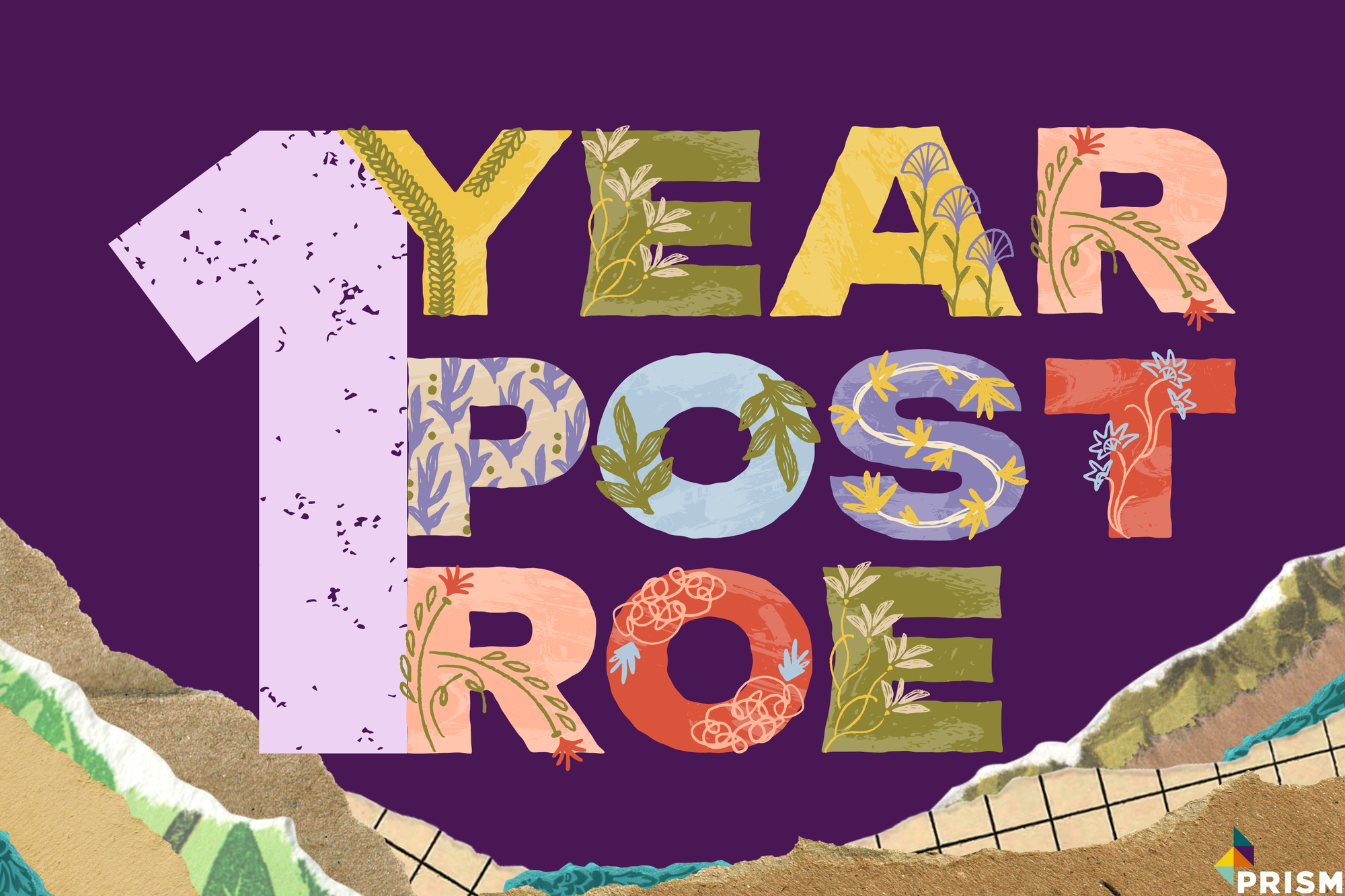
One year post-Roe is an as-told-to series led by Prism’s Editor-at-Large Tina Vásquez, marking the milestone by featuring new and veteran advocates and organizers, abortion storytellers, providers, clinic directors, abortion fund volunteers, and reproductive justice organizers.
One year later
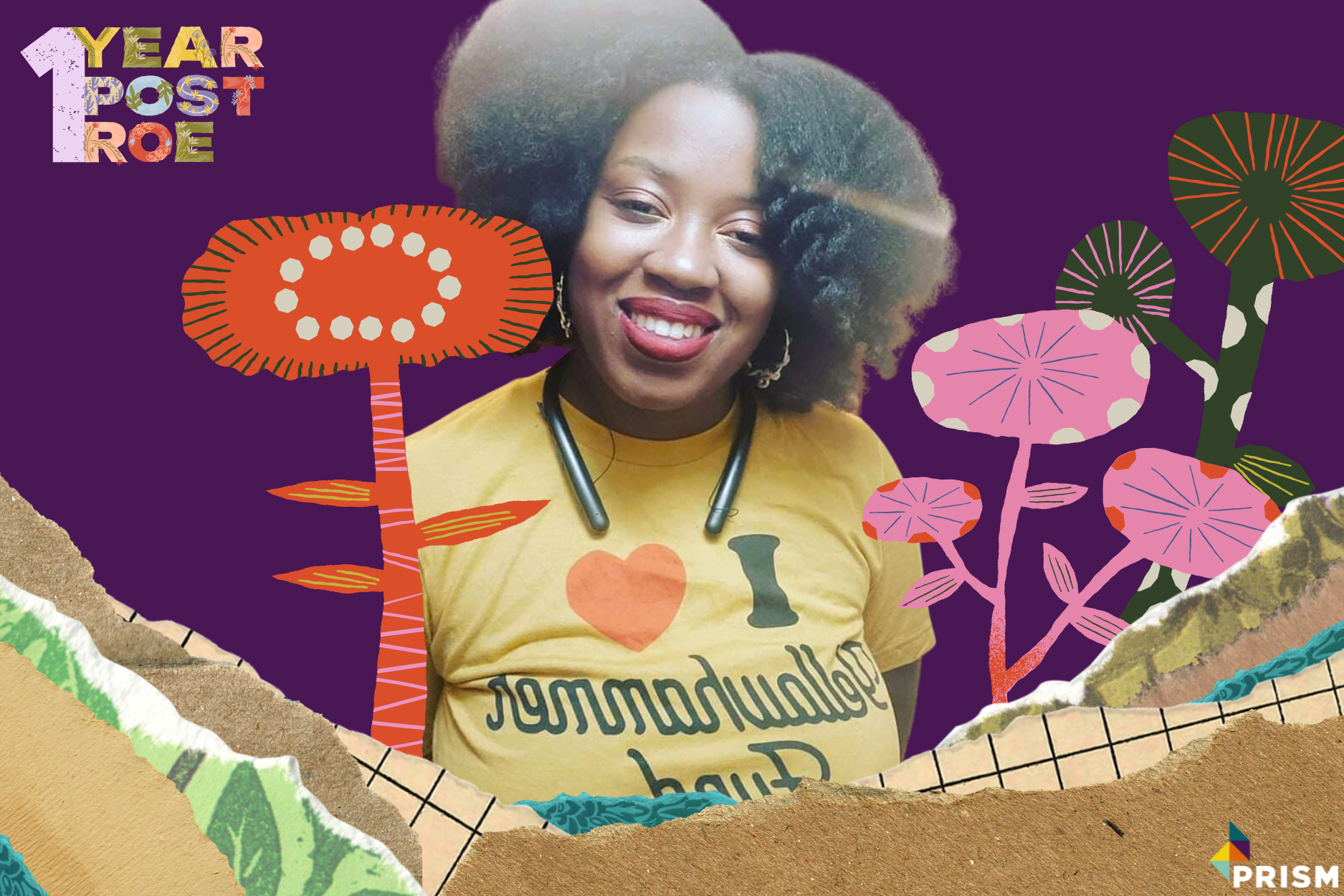
‘People treat us like the throwaway state’
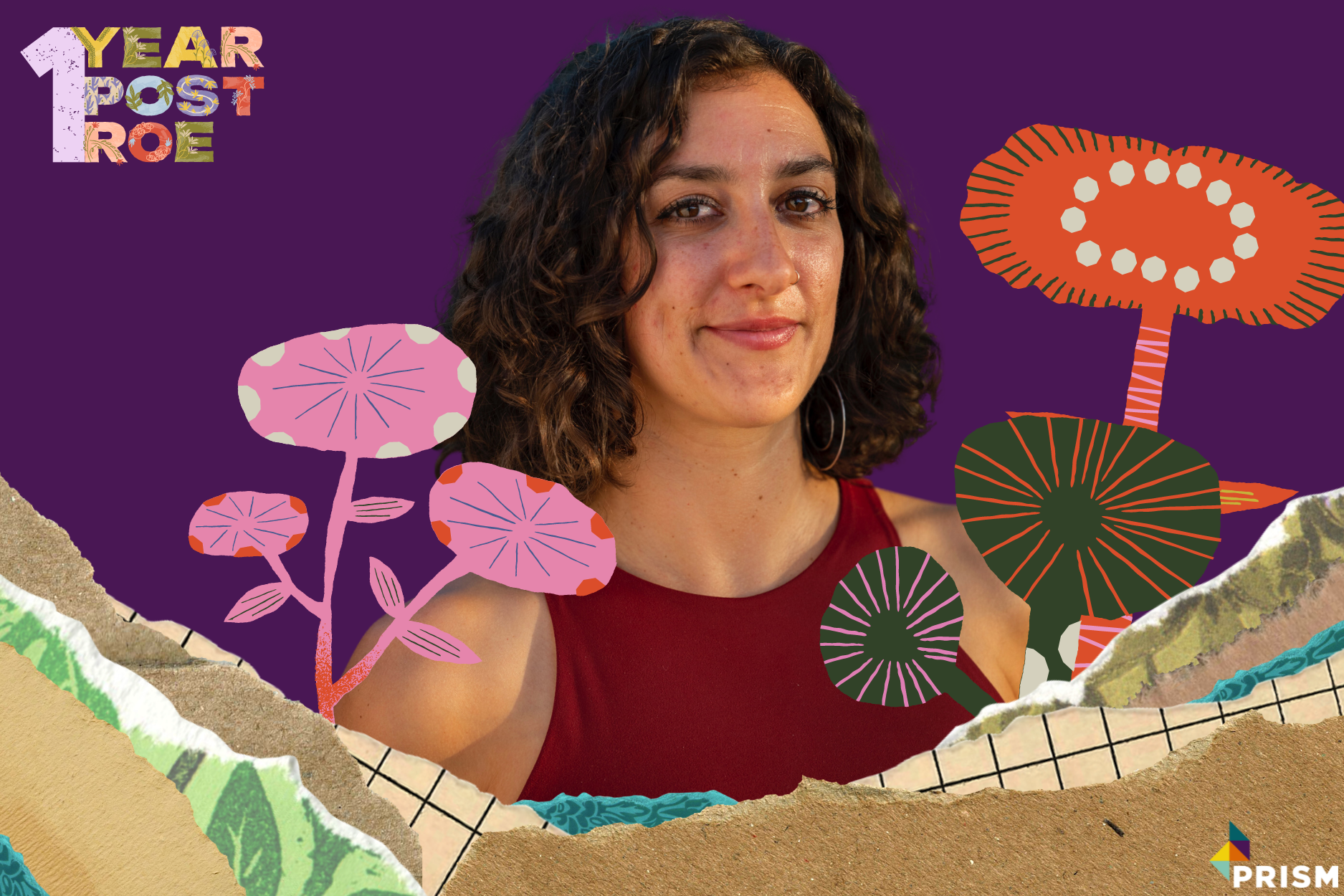
‘Teens are the most marginalized group when it comes to abortion care’
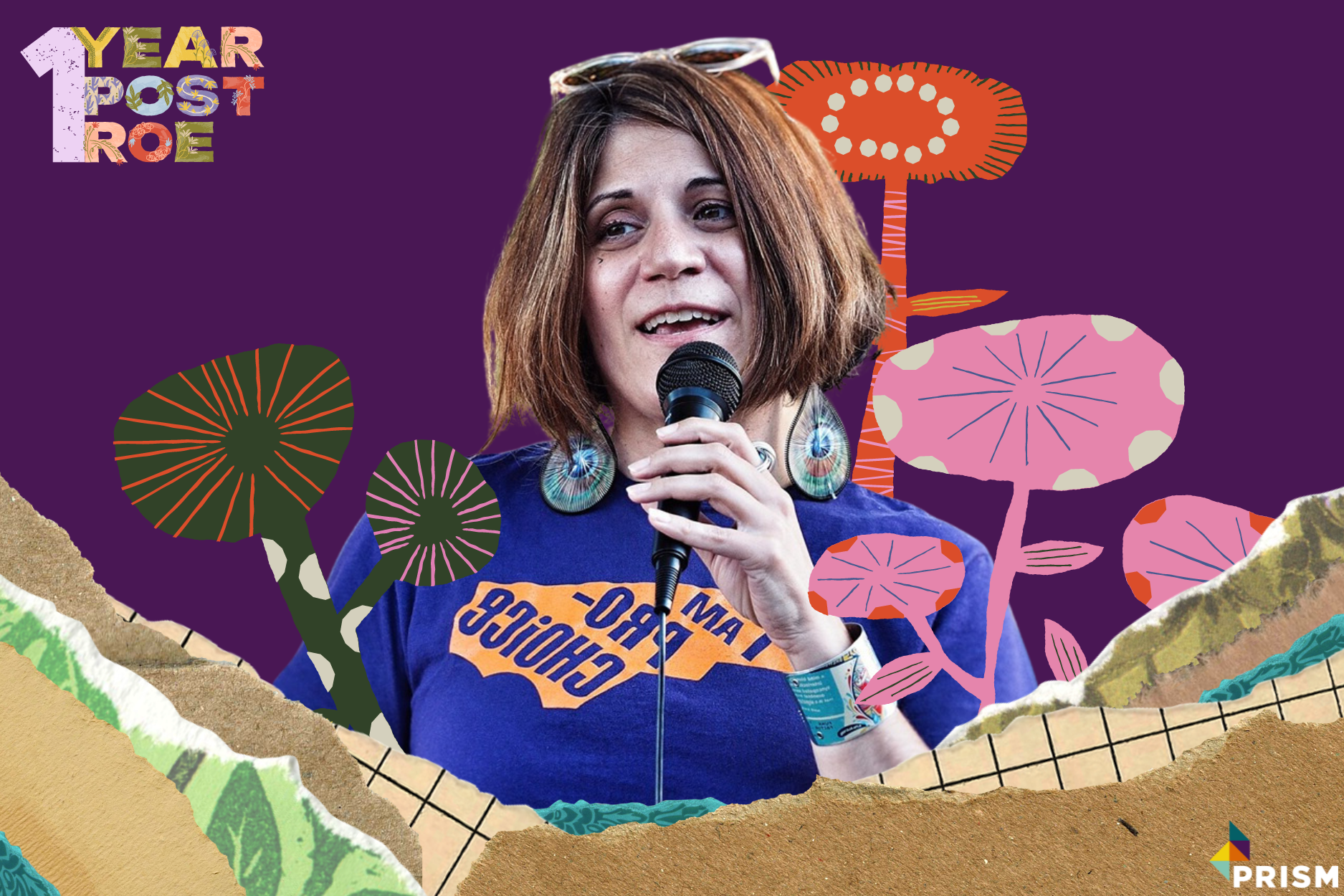
‘Abortion access in North Carolina has always been precarious’
Something went wrong. Please refresh the page and/or try again.
Abortion Rights
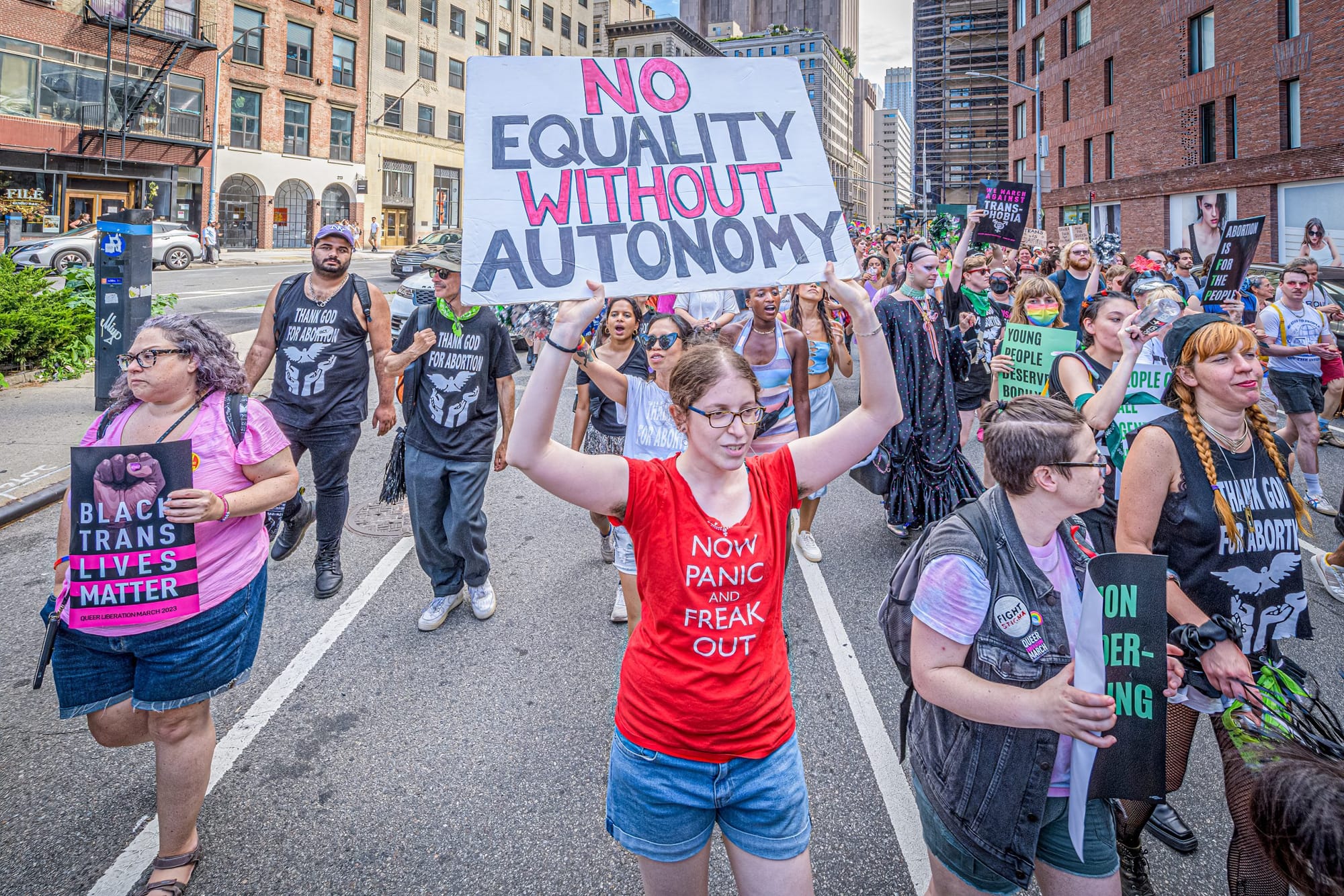
Post-Dobbs, abortion and trans rights converge in the fight for bodily autonomy
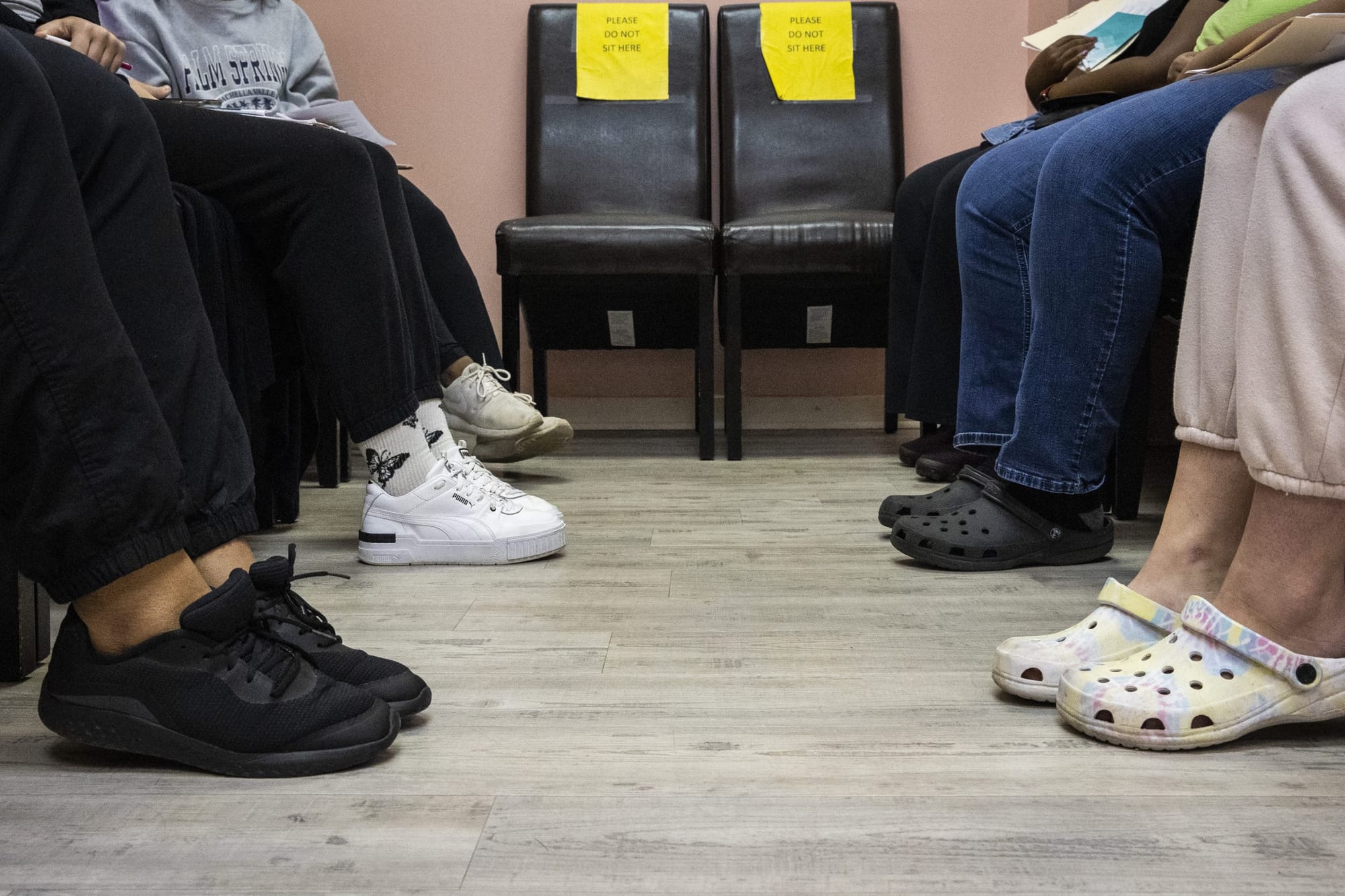
Three years after Dobbs, abortion hasn’t ended—it’s moved across state lines
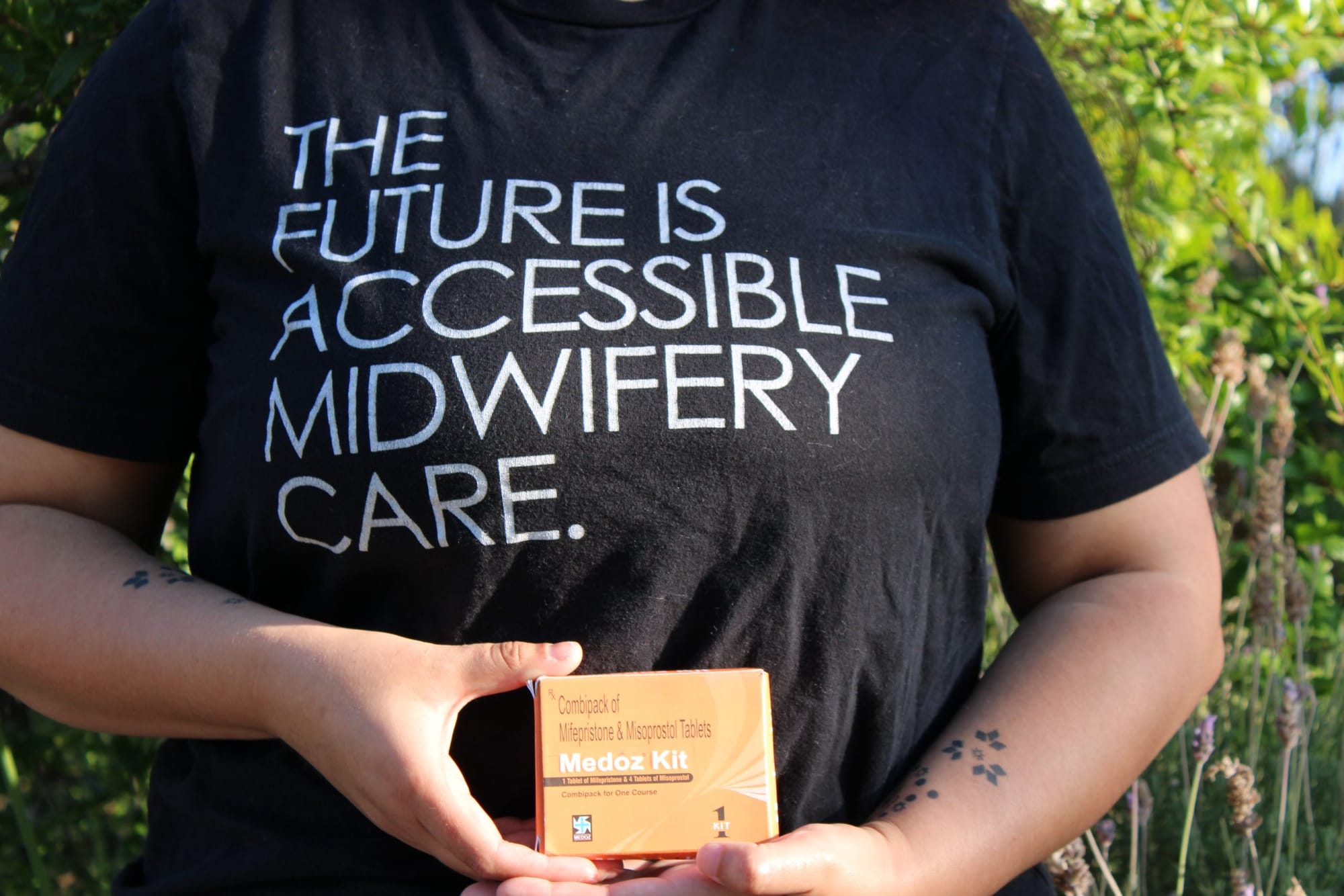
Three years post-Roe, midwives are targets of criminalization
Something went wrong. Please refresh the page and/or try again.
Reproductive Health, Justice, & Rights Movement
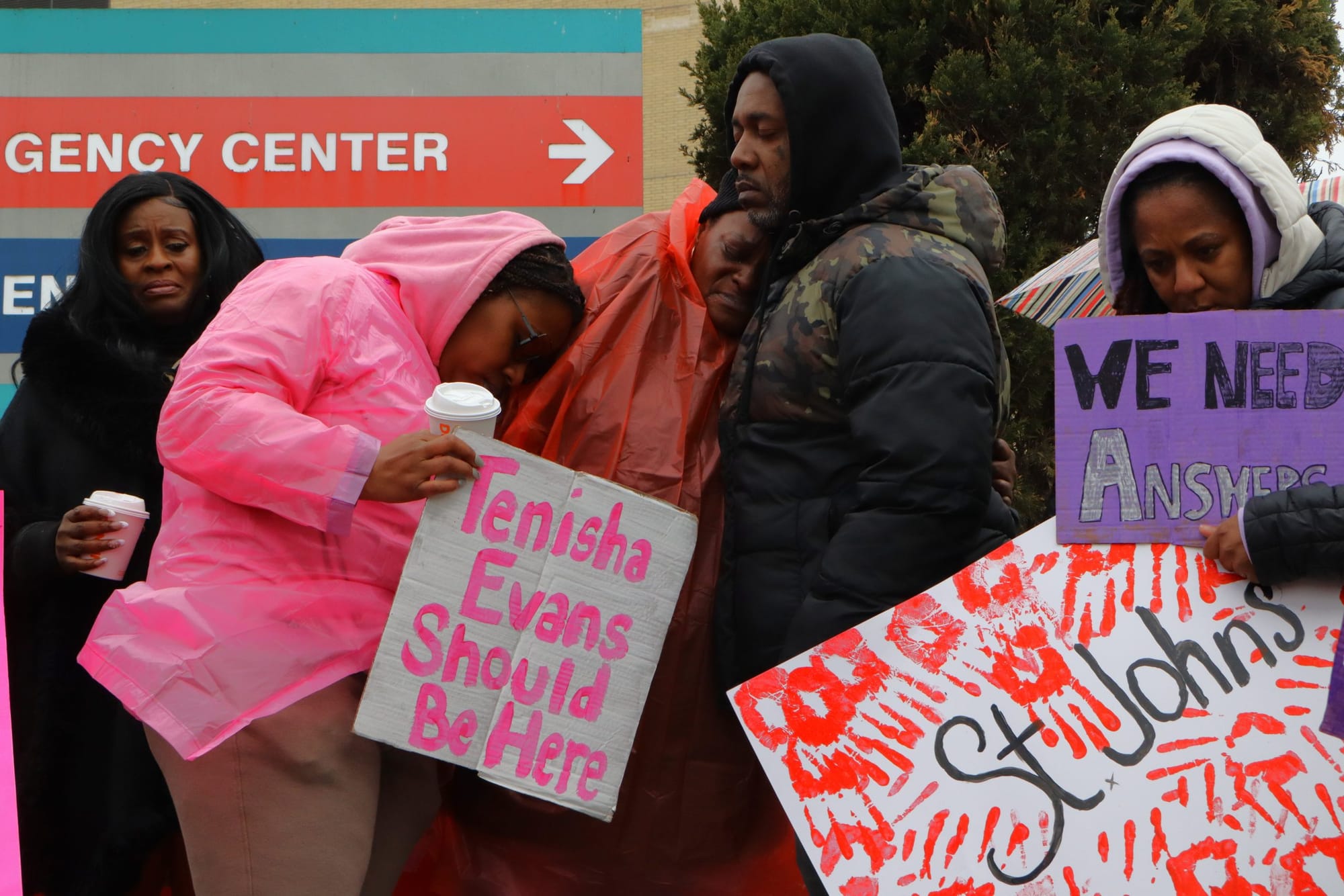
Who shows up when Black women die during childbirth?
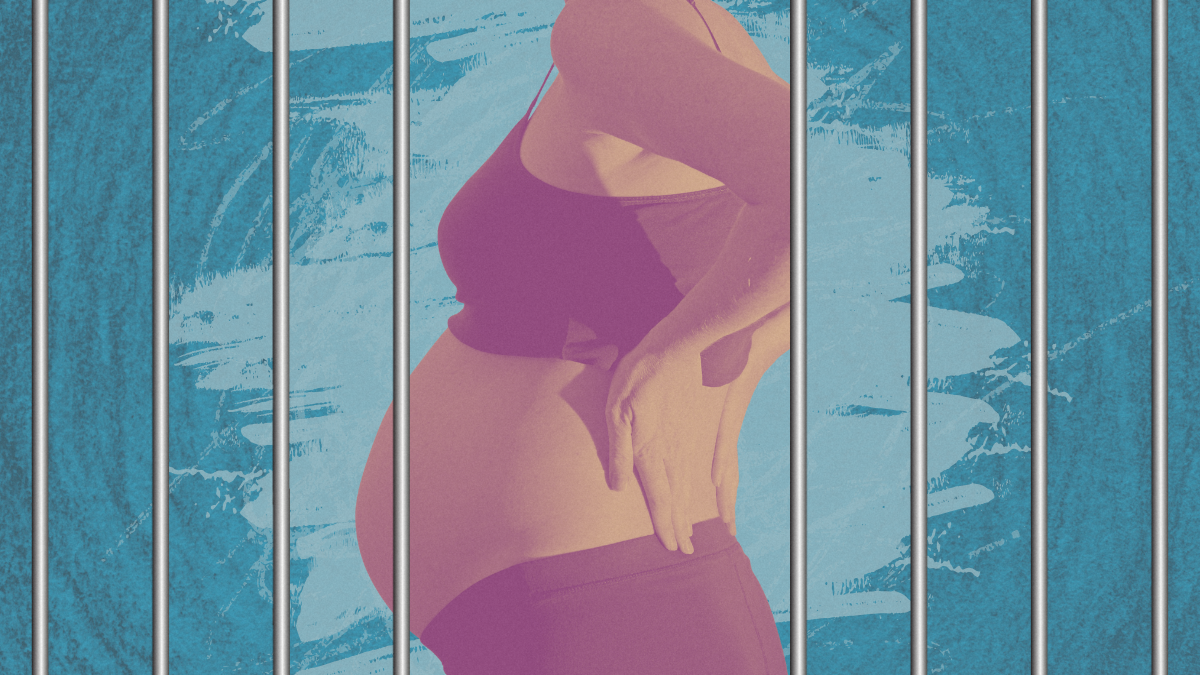
What it’s like to be pregnant in jail

EXCLUSIVE: Is the ‘tech bro-ification’ of abortion here?
Something went wrong. Please refresh the page and/or try again.